


Hey there, folks! I'm a supplier of mobile drainage pumps, and I've seen firsthand how crucial these pumps are in various situations, from flood control to construction site dewatering. Today, I want to talk about the installation requirements for a mobile drainage pump. Whether you're a contractor, a municipality, or just someone dealing with excess water, understanding these requirements is key to getting the most out of your pump.
Site Assessment
First things first, you need to assess the site where the mobile drainage pump will be installed. This is super important because it helps you figure out if the location is suitable and what potential challenges you might face.
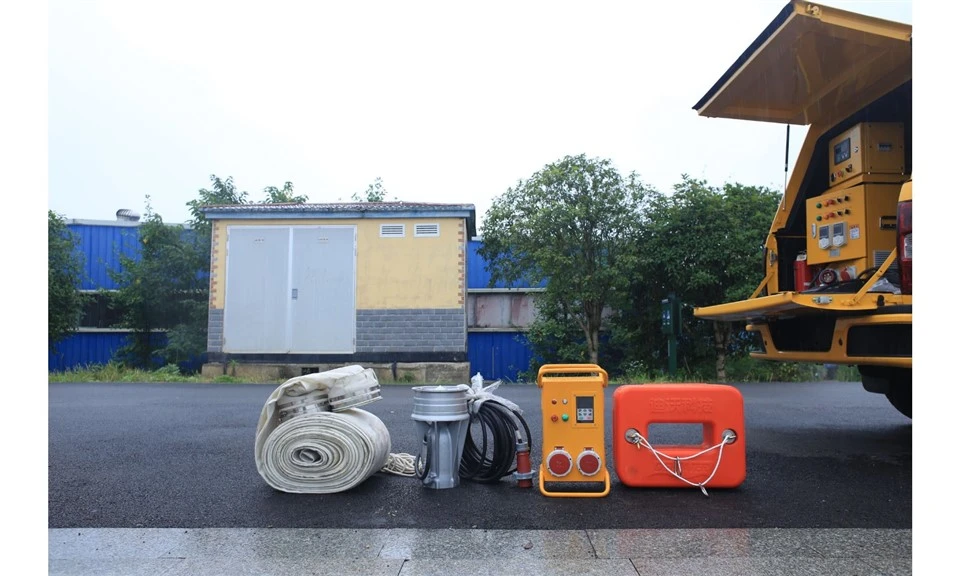
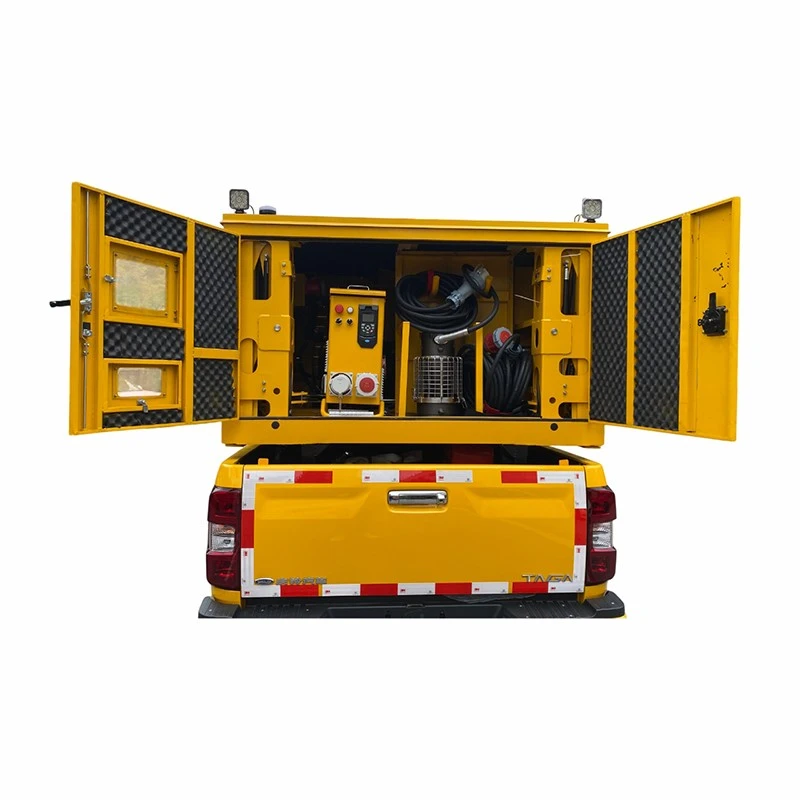
- Ground Conditions: The ground where the pump will sit needs to be stable and level. If it's uneven, the pump might vibrate excessively, which can lead to premature wear and tear or even damage. For example, if you're setting up a Trailer Mounted Drainage Pump on a construction site with loose soil, you might need to compact the ground or use a base plate to provide a stable foundation.
- Accessibility: You should have easy access to the pump for installation, operation, and maintenance. Make sure there's enough space around the pump so that you can connect hoses, check the controls, and perform any necessary repairs. Also, consider the access for fuel delivery if it's a diesel-powered pump.
- Proximity to Water Source: The pump needs to be close enough to the water source to ensure efficient suction. However, you also need to make sure it's not too close to avoid getting flooded itself. For instance, when using a Diesel Flood Control Pump during a flood, you need to position it at a safe distance from the rising water while still being able to reach the water with the suction hose.
Power Requirements
The power source for your mobile drainage pump is another critical factor. Different pumps have different power needs, and you need to make sure you can meet those requirements.
- Electric Pumps: If you're using an electric pump, you need to have a reliable power supply. Check the voltage and amperage requirements of the pump and make sure your electrical system can handle it. You might need to use a dedicated circuit or a generator if there's no access to the grid. Also, make sure all electrical connections are properly insulated and grounded to prevent electrical hazards.
- Diesel Pumps: Diesel pumps are popular because they offer more mobility and can operate in remote locations. However, you need to have a sufficient supply of diesel fuel. Make sure you have a storage tank or a way to refuel the pump regularly. Also, pay attention to the exhaust emissions. The pump should be installed in a well-ventilated area to prevent the buildup of harmful gases.
Hose and Pipe Installation
The hoses and pipes used to connect the pump to the water source and the discharge point are just as important as the pump itself.
- Suction Hose: The suction hose needs to be the right size and length for the pump. A hose that's too small or too long can reduce the pump's efficiency. Make sure the hose is free of kinks and blockages, and that it's properly connected to the pump. You might also need to use a strainer at the end of the suction hose to prevent debris from entering the pump and causing damage.
- Discharge Pipe: The discharge pipe should be large enough to handle the flow rate of the pump. It also needs to be properly supported to prevent sagging or damage. You might need to use elbows and couplings to direct the flow of water to the desired location. Make sure the discharge point is far enough away from the water source to prevent the water from flowing back into the suction area.
Safety Considerations
Safety should always be your top priority when installing a mobile drainage pump.
- Emergency Stop Button: Make sure the pump has an easily accessible emergency stop button. In case of an emergency, you should be able to quickly shut off the pump to prevent accidents.
- Guards and Covers: All moving parts of the pump, such as the engine and the impeller, should be protected by guards and covers. This helps prevent injuries from contact with these parts.
- Warning Signs: Place warning signs around the pump to alert people of potential hazards. Signs should indicate the presence of moving parts, electrical hazards, and high-pressure water.
Maintenance and Monitoring
Once the pump is installed, you need to have a plan for maintenance and monitoring.
- Regular Inspections: Conduct regular inspections of the pump, hoses, and pipes. Check for any signs of wear, leaks, or damage. Replace any worn or damaged parts immediately to prevent further problems.
- Lubrication and Filter Changes: Follow the manufacturer's recommendations for lubrication and filter changes. Proper lubrication helps keep the pump running smoothly, and clean filters ensure efficient operation.
- Monitoring Performance: Monitor the pump's performance regularly. Check the flow rate, pressure, and power consumption. If you notice any changes in these parameters, it could indicate a problem with the pump.
Government and Regulatory Requirements
When installing a mobile drainage pump, you also need to comply with government and regulatory requirements.
- Permits: In some areas, you might need to obtain a permit before installing a drainage pump. Check with your local authorities to see what permits are required and how to apply for them.
- Environmental Regulations: Make sure you comply with all environmental regulations. For example, if you're discharging water into a natural water body, you need to ensure that the water quality meets the required standards. You might need to treat the water before discharging it.
Conclusion
So, there you have it, folks! These are the main installation requirements for a mobile drainage pump. By following these guidelines, you can ensure that your pump is installed correctly, operates efficiently, and lasts for a long time.
If you're in the market for a mobile drainage pump, whether it's a Diesel Flood Control Pump, a Trailer Mounted Drainage Pump, or a Government Emergency Flood Control Pump, I'd love to help you find the right one for your needs. Just reach out, and we can start a conversation about your specific requirements.
References
- Manufacturer's installation and operation manuals for mobile drainage pumps.
- Local government regulations and guidelines for pump installation and water discharge.
- Industry best practices for pump installation and maintenance.