


When it comes to fish farms, maintaining the right water conditions is crucial for the health and growth of fish. A mobile flooding pump can be an invaluable tool in this regard, helping to manage water levels, circulation, and quality. As a supplier of mobile flooding pumps, I have seen firsthand the importance of making informed decisions when using these pumps in fish farms. In this blog post, I will discuss some key considerations that fish farmers should keep in mind when using a mobile flooding pump.
Water Quality
One of the primary considerations when using a mobile flooding pump in a fish farm is water quality. The pump should be capable of handling the specific characteristics of the water in the farm, including its temperature, pH level, and the presence of any contaminants. For example, if the water in the fish farm has a high level of sediment or debris, a pump with a large intake strainer or a self - cleaning mechanism may be necessary to prevent clogging.
Moreover, the pump should not introduce any harmful substances into the water. Some pumps may be made of materials that can leach chemicals into the water, which can be toxic to fish. Therefore, it is essential to choose a pump that is made of food - grade or fish - safe materials.
Pump Capacity
The capacity of the mobile flooding pump is another critical factor. It needs to be able to handle the volume of water that needs to be moved within a given time frame. To determine the appropriate pump capacity, fish farmers should consider the size of the fish farm, the rate of water exchange required, and the purpose of water movement.
For a small - scale fish farm, a lower - capacity pump may be sufficient for regular water circulation and minor water level adjustments. However, in larger fish farms or during emergency situations such as heavy rainfall or flooding, a high - capacity pump may be needed to quickly remove excess water and prevent damage to the fish and the farm infrastructure. A pump that is too small will not be able to keep up with the water management demands, while a pump that is too large may be wasteful in terms of energy consumption and cost.
Energy Efficiency
Energy costs can be a significant expense for fish farms. Therefore, choosing an energy - efficient mobile flooding pump is essential. Modern pumps are designed with advanced technologies to reduce energy consumption while maintaining high performance.
Look for pumps with variable speed drives, which allow the pump to adjust its speed according to the actual water flow requirements. This can significantly reduce energy usage compared to fixed - speed pumps that run at a constant high speed. Additionally, pumps with high - efficiency motors and well - designed impellers can also contribute to lower energy consumption. By investing in an energy - efficient pump, fish farmers can save on operating costs in the long run.
Mobility and Portability
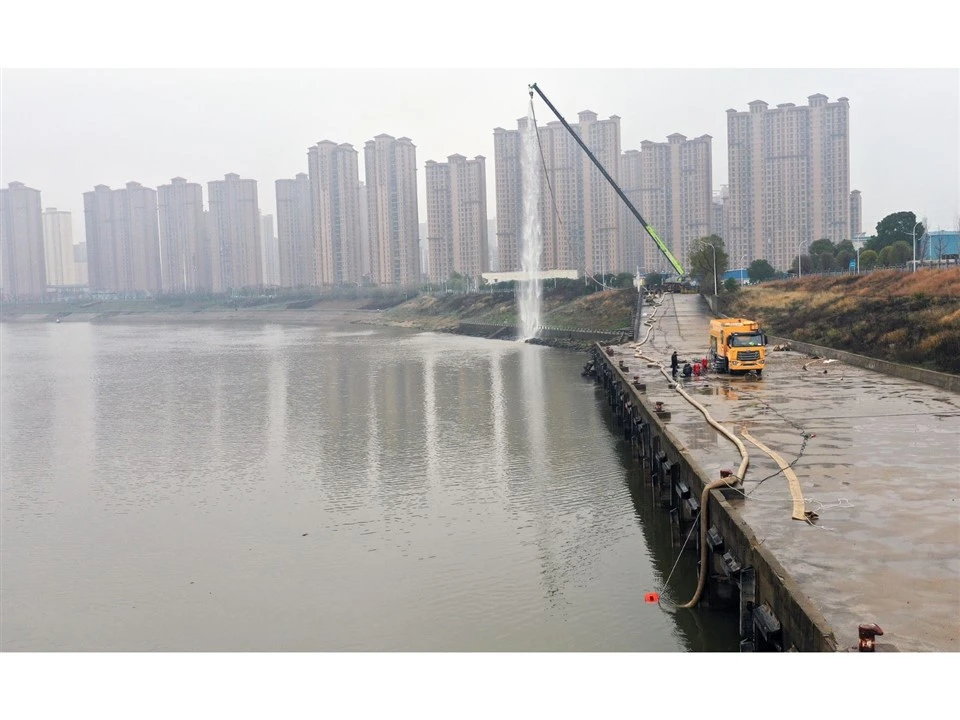
As the name suggests, the mobility of a mobile flooding pump is a key advantage, especially in fish farms where water management may be required at different locations. The pump should be easy to move around the farm, either manually or with the help of a trailer.
Mobile Water Drain Pump Trailer is a great option for fish farms as it provides easy transportation of the pump. It allows farmers to quickly move the pump to different ponds or areas of the farm as needed. Similarly, Trailer Mounted Drainage Pump offers the convenience of mobility and can be easily towed to the required location.
Noise and Vibration
Excessive noise and vibration from the pump can cause stress to the fish, which can negatively impact their health and growth. When selecting a mobile flooding pump, look for models that are designed to operate quietly and with minimal vibration.
Some pumps are equipped with noise - reducing features such as sound - insulated enclosures and vibration - dampening mounts. These features can help to create a more peaceful environment for the fish and also reduce the disturbance to the farm workers.
Ease of Maintenance
Regular maintenance is essential to keep the mobile flooding pump in good working condition. A pump that is easy to maintain can save time and money for fish farmers.
Choose a pump with accessible components for easy inspection, cleaning, and repair. The pump should also come with clear maintenance instructions and be supported by a reliable after - sales service. Some pumps have self - diagnostic features that can alert the user to potential problems, making it easier to address issues before they become major breakdowns.
Compatibility with Farm Infrastructure
The mobile flooding pump should be compatible with the existing infrastructure in the fish farm. This includes the water intake and discharge systems, pipes, and valves.
Ensure that the pump's inlet and outlet sizes match the sizes of the pipes in the farm. Incompatible connections can lead to reduced water flow, increased energy consumption, and potential leaks. Additionally, consider the type of mounting and installation requirements of the pump to ensure that it can be easily integrated into the farm's infrastructure.
Safety Features
Safety is of utmost importance when using a mobile flooding pump. The pump should be equipped with safety features to protect the users and the fish.
For example, pumps should have overload protection to prevent damage to the motor in case of a sudden increase in load. They should also have proper grounding to avoid electrical hazards. In addition, some pumps are designed with automatic shut - off features in case of low water levels to prevent dry - running, which can damage the pump.
Emergency Preparedness
Fish farms are vulnerable to various natural disasters and emergencies such as floods, power outages, and equipment failures. A mobile flooding pump can play a crucial role in emergency response.
Consider having a backup power source for the pump, such as a generator, to ensure that it can operate during power outages. It is also a good idea to have spare parts on hand to quickly repair the pump in case of a breakdown. Fire Water Supply Pump can also be used in emergency situations, not only for fire - fighting but also for water supply and drainage when needed.
Cost - Benefit Analysis
Finally, fish farmers should conduct a cost - benefit analysis when choosing a mobile flooding pump. Consider not only the initial purchase price of the pump but also the long - term costs associated with operation, maintenance, and energy consumption.
A more expensive pump with better features such as high energy efficiency, durability, and low maintenance requirements may offer a better return on investment in the long run compared to a cheaper but less reliable pump.
In conclusion, using a mobile flooding pump in fish farms requires careful consideration of multiple factors. By taking into account water quality, pump capacity, energy efficiency, mobility, noise and vibration, ease of maintenance, compatibility with infrastructure, safety features, emergency preparedness, and cost - benefit analysis, fish farmers can make an informed decision and choose the right pump for their specific needs.
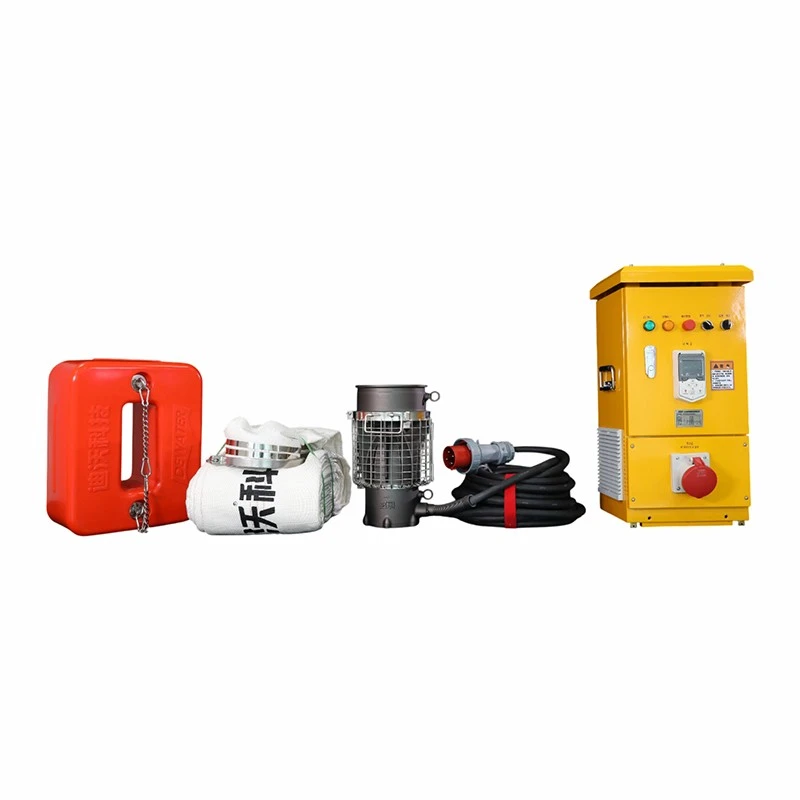
If you are a fish farmer looking for a high - quality mobile flooding pump that meets all these considerations, feel free to contact us. We are a leading supplier of mobile flooding pumps, and our team of experts can help you select the most suitable pump for your fish farm. We offer a wide range of pumps with different capacities, features, and price points to meet the diverse needs of fish farmers. Let's start a conversation about your water management requirements and find the perfect solution for your fish farm.
References
- "Fish Farm Water Management: Best Practices" by Aquaculture Research Institute
- "Energy - Efficient Pumps for Aquaculture" by International Energy Agency for Aquaculture
- "Mobile Pump Technology and Applications in Agriculture" by Agricultural Engineering Journal