


Hey there! As a supplier of Mobile Flooding Pumps, I've had my fair share of experiences when it comes to testing these bad boys. In this blog, I'll walk you through the ins and outs of how to test the performance of a mobile flooding pump. So, let's dive right in!
Why Testing is Crucial
First off, why bother testing the performance of a mobile flooding pump? Well, these pumps are often used in critical situations, like flood control and emergency drainage. You need to make sure they're up to the task when it matters most. A poorly performing pump can lead to delays in flood response, property damage, and even endanger lives. So, proper testing is non - negotiable.
Pre - test Preparations
Before you start the actual testing, there are a few things you need to do. First, check the pump's physical condition. Look for any visible signs of damage, like cracks in the casing or loose connections. Make sure all the components are properly installed and tightened.
Next, gather the necessary tools and equipment. You'll need things like flow meters, pressure gauges, and a stopwatch. These tools will help you measure the key performance indicators of the pump. Also, ensure that you have a suitable test environment. You need a large enough water source, like a pond or a large tank, to simulate real - world conditions.
Testing the Flow Rate
One of the most important performance indicators of a mobile flooding pump is its flow rate. The flow rate tells you how much water the pump can move in a given amount of time. To measure the flow rate, you can use a flow meter. Install the flow meter in the discharge pipe of the pump.
Start the pump and let it run for a few minutes to stabilize. Then, use the stopwatch to time how long it takes to fill a known volume of water. You can calculate the flow rate using the formula: Flow Rate = Volume / Time. Compare the measured flow rate with the pump's rated flow rate. If there's a significant difference, there might be an issue with the pump.
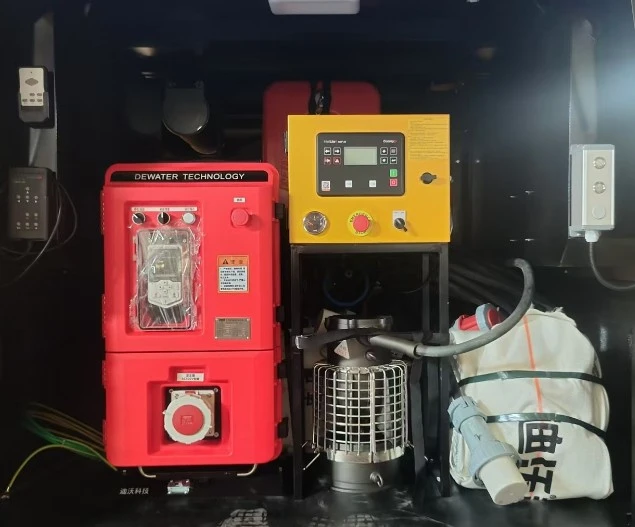
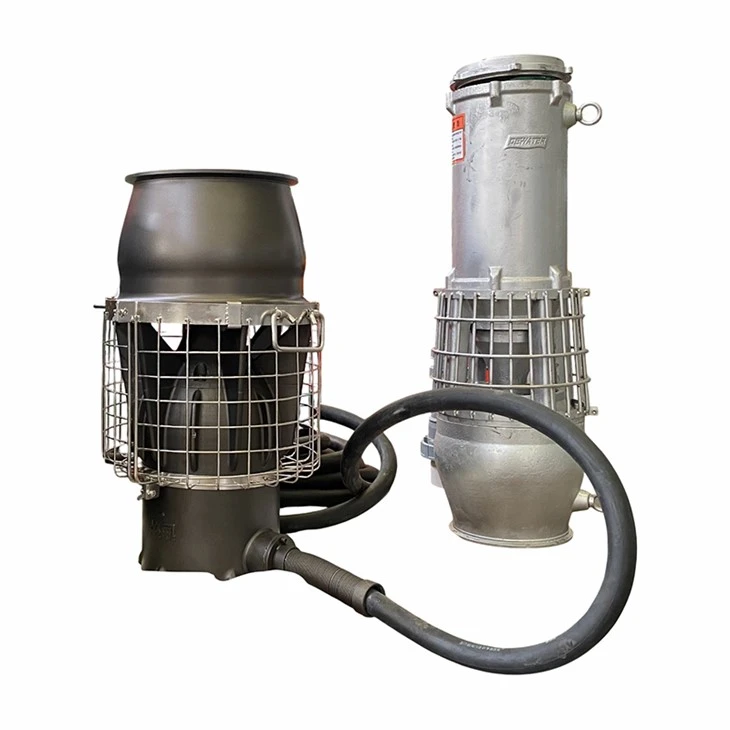
Pressure Testing
Another crucial aspect is the pump's pressure. The pressure indicates the force with which the pump can push water through the pipes. Attach a pressure gauge to the discharge pipe of the pump. Start the pump and record the pressure reading when the pump is running at a steady state.
Check the pressure reading against the pump's rated pressure. A low pressure could mean that the pump is not generating enough force to move water effectively. High pressure, on the other hand, might indicate a blockage in the pipes or a problem with the pump's impeller.
Efficiency Testing
Efficiency is also an important factor. A pump's efficiency is a measure of how well it converts input power into useful work (moving water). To test the efficiency, you need to measure the input power and the output power of the pump.
The input power can be measured using a power meter, which measures the electrical power consumed by the pump motor. The output power can be calculated using the formula: Output Power = Flow Rate x Pressure / (Density of Water x Gravity). The efficiency is then calculated as: Efficiency = (Output Power / Input Power) x 100%. A low efficiency might suggest that the pump is not operating optimally.
Suction Lift Testing
For mobile flooding pumps, the suction lift is an important consideration. The suction lift refers to the vertical distance between the water source and the pump's inlet. To test the suction lift, gradually raise the pump above the water level and start the pump.
Measure the maximum height at which the pump can still draw water effectively. Compare this value with the pump's rated suction lift. A lower than expected suction lift could be due to a leak in the suction pipe or a problem with the pump's impeller.
Testing the Mobile Features
Since these are mobile pumps, it's also important to test their mobility features. Check how easy it is to move the pump from one location to another. If it's a Mobile Fire Water Pump Trailer, test its towing capabilities. Make sure that the wheels are in good condition and that the trailer can be easily attached and detached.
For Mobile Flooding Control Pump models that are designed to be carried by hand, check the weight and the ergonomics of the carrying handles. A pump that is difficult to move around won't be very useful in an emergency situation.
Durability Testing
Durability is key, especially since these pumps are often used in harsh environments. You can perform some basic durability tests. For example, run the pump for an extended period of time, say 24 hours, and monitor its performance. Check for any signs of overheating, excessive vibration, or component failure.
If the pump is designed to handle seawater, like our Seawater Backfilling Drainage Pump, you can test its corrosion resistance. Immerse the pump in a saltwater solution for a few days and then check for any signs of corrosion on the pump's components.
Post - test Inspection
After the testing is complete, it's important to do a post - test inspection. Shut down the pump and turn off all the equipment. Check the pump for any signs of wear and tear. Look for any loose parts or leaks that might have developed during the testing.
If you find any issues, make the necessary repairs or adjustments. Document all the test results, including the measured values of flow rate, pressure, efficiency, etc. This documentation will be useful for future reference and for ensuring the pump's long - term performance.
Conclusion
Testing the performance of a mobile flooding pump is a comprehensive process that involves multiple steps. By testing the flow rate, pressure, efficiency, suction lift, mobility, and durability, you can ensure that the pump is in good working condition and ready to tackle any flooding situation.
If you're in the market for a high - quality mobile flooding pump or have any questions about pump testing, feel free to reach out. We're here to help you find the right pump for your needs and ensure that it performs at its best. Let's get in touch and start a conversation about your pumping requirements.
References
- "Pump Handbook" by Igor J. Karassik
- "Fluid Mechanics and Hydraulic Machines" by R. K. Bansal