



Hey there! I'm a supplier of Mobile Pump Stations, and today I wanna chat about something super important: anti - freezing agents for these stations.
First off, let's understand why we even need anti - freezing agents for mobile pump stations. Mobile pump stations are used in all sorts of conditions, and in cold weather, the water inside the pumps can freeze. When water freezes, it expands, and this expansion can cause serious damage to the pump components, like cracking the pipes or damaging the impellers. So, anti - freezing agents are crucial to keep the pump stations working properly in cold environments.
There are several types of anti - freezing agents commonly used for mobile pump stations.
Glycol - based anti - freezing agents
Glycol is one of the most popular choices. Ethylene glycol and propylene glycol are the two main types.
Ethylene glycol is well - known for its excellent anti - freezing properties. It has a low freezing point, which means it can prevent the water in the pump station from freezing even in extremely cold temperatures. It also has good heat transfer properties, which helps in maintaining a stable temperature inside the pump system. However, ethylene glycol is toxic. If there's a leak or spill, it can be harmful to the environment and human health. So, when using ethylene glycol, proper safety measures need to be taken.
On the other hand, propylene glycol is a more environmentally friendly option. It's less toxic than ethylene glycol, making it a safer choice, especially in areas where there might be a higher risk of leakage. Although its anti - freezing performance is a bit lower than ethylene glycol, it still works well in most cold - weather conditions. Propylene glycol is often used in mobile pump stations that are used in residential areas or places close to water sources.
Alcohol - based anti - freezing agents
Alcohols like methanol and ethanol can also be used as anti - freezing agents. Methanol has a very low freezing point and is relatively inexpensive. It can quickly lower the freezing point of water in the pump station. But methanol is highly flammable and toxic. Its use requires strict safety precautions, and it's not suitable for all applications.
Ethanol is less toxic than methanol and is also flammable. It's commonly used in some mobile pump stations, especially those where a less - toxic option is preferred. However, its anti - freezing performance is not as good as glycol - based agents in extremely cold conditions.
Salt - based anti - freezing agents
Some salts can be used to lower the freezing point of water. Calcium chloride and sodium chloride are examples. Calcium chloride is very effective in reducing the freezing point of water. It can work in very cold temperatures and is often used in industrial settings. However, it can be corrosive to the metal components of the pump station over time. Sodium chloride, which is common table salt, is also used. It's cheap and readily available. But similar to calcium chloride, it can cause corrosion, especially in the presence of moisture.
When choosing an anti - freezing agent for a mobile pump station, several factors need to be considered.
Temperature
The lowest temperature the pump station will be exposed to is a key factor. If it's going to be used in extremely cold regions, a more powerful anti - freezing agent like ethylene glycol might be needed. For moderately cold areas, propylene glycol or alcohol - based agents could be sufficient.
Environmental impact
As mentioned earlier, some anti - freezing agents are more environmentally friendly than others. If the pump station is used in an area with strict environmental regulations or close to sensitive ecosystems, a non - toxic option like propylene glycol should be chosen.
Compatibility with pump materials
Different anti - freezing agents can have different effects on the materials of the pump station. For example, salt - based agents can corrode metal parts, so if the pump has a lot of metal components, a glycol - based or alcohol - based agent might be a better choice.

Cost
Cost is always a consideration. Glycol - based agents are generally more expensive than salt - based agents. However, the long - term benefits of using a high - quality anti - freezing agent, such as preventing pump damage and reducing maintenance costs, need to be weighed against the initial cost.
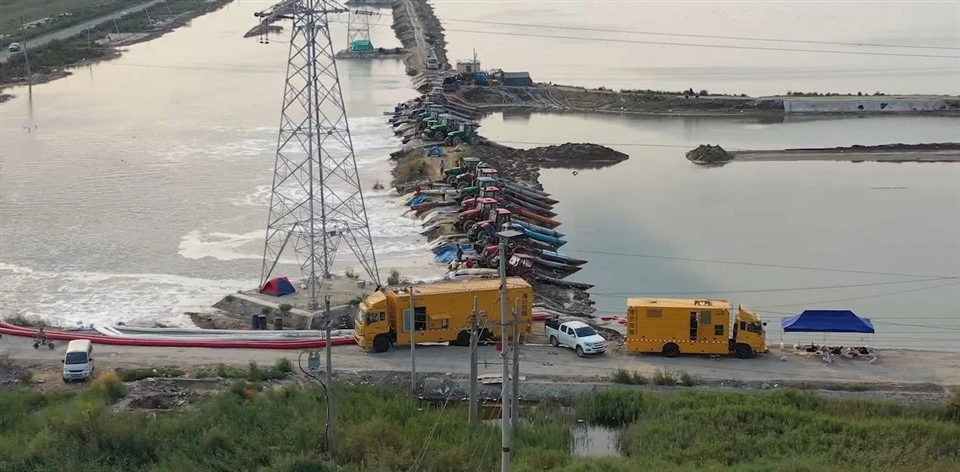
As a mobile pump station supplier, I've seen firsthand how important it is to choose the right anti - freezing agent. We offer a range of mobile pump stations that are suitable for different applications. Whether you need a Engineering Water Drainage Rescue Vehicles for flood control or Drainage Pump Vehicles in Disaster Sites, our Mobile Pumping Station can meet your needs.
If you're in the market for a mobile pump station or need advice on the right anti - freezing agent for your specific situation, don't hesitate to reach out. We're here to help you make the best choice for your pumping needs.
References:
- "Handbook of Antifreeze Technology" by XYZ Publishing
- Industry reports on mobile pump station maintenance and anti - freezing agents