



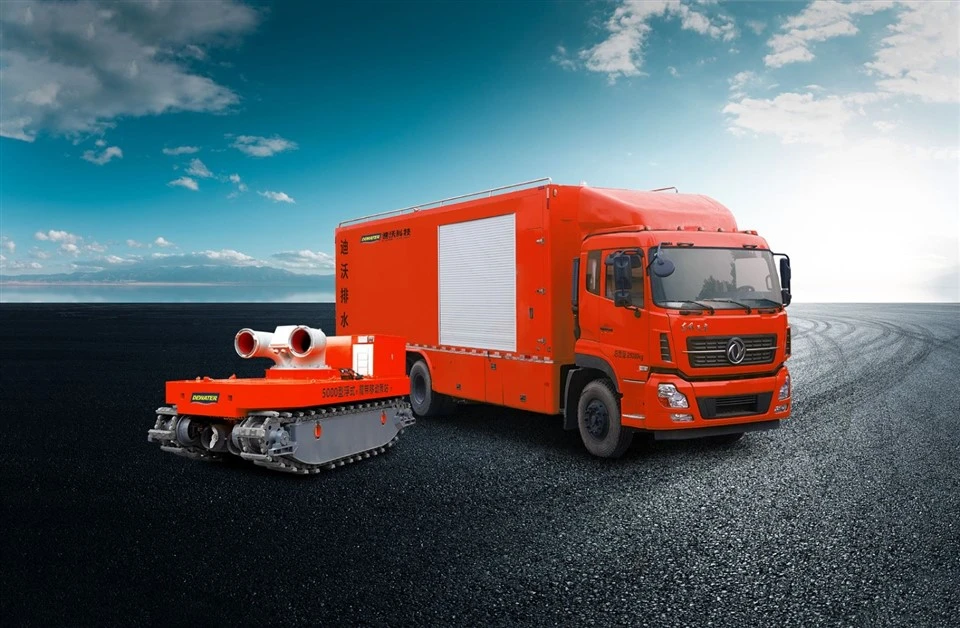
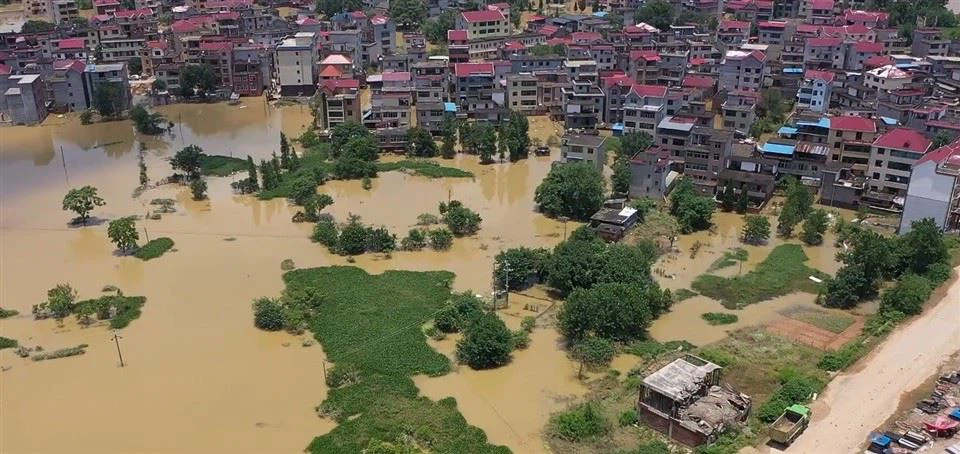
Hey there! As a supplier of Mobile Drainage Pump Trailers, I've seen my fair share of issues that customers run into. These trailers are super handy for all sorts of jobs, like draining flooded areas or handling water in construction sites. But just like any piece of equipment, they can have their problems. In this blog, I'm gonna share some tips on how to troubleshoot common problems with a Mobile Drainage Pump Trailer.
1. The Pump Won't Start
One of the most frustrating things is when you turn the key, and nothing happens. There could be a few reasons for this.
Battery Issues
First off, check the battery. A dead or weak battery is a common culprit. Make sure the battery terminals are clean and tight. Corrosion on the terminals can prevent the electrical current from flowing properly. You can use a wire brush to clean off any corrosion. If the battery is old or not holding a charge, it might need to be replaced.
Fuel Problems
If your pump is fuel-powered, check the fuel level. It might seem obvious, but sometimes we forget to fill up. Also, make sure the fuel isn't contaminated. Old fuel can go bad and cause starting problems. If you suspect the fuel is bad, drain the tank and refill it with fresh fuel.
Starter Motor
The starter motor could be the issue. If you hear a clicking sound when you try to start the pump, it might be a sign that the starter motor is failing. You can try tapping on the starter motor gently with a hammer. Sometimes, this can free up stuck components. If that doesn't work, you'll probably need to replace the starter motor.
2. Low Pump Output
If your pump is running, but it's not moving as much water as it should, there are a few things to look into.
Clogged Intake
The intake is where the water enters the pump. It can get clogged with debris like leaves, twigs, or dirt. Check the intake screen and clean it if it's blocked. You might need to turn off the pump and remove the screen to clean it properly.
Pump Impeller
The impeller is a crucial part of the pump that moves the water. If it's damaged or worn out, it can reduce the pump's output. You'll need to remove the pump housing to check the impeller. If you see any signs of damage, like cracks or chips, you'll need to replace the impeller.
Leaks
Leaks in the pump or the hoses can also cause low output. Check all the connections and hoses for any signs of water leakage. Tighten any loose connections or replace damaged hoses.
3. Excessive Vibration
A pump that vibrates too much can be a sign of a problem.
Misalignment
If the pump and the motor aren't properly aligned, it can cause excessive vibration. You'll need to check the alignment using a straightedge. If they're misaligned, you'll need to adjust the mounts to get them back in line.
Unbalanced Impeller
An unbalanced impeller can also cause vibration. If you suspect the impeller is unbalanced, you can try balancing it using a balancing kit. If that doesn't work, you might need to replace the impeller.
Loose Components
Check all the bolts and nuts on the pump and the trailer. Loose components can cause vibration. Tighten any loose parts to reduce the vibration.
4. Overheating
Overheating can damage the pump and reduce its lifespan.
Lack of Cooling
If your pump has a cooling system, make sure it's working properly. Check the coolant level and make sure there are no blockages in the cooling passages. If the coolant is low, refill it with the appropriate coolant.
Overloading
Running the pump at a higher capacity than it's designed for can cause overheating. Make sure you're not overloading the pump. Check the pump's specifications to see its maximum capacity.
Poor Ventilation
The pump needs proper ventilation to stay cool. Make sure there are no obstructions around the pump that could block the airflow.
5. Noisy Operation
A noisy pump can be annoying and a sign of a problem.
Worn Bearings
The bearings in the pump can wear out over time, causing noise. If you hear a grinding or whining sound, it might be a sign that the bearings need to be replaced. You'll need to remove the pump housing to access the bearings.
Cavitation
Cavitation occurs when there's a sudden change in pressure inside the pump, causing bubbles to form and collapse. This can cause a loud noise. To prevent cavitation, make sure the intake pressure is within the pump's specifications. You might need to adjust the intake hose or the depth of the pump in the water.
Conclusion
Troubleshooting common problems with a Mobile Drainage Pump Trailer can seem daunting, but with a little knowledge and some basic tools, you can fix many issues on your own. Remember to always follow the manufacturer's instructions when working on your pump. If you're not comfortable doing the repairs yourself, it's always a good idea to call in a professional.
If you're in the market for a Mobile Drainage Pump Trailer or need parts and accessories, we've got you covered. We offer a wide range of Flooding and Dainage Pump Truck, Mobile Pump Drainage Rescue Trucks, and Mobile Drainage Pump Station. Our products are high-quality and reliable, and we have a team of experts ready to help you with any questions or concerns you might have. Contact us today to start the procurement process and find the perfect solution for your needs.
References
- Manufacturer's manuals for Mobile Drainage Pump Trailers
- Industry best practices for pump maintenance and troubleshooting