


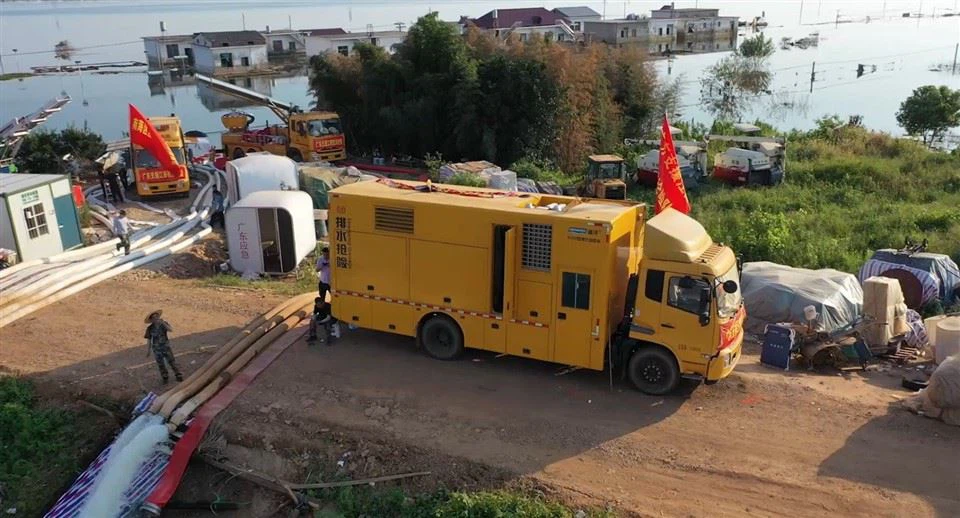
Hey there! As a supplier of mobile pump stations, I've seen my fair share of issues that can pop up with these machines. Mobile pump stations are super handy for all sorts of jobs, like flood control, emergency rescue, and more. But just like any piece of equipment, they can run into problems from time to time. In this blog, I'm gonna share some tips on how to troubleshoot a mobile pump station.

1. Check the Basics First
Before you start tearing into the pump station, it's always a good idea to check the simple stuff. This includes things like making sure the power supply is working. If it's an electric pump, check if the circuit breaker has tripped or if there's a blown fuse. Sometimes, it could be as easy as resetting the breaker or replacing the fuse.
Also, take a look at the fuel level if it's a diesel - powered pump. Running out of fuel is a common and easily fixable problem. And don't forget to check the oil level. Low oil can cause all sorts of issues and even damage the engine in the long run.
2. Inspect the Hoses and Connections
The hoses and connections on a mobile pump station are crucial. Leaky hoses can reduce the pump's efficiency and even cause it to stop working altogether. Start by visually inspecting all the hoses for any signs of damage, like cracks, holes, or wear and tear.
Check the connections at both ends of the hoses. Make sure they are tight and secure. Loose connections can lead to air leaks, which can disrupt the pumping process. If you find any leaks, you might need to replace the hose or tighten the connection. You can use hose clamps to secure the hoses better.
3. Look for Clogs
Clogs are another common problem in mobile pump stations. Debris, dirt, and other foreign objects can get into the pump and block the flow of water. This can happen if the intake is not properly screened or if the pump is being used in a dirty environment.
To check for clogs, first, turn off the pump and disconnect the hoses. Then, inspect the intake and the impeller (the part of the pump that moves the water). If you see any debris, you can try to remove it with a brush or a pair of pliers. Sometimes, you might need to disassemble the pump slightly to get to the clog, but be careful not to damage any parts.
4. Examine the Pump Motor
The pump motor is the heart of the mobile pump station. If it's not working properly, the whole system won't work. Listen for any strange noises coming from the motor. Grinding, rattling, or squealing sounds can indicate a problem.
Check the motor's temperature. If it's overheating, it could be due to a variety of reasons, such as a faulty cooling system, overloading, or a problem with the electrical connections. Make sure the motor is getting enough ventilation and that there are no obstructions around it.
If you suspect an electrical problem with the motor, it's best to call in a professional electrician. Working with electrical components can be dangerous, and you don't want to risk getting shocked or causing further damage.
5. Evaluate the Pressure and Flow
Monitoring the pressure and flow of the pump is essential. You can use pressure gauges and flow meters to check these parameters. If the pressure is too low, it could mean there's a problem with the pump itself, a clog, or a leak in the system.
On the other hand, if the pressure is too high, it could be due to a blockage downstream or a problem with the pump's control system. If the flow is inconsistent or lower than normal, it could be related to clogs, leaks, or issues with the pump's impeller.
6. Review the Control System
Many modern mobile pump stations come with a control system that allows you to monitor and adjust the pump's operation. Check the control panel for any error messages or warning lights. These can give you valuable clues about what's going wrong.
Make sure all the switches and sensors are working properly. Sometimes, a faulty sensor can send incorrect signals to the control system, causing the pump to malfunction. If you're not sure how to troubleshoot the control system, refer to the user manual or contact the manufacturer for support.
7. Consider the Environmental Factors
The environment in which the mobile pump station is operating can also affect its performance. Extreme temperatures, high humidity, and dusty conditions can all take a toll on the pump.
In cold weather, the fuel can thicken, and the oil can become more viscous, which can make it harder for the pump to start and run smoothly. You might need to use a fuel additive or a different grade of oil to deal with these issues.
In hot and humid conditions, the pump can be more prone to overheating and corrosion. Make sure the pump is properly ventilated and that any exposed metal parts are protected with a corrosion - resistant coating.
Our Mobile Pump Station Offerings
As a supplier, we offer a wide range of mobile pump stations to meet different needs. If you're looking for a Flood Control Pump Truck, we've got you covered. These trucks are designed to quickly and efficiently remove water during floods, helping to prevent damage to property and infrastructure.
Our Emergency Rescue Drainage Pump Trucks are perfect for emergency situations. They are highly mobile and can be deployed rapidly to provide immediate drainage support in areas affected by natural disasters or other emergencies.
For lighter - duty applications, our Light Duty Rescue Pump Trucks are a great choice. They are more compact and easier to maneuver, making them ideal for smaller - scale rescue and drainage operations.
Conclusion
Troubleshooting a mobile pump station can seem like a daunting task, but by following these steps, you can often identify and fix the problem. Remember to always prioritize safety when working on the pump station. If you're ever unsure about something, don't hesitate to reach out for professional help.
If you're in the market for a mobile pump station or need more information about our products, feel free to contact us. We're here to help you find the right solution for your needs and ensure that your pump station runs smoothly for years to come.
References
- Mobile Pump Station User Manuals
- Industry Standards for Pump Maintenance and Troubleshooting