


As a supplier of Emergency Water Rescue Pickup equipment, I've been getting a lot of questions lately about whether our emergency water rescue pickup teams can work effectively in narrow waterways. It's a valid concern, and one that I think deserves a deep - dive exploration.
First off, let's talk about what narrow waterways are. These can be small canals, tight river bends, or even the gaps between large structures in a flooded urban area. They present unique challenges compared to open - water rescues. In narrow waterways, there's less room to maneuver. The water flow can be more unpredictable, often affected by the shape and layout of the banks and surrounding structures. There might also be more obstacles like fallen trees, debris, or submerged objects that can damage our rescue equipment or endanger the team.
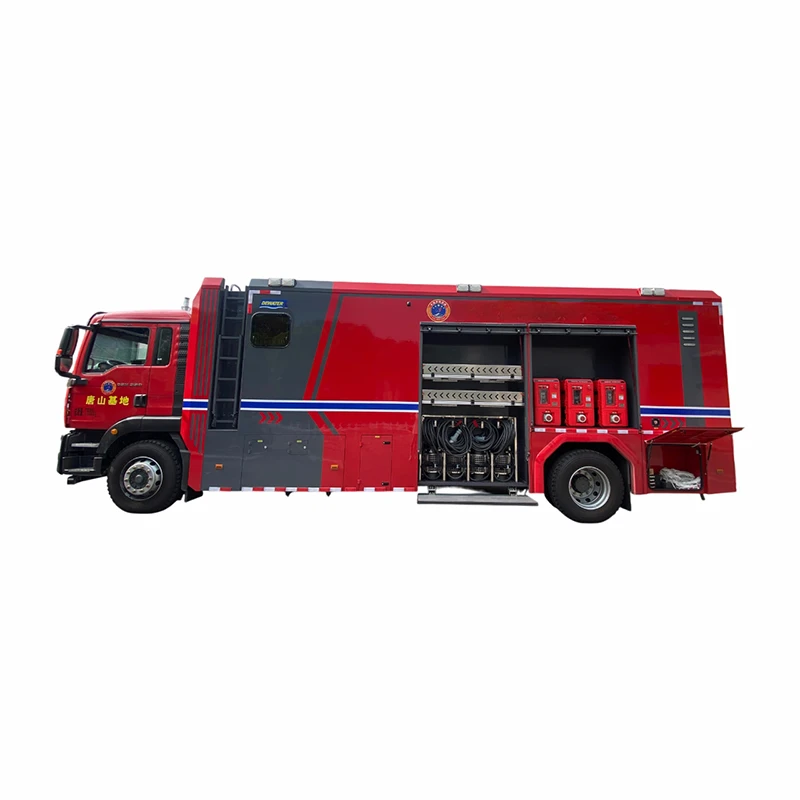
But here's the thing: our emergency water rescue pickup teams are trained to handle these tough situations. We've got specialized equipment that's designed to be agile and efficient in confined spaces. Take our Light Duty Rescue Pump Trucks for example. These trucks are compact and highly maneuverable. They can be easily driven close to the narrow waterways, even in areas with limited access. The pumps on these trucks are powerful enough to quickly remove water, which is crucial in emergency situations. They can be adjusted to different flow rates, so we can handle various water depths and conditions in narrow channels.
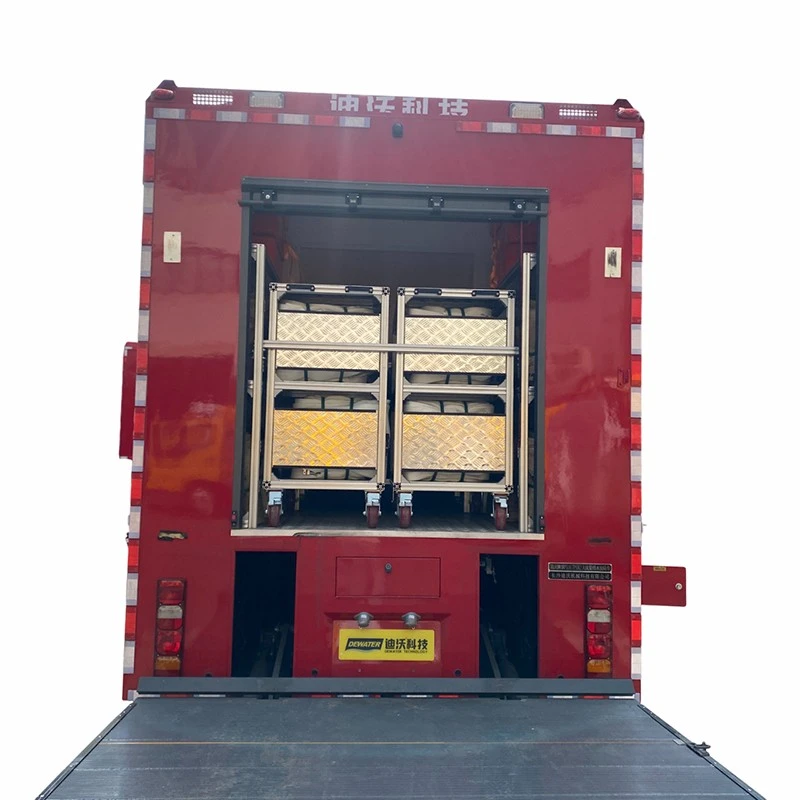
Another piece of our arsenal is the Engineering Water Drainage Rescue Vehicles. These vehicles are built with advanced technology that allows them to operate in tight spots. They come equipped with flexible hoses that can be directed into hard - to - reach areas of the narrow waterways. This means we can get to the water that's trapped in the corners and crevices, where it might be causing the most problems.
Our Emergency Drainage Rescue Vehicle is also a game - changer. It's designed to be versatile and can adapt to different types of narrow waterway scenarios. Whether it's a narrow natural stream or an artificial drainage channel in a city, this vehicle can get the job done. It has a high - performance pump system that can work against strong water currents, which are often present in narrow passages.
In addition to the equipment, our teams are well - trained. They undergo regular drills and simulations that focus on narrow - waterway rescues. They learn how to read the water flow in these confined spaces, how to navigate around obstacles safely, and how to use the equipment effectively. We also have a team of experts who are always on standby to provide real - time support during a rescue operation. They can analyze the situation and give the best advice to the on - site team, ensuring that the rescue is carried out smoothly.
One of the key aspects of working in narrow waterways is communication. Our teams use state - of - the - art communication devices to stay in touch with each other and with the command center. This is essential because in a narrow space, a small mistake can have big consequences. For example, if one team member is moving equipment in one part of the waterway and another is unaware, it could lead to a collision or damage to the gear. By having clear communication, we can coordinate our efforts and avoid these kinds of issues.
Now, I know some of you might be thinking, "But what about the risk of getting stuck or causing more damage in these narrow areas?" We've thought of that too. Before we start any rescue operation in a narrow waterway, we conduct a thorough assessment. Our team will use drones and other surveying tools to map out the area, identify potential obstacles, and understand the water flow patterns. This pre - operation analysis helps us plan the rescue strategy and choose the right equipment for the job.
We also have contingency plans in place. In case something goes wrong, like a pump getting clogged or a vehicle getting stuck, we know exactly what to do. Our teams are trained to handle these emergencies quickly and efficiently, minimizing the impact on the rescue operation.
In conclusion, yes, our emergency water rescue pickup teams can definitely work in narrow waterways. With our specialized equipment, well - trained teams, and careful planning, we're confident that we can handle any emergency situation in these challenging environments.
If you're in need of emergency water rescue pickup services or are interested in our equipment, I encourage you to reach out for a procurement discussion. We're always ready to talk about how we can meet your specific needs and help you deal with water - related emergencies.
References
- Professional training materials for emergency water rescue teams
- Technical specifications of Light Duty Rescue Pump Trucks, Engineering Water Drainage Rescue Vehicles, and Emergency Drainage Rescue Vehicles provided by the manufacturers.