


Selecting the right pump size for a Traction Large Flow Pump is a crucial decision that can significantly impact the efficiency and effectiveness of your pumping operations. As a leading supplier of Traction Large Flow Pumps, I understand the importance of this decision and am here to guide you through the process.
Understanding the Basics of Pump Sizing
Before delving into the selection process, it's essential to understand the key factors that influence pump sizing. The primary considerations include flow rate, head pressure, and the nature of the fluid being pumped.
Flow Rate
The flow rate, measured in gallons per minute (GPM) or cubic meters per hour (m³/h), refers to the volume of fluid that the pump needs to move within a specific time frame. Determining the required flow rate is the first step in pump sizing. You need to assess the demand of your application, whether it's for industrial processes, water supply, or flood control. For instance, in a large - scale industrial water circulation system, a high flow rate is necessary to ensure continuous operation.
Head Pressure
Head pressure, measured in feet or meters, represents the resistance that the pump must overcome to move the fluid. It includes factors such as elevation changes, friction losses in pipes, and pressure requirements at the discharge point. A pump needs to generate sufficient head pressure to push the fluid through the system. For example, if you are pumping water from a lower - lying reservoir to a higher - elevation storage tank, the pump must be able to overcome the gravitational force and the friction in the pipes.
Fluid Properties
The nature of the fluid being pumped also plays a vital role in pump sizing. Viscosity, density, and the presence of solids or abrasives can affect the pump's performance. For instance, pumping a thick, viscous fluid like oil requires a pump with more power compared to pumping water. Similarly, if the fluid contains solid particles, the pump must be designed to handle abrasion and prevent clogging.
Steps to Select the Right Pump Size
Step 1: Define Your Application Requirements
The first step is to clearly define the purpose of your pumping system. Consider the following questions:
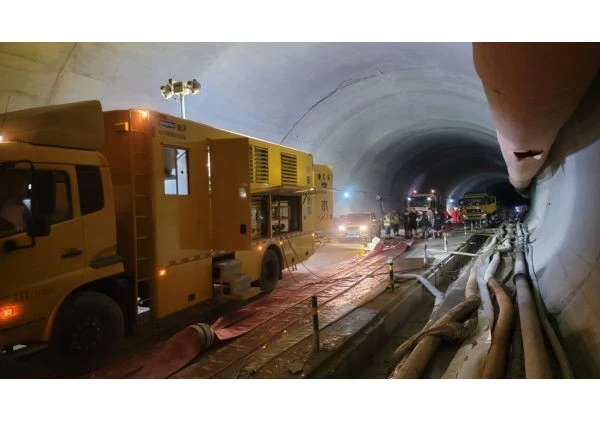
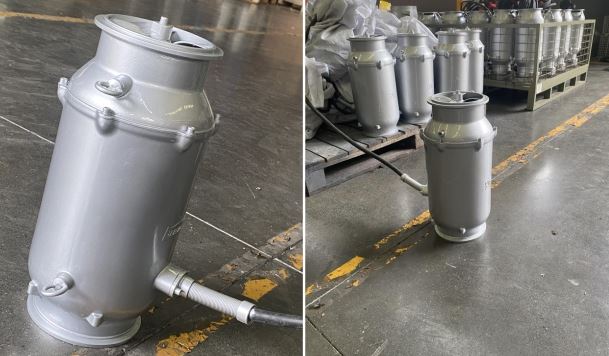
- What is the required flow rate? You can calculate this based on the volume of fluid that needs to be moved and the time available. For example, if you need to drain a flooded area of 1000 cubic meters in 10 hours, the required flow rate would be 100 m³/h.
- What is the total head pressure? Measure the elevation difference between the suction and discharge points, calculate the friction losses in the pipes using appropriate formulas, and consider any additional pressure requirements at the discharge.
- What type of fluid is being pumped? Determine its viscosity, density, and whether it contains solids or chemicals.
Step 2: Consult Pump Performance Curves
Pump performance curves are graphical representations of a pump's performance under different operating conditions. They show the relationship between flow rate, head pressure, power consumption, and efficiency. By referring to these curves, you can select a pump that can meet your specific flow rate and head pressure requirements. Most pump manufacturers provide performance curves for their products, which can be found in product catalogs or on their websites.
Step 3: Consider System Flexibility
It's important to consider the future needs of your system. Your pumping requirements may change over time due to expansion, process modifications, or changes in the fluid properties. Select a pump that has some flexibility in terms of flow rate and head pressure. A pump with a wider operating range can adapt to these changes without the need for a complete replacement.
Step 4: Evaluate Pump Efficiency
Pump efficiency is a critical factor as it directly impacts energy consumption and operating costs. A more efficient pump will consume less power for the same amount of work, resulting in lower electricity bills. Look for pumps with high - efficiency ratings and consider the long - term savings when making your selection.
Types of Traction Large Flow Pumps and Their Applications
As a Traction Large Flow Pump supplier, we offer a variety of pumps suitable for different applications.
Portable Diesel Pump
Our Portable Diesel Pump is a versatile option for applications where mobility is required. It is powered by a diesel engine, which provides high - power output and can operate in remote locations without access to electricity. These pumps are commonly used for construction site dewatering, agricultural irrigation, and emergency flood control.
Flood Prevention and Drainage Mobile Pump
The Flood Prevention and Drainage Mobile Pump is specifically designed for flood control and drainage applications. It has a large flow rate and can quickly remove large volumes of water from flooded areas. These pumps are often used in urban areas, low - lying regions, and near water bodies to prevent flood damage.
Reservoir Burst Drainage Emergency Pump
In the event of a reservoir burst or other emergency situations, our Reservoir Burst Drainage Emergency Pump can provide rapid and reliable drainage. It is designed to handle high - volume water flow and can be quickly deployed to the site. These pumps are essential for minimizing the damage caused by sudden water releases.
Working with a Professional Supplier
Selecting the right pump size can be a complex process, and it's often beneficial to work with a professional supplier. As a Traction Large Flow Pump supplier, we have the expertise and experience to help you make the right decision. Our team of engineers can assess your specific requirements, recommend the most suitable pump size and type, and provide technical support throughout the installation and operation of the pump.
Contact Us for Purchase and Consultation
If you are in the market for a Traction Large Flow Pump and need assistance in selecting the right pump size, we are here to help. Our team of experts can provide detailed information, answer your questions, and guide you through the purchasing process. Whether you need a pump for a small - scale project or a large - scale industrial application, we have the solutions to meet your needs. Contact us today to start the conversation and find the perfect pump for your requirements.
References
- "Pump Handbook" by Igor J. Karassik et al.
- "Fluid Mechanics and Hydraulics" by Jack B. Evett and Carl S. Liu.
- Manufacturer's product catalogs and technical documentation.