


As a trusted mobile pump supplier, I understand the critical role that mobile pumps play in various applications, from construction sites to emergency flood control. One of the most common and frustrating issues that users face is oil leakage. Oil leakage not only leads to environmental pollution but also reduces the efficiency and lifespan of the pump. In this blog, I will share some effective ways to prevent oil leakage in a mobile pump.
Understanding the Causes of Oil Leakage
Before we delve into the prevention methods, it's essential to understand the root causes of oil leakage in mobile pumps. There are several factors that can contribute to this problem:
- Worn Seals and Gaskets: Over time, the seals and gaskets in the pump can wear out due to continuous use, high temperatures, and exposure to chemicals. When these seals and gaskets fail, oil can leak out of the pump.
- Loose Fittings: If the fittings on the pump are not tightened properly, oil can seep out through the gaps. This can happen during installation or due to vibration during operation.
- Damaged Oil Reservoir: A crack or hole in the oil reservoir can cause oil to leak. This can be the result of physical damage, corrosion, or improper handling.
- High Oil Pressure: Excessive oil pressure can put stress on the seals and gaskets, causing them to fail and leading to oil leakage. This can be caused by a malfunctioning oil pump or a blocked oil passage.
Preventive Measures
Now that we know the causes of oil leakage, let's explore some preventive measures that can help you avoid this problem:
- Regular Maintenance and Inspection:
- Check Seals and Gaskets: Regularly inspect the seals and gaskets for signs of wear and tear. Replace any damaged or worn seals and gaskets immediately. This will help prevent oil from leaking out of the pump.
- Tighten Fittings: Make sure all the fittings on the pump are tightened properly. Check them periodically to ensure they haven't loosened due to vibration or other factors.
- Inspect the Oil Reservoir: Look for any cracks or holes in the oil reservoir. If you find any damage, repair or replace the reservoir as soon as possible.
- Monitor Oil Pressure: Use a pressure gauge to monitor the oil pressure in the pump. If the pressure is too high, have the oil pump and oil passages checked for blockages or malfunctions.
- Proper Installation:
- Follow Manufacturer's Instructions: When installing the mobile pump, make sure to follow the manufacturer's instructions carefully. This includes proper alignment, tightening of bolts, and use of the correct sealants.
- Use High - Quality Seals and Gaskets: Invest in high - quality seals and gaskets that are designed to withstand the operating conditions of the pump. This will reduce the risk of premature failure and oil leakage.
- Clean and Lubricate:
- Keep the Pump Clean: Regularly clean the pump to remove dirt, debris, and oil residues. This will prevent the accumulation of contaminants that can damage the seals and gaskets.
- Lubricate Moving Parts: Proper lubrication of the moving parts in the pump reduces friction and wear, which can help prevent oil leakage. Use the recommended lubricant and follow the manufacturer's guidelines for lubrication intervals.
- Control Operating Conditions:
- Avoid Overloading: Do not operate the pump beyond its rated capacity. Overloading can cause excessive heat and pressure, which can lead to oil leakage.
- Maintain Proper Temperature: Keep the pump operating within the recommended temperature range. High temperatures can degrade the seals and gaskets, increasing the risk of oil leakage.
Specific Solutions for Different Types of Mobile Pumps
Different types of mobile pumps may have unique characteristics and requirements. Here are some specific solutions for common types of mobile pumps:

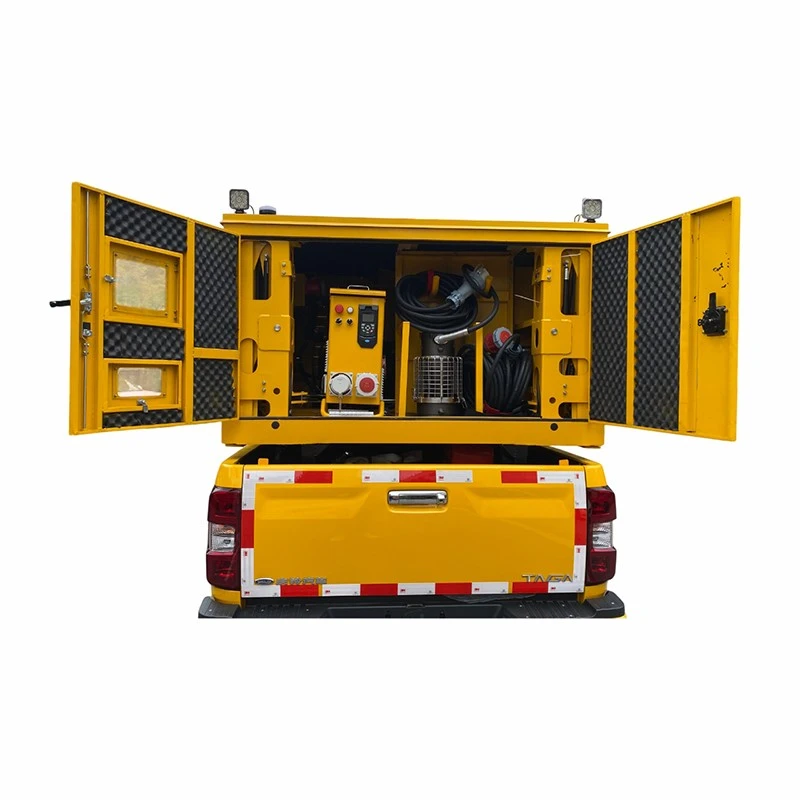
- Long Distance Water Supply Equipment:
- For long - distance water supply equipment, ensure that the pump is properly sized for the application. An undersized pump may need to work harder, leading to higher pressure and potential oil leakage.
- Check the hoses and connections regularly for any signs of wear or damage. These components are crucial for maintaining the integrity of the system and preventing oil leakage.
- Government Emergency Flood Control Pump:
- In emergency flood control pumps, rapid deployment and continuous operation are common. Therefore, it's essential to conduct pre - deployment inspections to check for oil leakage.
- Keep spare seals and gaskets on hand so that any issues can be addressed quickly during an emergency.
- Trailer Mounted Drainage Pump:
- Trailer - mounted drainage pumps are often exposed to rough terrain and vibrations. Secure the pump properly on the trailer to minimize the impact of vibrations on the seals and gaskets.
- Inspect the mounting brackets and connections regularly to ensure they are in good condition.
Training and Education
Proper training and education for the operators of mobile pumps are also crucial in preventing oil leakage. Operators should be trained on the following:
- Proper Operation: Teach operators how to start, stop, and operate the pump correctly. This includes following the correct procedures for priming the pump, adjusting the speed, and monitoring the pressure.
- Maintenance Procedures: Provide training on the regular maintenance procedures, such as checking the oil level, inspecting the seals and gaskets, and tightening the fittings.
- Signs of Oil Leakage: Train operators to recognize the signs of oil leakage, such as oil stains on the ground, a decrease in oil level, or a burning smell. Encourage them to report any issues immediately.
Conclusion
Preventing oil leakage in a mobile pump is essential for ensuring its efficient operation, reducing environmental impact, and extending its lifespan. By understanding the causes of oil leakage, implementing preventive measures, and providing proper training to operators, you can significantly reduce the risk of this problem.
As a mobile pump supplier, we are committed to providing high - quality products and comprehensive support to our customers. If you have any questions about preventing oil leakage in your mobile pump or if you are interested in purchasing a new mobile pump, please feel free to contact us for a consultation. We look forward to working with you to meet your pumping needs.
References
- Manufacturer's manuals for mobile pumps
- Industry standards and best practices for pump maintenance
- Research papers on pump reliability and failure prevention