


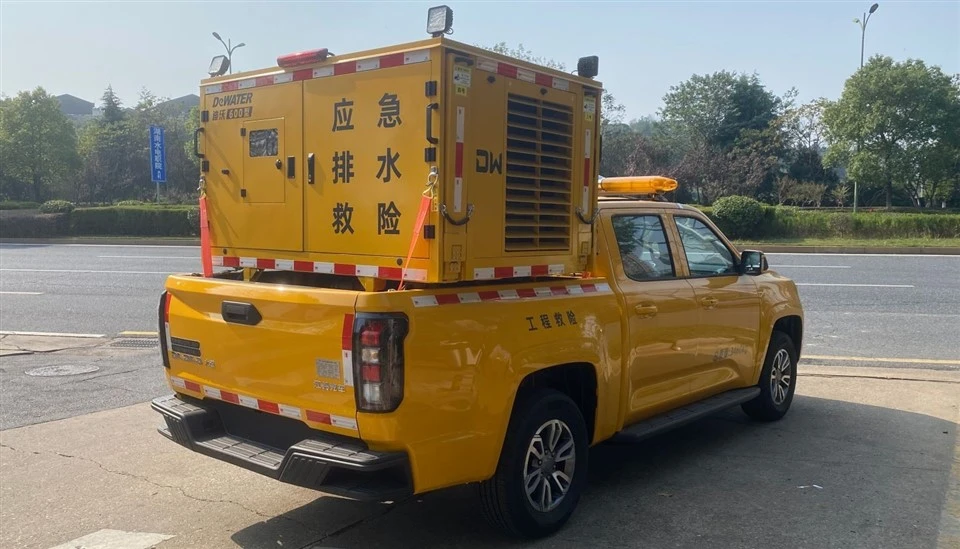
Operating a water drainage pump truck in a confined space presents unique challenges and requires careful planning and execution. As a supplier of water drainage pump trucks, I understand the importance of providing clear guidance on how to handle these situations safely and effectively. In this blog post, I will share some essential tips and best practices for operating a water drainage pump truck in a confined space.

Understanding the Challenges of Confined Spaces
Confined spaces are areas that have limited entry and exit points, poor ventilation, and may contain hazardous substances. When operating a water drainage pump truck in a confined space, these challenges can be exacerbated. Some of the key challenges include:
- Limited Space: Confined spaces often have limited room for maneuvering, making it difficult to position the pump truck and access the water source.
- Poor Ventilation: Lack of proper ventilation can lead to the buildup of harmful gases and fumes, such as carbon monoxide and diesel exhaust. This can pose a serious health risk to the operator and other personnel in the area.
- Hazardous Substances: Confined spaces may contain hazardous substances, such as chemicals, sewage, or contaminated water. These substances can be harmful if inhaled, ingested, or come into contact with the skin.
- Structural Integrity: Confined spaces may have weak or unstable structures, which can pose a risk of collapse or other structural failures.
Preparing for Operation
Before operating a water drainage pump truck in a confined space, it is essential to take the following steps to ensure safety and efficiency:
- Conduct a Risk Assessment: Identify potential hazards and risks associated with the confined space and develop a plan to mitigate them. This may include conducting air quality tests, checking for structural integrity, and identifying any potential sources of ignition.
- Obtain Necessary Permits and Approvals: Depending on the location and nature of the confined space, you may need to obtain permits and approvals from local authorities or regulatory agencies. Make sure to comply with all relevant regulations and requirements.
- Inspect the Pump Truck: Before operating the pump truck, conduct a thorough inspection to ensure that it is in good working condition. Check the engine, pump, hoses, and other components for any signs of damage or wear.
- Prepare the Confined Space: Clear the confined space of any obstacles or debris that may interfere with the operation of the pump truck. Install proper ventilation systems to ensure adequate air circulation and remove any hazardous substances.
- Train the Operator: Ensure that the operator of the pump truck is properly trained and certified to operate the equipment in a confined space. Provide training on safety procedures, emergency response, and the proper use of personal protective equipment (PPE).
Operating the Pump Truck in a Confined Space
Once you have completed the necessary preparations, you can begin operating the water drainage pump truck in the confined space. Here are some essential tips to keep in mind:
- Use the Right Equipment: Choose a pump truck that is suitable for the size and type of confined space you are working in. Consider factors such as the flow rate, head pressure, and suction capabilities of the pump.
- Position the Pump Truck Correctly: Position the pump truck as close to the water source as possible to minimize the length of the hoses and reduce the risk of blockages. Make sure the pump truck is stable and level to prevent it from tipping over.
- Connect the Hoses Properly: Connect the hoses securely to the pump and the water source to prevent leaks and ensure proper flow. Use hoses that are rated for the type of water and chemicals you will be pumping.
- Monitor the Pump Operation: Continuously monitor the operation of the pump to ensure that it is functioning properly. Check the pressure gauges, flow meters, and other indicators regularly to detect any signs of problems.
- Maintain Proper Ventilation: Ensure that the ventilation systems are operating properly to maintain adequate air circulation and remove any hazardous gases and fumes. Monitor the air quality regularly to ensure that it is within safe limits.
- Use Personal Protective Equipment (PPE): Wear appropriate PPE, such as respirators, gloves, goggles, and protective clothing, to protect yourself from hazardous substances and other risks. Make sure the PPE is properly fitted and maintained.
- Have an Emergency Plan: Develop an emergency plan that outlines the steps to take in case of an accident or other emergency. Make sure all personnel are familiar with the emergency plan and know how to respond quickly and effectively.
Safety Considerations
Safety should always be the top priority when operating a water drainage pump truck in a confined space. Here are some additional safety considerations to keep in mind:
- Follow Safety Procedures: Always follow the safety procedures and guidelines established by your company and regulatory agencies. Do not take shortcuts or deviate from the established procedures.
- Use Lockout/Tagout Procedures: When performing maintenance or repairs on the pump truck, use lockout/tagout procedures to prevent accidental startup of the equipment. This will help to protect you and other personnel from injury.
- Be Aware of Your Surroundings: Pay attention to your surroundings at all times and be aware of any potential hazards or risks. Watch out for uneven surfaces, slippery floors, and other obstacles that may cause you to trip or fall.
- Communicate Effectively: Establish clear communication channels with other personnel in the confined space and outside the area. Use two-way radios or other communication devices to stay in touch and coordinate your activities.
- Take Breaks and Rest: Operating a pump truck in a confined space can be physically and mentally demanding. Take regular breaks and rest periods to avoid fatigue and maintain your concentration.
Conclusion
Operating a water drainage pump truck in a confined space requires careful planning, preparation, and execution. By following the tips and best practices outlined in this blog post, you can ensure that the operation is safe and efficient. Remember to always prioritize safety and follow the established procedures and guidelines. If you have any questions or need further assistance, please do not hesitate to contact us. We are a leading supplier of Mobile Pumping Station, Mobile Pump Station, and Flooding and Dainage Pump Truck, and we are committed to providing our customers with the highest quality products and services. If you are interested in purchasing a water drainage pump truck or have any other questions, please contact us to discuss your needs and explore the possibilities of a procurement partnership.
References
- Occupational Safety and Health Administration (OSHA). (2019). Permit-Required Confined Spaces. Retrieved from https://www.osha.gov/confinedspaces
- National Fire Protection Association (NFPA). (2018). NFPA 1901: Standard for Automotive Fire Apparatus. Retrieved from https://www.nfpa.org/codes-and-standards/all-codes-and-standards/list-of-codes-and-standards/detail?code=1901
- American Society of Mechanical Engineers (ASME). (2019). ASME B73.1: Pumps for General Refinery Services. Retrieved from https://www.asme.org/codes-standards/find-codes-standards/asme-b73-1