


Hey there! As a supplier of Mobile Drainage Pump Trailers, I often get asked if these things are easy to assemble. Well, let me tell you all about it.
First off, let's talk a bit about what Mobile Drainage Pump Trailers are. They're super handy pieces of equipment, designed to quickly and efficiently move water from one place to another. Whether it's for flood control, construction site de - watering, or industrial applications, these trailers are a real game - changer. You can check out more about Trailer Mounted Pumps on our website.
Now, back to the main question: Are they easy to assemble? The short answer is yes, but there are a few things to consider.
The Basic Components
A Mobile Drainage Pump Trailer typically consists of a trailer chassis, the pump itself, a power source (usually an engine), hoses, and some control systems. Most of these parts come pre - fabricated and are designed to fit together like a big jigsaw puzzle.
The trailer chassis is usually the base. It's built to be sturdy and can handle the weight of the pump and the engine. When you receive it, it's often already assembled. All you need to do is make sure it's in good condition and that the wheels are properly attached.
The pump is the heart of the system. It's usually mounted on the trailer chassis. The connection points are clearly marked, so it's just a matter of lining them up and using the right bolts or fasteners. Our pumps are designed with ease of installation in mind. We've made sure that the mounting holes are in the right place, and the parts fit together snugly.
The power source, like the engine, also has a specific mounting area on the trailer. It comes with a set of instructions that tell you exactly how to connect it to the pump. Usually, it involves attaching the drive shaft or belt and making sure the fuel and electrical connections are secure.
Assembly Process
Let's break down the assembly process step by step.
Step 1: Unloading and Inspection
When the Mobile Drainage Pump Trailer arrives at your site, the first thing you want to do is unload it carefully. Make sure you have the right equipment, like a forklift or a crane, to handle the parts safely. Once everything is unloaded, give each component a good inspection. Look for any signs of damage during transit. If you find anything, it's important to contact us right away.
Step 2: Mounting the Pump
As I mentioned earlier, the pump mounting is relatively straightforward. Place the pump on the designated area of the trailer chassis. Line up the mounting holes and insert the bolts. Tighten them gradually, making sure the pump is level and secure. You might need a wrench or a socket set for this part.
Step 3: Installing the Power Source
Next, it's time to install the engine. Lift it onto the trailer and position it correctly. Connect the drive shaft or belt to the pump. This is a critical step, as the alignment needs to be perfect for the pump to work efficiently. Follow the instructions carefully to make the fuel and electrical connections. Check for any leaks or loose wires.
Step 4: Attaching the Hoses
The hoses are what allow the water to flow in and out of the pump. There are usually inlet and outlet hoses. Attach them to the appropriate ports on the pump. Make sure the connections are tight to prevent any water leakage. Some hoses might require clamps to secure them properly.
Step 5: Control System Setup
The control system is what allows you to operate the pump. It might include switches, gauges, and sensors. Mount the control panel in a convenient location on the trailer. Connect all the wires according to the wiring diagram. Test the control system to make sure everything is working as it should.
Factors Affecting Assembly Difficulty
While the assembly process is generally easy, there are a few factors that can make it a bit more challenging.
Experience Level
If you've never assembled something like this before, it might take you a little longer. But don't worry! Our instructions are detailed, and we're always here to provide support. If you have some experience with machinery and tools, you'll probably find the assembly a breeze.
Site Conditions
The location where you're assembling the trailer can also make a difference. If it's a rough or uneven surface, it might be harder to get the trailer and the components level. You might need to do some extra work to prepare the site, like leveling the ground or using shims to adjust the height.
Weather Conditions
Bad weather can also be a problem. If it's raining or windy, it can be difficult to handle the parts and make the connections. It's best to choose a dry and calm day for assembly if possible.
Comparison with Other Similar Equipment
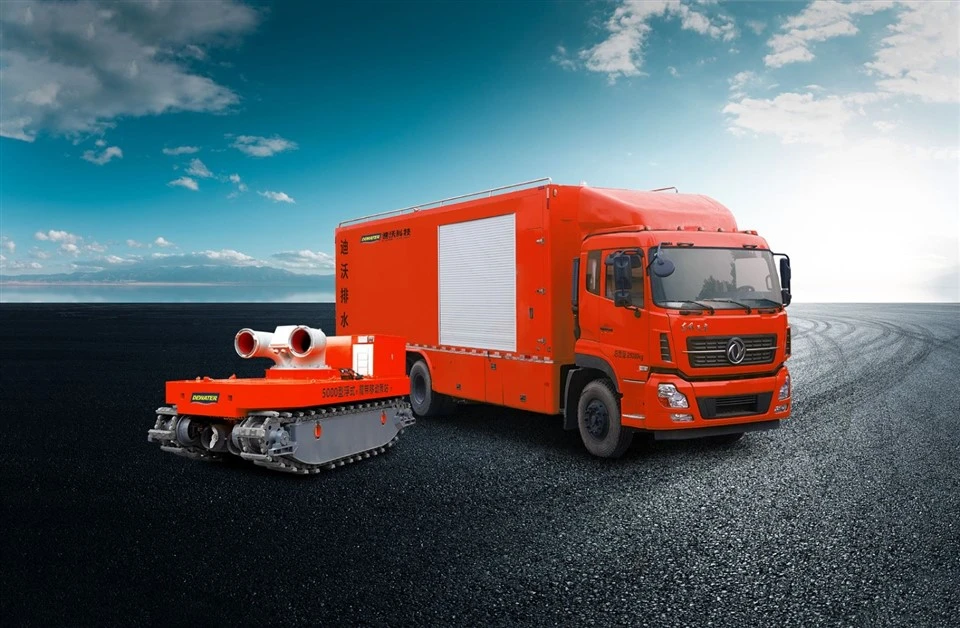
When you compare Mobile Drainage Pump Trailers with other types of drainage equipment, like Emergency Drainage Rescue Vehicle or Mobile Drainage Pump Station, they're actually quite easy to assemble.
Emergency Drainage Rescue Vehicles are often more complex because they're integrated into a vehicle chassis. They have more advanced systems and require specialized tools and knowledge for assembly. Mobile Drainage Pump Stations are usually larger and might involve more components. They might need to be installed on a fixed foundation, which can be a more involved process.
Benefits of Easy Assembly
The fact that Mobile Drainage Pump Trailers are easy to assemble brings a lot of benefits.
Quick Deployment
In emergency situations, like floods, time is of the essence. You need to get the pump up and running as fast as possible. With easy assembly, you can have the trailer operational in a short amount of time, which can save lives and property.
Cost - Effectiveness
Easy assembly means you don't need to hire a team of experts to put the trailer together. You can do it yourself or with a small group of workers, which saves on labor costs.
Flexibility
You can assemble the trailer at different locations. Whether it's on a construction site, a remote area, or near a flooded street, you can set it up wherever it's needed.

Conclusion
So, to sum it up, Mobile Drainage Pump Trailers are definitely easy to assemble. With a little bit of know - how and following the instructions, you can have your trailer up and running in no time.
If you're in the market for a Mobile Drainage Pump Trailer, or if you have any questions about the assembly process, don't hesitate to reach out. We're here to help you make the right choice and get the most out of your equipment. Let's start a conversation about your drainage needs and see how our Mobile Drainage Pump Trailers can fit into your projects.
References
- Industry knowledge and experience as a Mobile Drainage Pump Trailer supplier.
- Manufacturer's assembly instructions for Mobile Drainage Pump Trailers.