


Monitoring the operation status of a water drainage pump truck is crucial for ensuring its efficient and reliable performance, especially in critical situations such as flood control and dewatering projects. As a leading supplier of water drainage pump trucks, we understand the significance of real - time monitoring and have developed comprehensive strategies to keep track of these powerful machines.
Understanding the Key Components of a Water Drainage Pump Truck
Before delving into the monitoring process, it's essential to understand the main components of a water drainage pump truck. A typical water drainage pump truck consists of an engine, a pump, a control system, and various sensors. The engine provides the power needed to drive the pump, which is responsible for moving water from one place to another. The control system manages the operation of the pump and other components, while sensors collect data on different parameters such as pressure, temperature, and flow rate.
Real - Time Monitoring of Engine Parameters
The engine is the heart of a water drainage pump truck, and monitoring its parameters is of utmost importance. We use advanced sensors to continuously measure the engine's temperature, oil pressure, and RPM (revolutions per minute). High engine temperature can indicate a cooling system problem, which, if not addressed promptly, can lead to engine failure. Similarly, low oil pressure can cause excessive wear and tear on engine components. By monitoring the RPM, we can ensure that the engine is operating within its optimal range, maximizing fuel efficiency and performance.
Pump Performance Monitoring
The pump is the primary component responsible for water drainage. To monitor its performance, we focus on parameters such as flow rate, pressure, and efficiency. Flow rate indicates how much water the pump can move in a given period. A decrease in flow rate may suggest a blockage in the pump or the intake pipe. Pressure is another critical parameter. Too high or too low pressure can affect the pump's performance and may even cause damage. We use pressure sensors to ensure that the pump is operating at the correct pressure. Efficiency is calculated by comparing the power input to the pump with the amount of water it moves. Monitoring efficiency helps us identify any inefficiencies in the pump's operation and take corrective actions.
Control System and Sensor Checks
The control system of a water drainage pump truck plays a vital role in coordinating the operation of all components. Regular checks of the control system are necessary to ensure that it is functioning correctly. We also need to verify the accuracy of the sensors. Faulty sensors can provide incorrect data, leading to misinterpretation of the pump truck's operation status. Calibration of sensors at regular intervals is essential to maintain their accuracy.
Remote Monitoring Technology
In today's digital age, remote monitoring technology has revolutionized the way we monitor water drainage pump trucks. We offer our customers the option to use remote monitoring systems that allow them to access real - time data about the pump truck's operation from anywhere in the world. These systems use wireless communication technology to transmit data from the sensors on the pump truck to a central server. Customers can view this data on their computers or mobile devices, enabling them to make informed decisions quickly. For example, if a problem is detected, the system can send an alert to the customer's phone, allowing them to take immediate action.
Importance of Historical Data Analysis
In addition to real - time monitoring, analyzing historical data is also valuable. By looking at past operation records, we can identify patterns and trends. For instance, if we notice that the pump's efficiency has been gradually decreasing over time, we can investigate the root cause, such as wear and tear of pump components. Historical data analysis can also help us predict maintenance needs, reducing the risk of unexpected breakdowns.
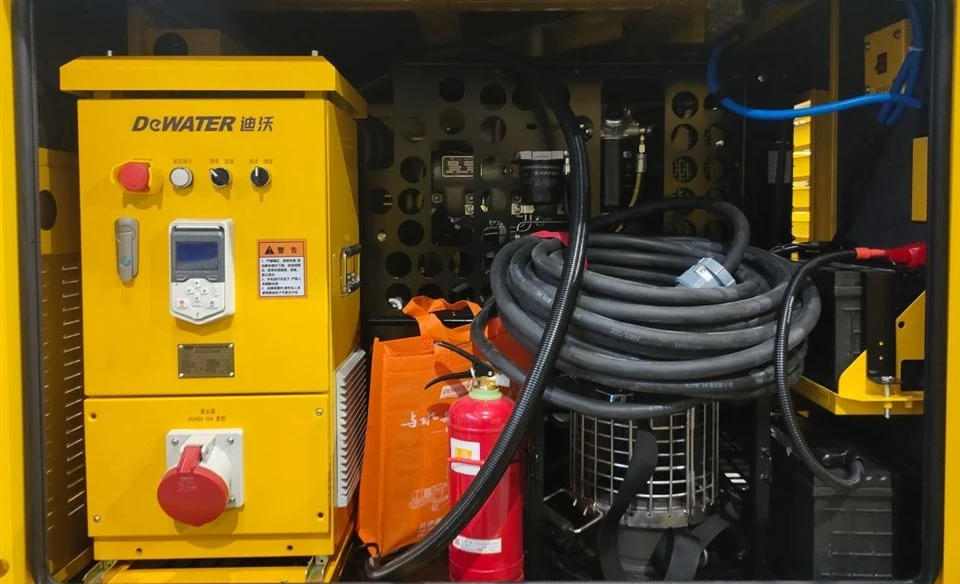

Different Types of Water Drainage Pump Trucks and Their Monitoring Specifics
We offer a variety of water drainage pump trucks, including Flooding Control Pickup, Trailer Mounted Pumps, and Dewatering Pump Truck. Each type has its own unique characteristics and monitoring requirements.
Flooding Control Pickup trucks are designed for quick response in flood situations. They are often used in urban areas where rapid water removal is needed. Monitoring these trucks requires a focus on their mobility and the ability to start up quickly. We need to ensure that the engine can be started promptly and that the pump can be operational within a short time.
Trailer Mounted Pumps are more flexible as they can be easily transported to different locations. Monitoring these pumps involves checking the connection between the trailer and the pump, as well as the stability of the trailer during operation. The mobility of these pumps also means that they may be exposed to different environmental conditions, so we need to monitor factors such as vibration and shock.
Dewatering Pump Trucks are typically used in construction sites and mines to remove water from low - lying areas. These trucks need to operate continuously for long periods. Monitoring their operation status involves paying close attention to the wear and tear of components, as well as the quality of the water being pumped. Sediment and debris in the water can cause damage to the pump, so we need to monitor the intake water quality and the performance of any pre - filtration systems.
Maintenance and Monitoring Synergy
Monitoring the operation status of a water drainage pump truck is closely related to maintenance. Regular monitoring can help us detect potential problems early, allowing us to schedule maintenance activities proactively. For example, if a sensor indicates that a particular component is approaching its wear limit, we can plan to replace it during the next maintenance cycle. This preventive approach not only reduces the risk of breakdowns but also extends the lifespan of the pump truck.
Training for Operators
Proper training for operators is essential for effective monitoring of water drainage pump trucks. Operators need to understand how to read the data from the monitoring systems and what actions to take in case of abnormal readings. We provide comprehensive training programs for our customers' operators, covering topics such as the operation of the pump truck, the use of monitoring systems, and basic troubleshooting.
Conclusion
Monitoring the operation status of a water drainage pump truck is a multi - faceted process that involves real - time data collection, analysis, and proactive maintenance. As a water drainage pump truck supplier, we are committed to providing our customers with high - quality products and comprehensive monitoring solutions. Whether you are dealing with flood control, dewatering at a construction site, or any other water - related project, our pump trucks and monitoring systems can ensure reliable and efficient operation.
If you are interested in our water drainage pump trucks and would like to learn more about our monitoring solutions, we invite you to contact us for procurement and further discussions. We are ready to provide you with the best products and services to meet your specific needs.
References
- Smith, J. (2018). Pump Technology and Monitoring. Mechanical Engineering Journal, 35(2), 123 - 135.
- Johnson, A. (2019). Remote Monitoring in Heavy Equipment. Industrial Technology Review, 42(3), 89 - 101.
- Brown, M. (2020). Maintenance Strategies for Water Drainage Equipment. Civil Engineering Quarterly, 50(1), 67 - 78.