


In the realm of disaster management, flood relief is a critical area that demands efficient and adaptable solutions. As a supplier of Mobile Flood Relief Systems, I've witnessed firsthand the diverse needs of our clients and the importance of customization in these systems. This blog post delves into the question: Can Mobile Flood Relief Systems be customized?
The Need for Customization in Mobile Flood Relief Systems
Floods are not a one - size - fits - all phenomenon. They vary in terms of scale, location, and the nature of the affected area. Urban floods, for example, may involve dealing with a high volume of water in a relatively confined space with infrastructure such as roads, buildings, and underground utilities. Rural floods, on the other hand, might require systems that can operate in more remote and less - developed areas, often with limited access to power sources.
Moreover, different industries and organizations have unique requirements when it comes to flood relief. Municipalities need systems that can quickly clear water from streets and prevent damage to public property. Construction sites may need to dewater large excavation areas to ensure the safety and progress of their projects. Industrial facilities require systems that can handle potentially contaminated water without causing environmental harm.
Given these diverse scenarios, the ability to customize Mobile Flood Relief Systems is not just a luxury but a necessity. Customization allows us to tailor the systems to the specific needs of each client, ensuring optimal performance and effectiveness in flood - prone situations.
Components of Mobile Flood Relief Systems
Before discussing customization, it's essential to understand the key components of Mobile Flood Relief Systems. These systems typically consist of pumps, power sources, hoses, and control units.
Pumps are the heart of any flood relief system. They are responsible for moving water from the flooded area to a safe discharge point. There are different types of pumps available, such as centrifugal pumps, which are suitable for large - volume water transfer, and positive displacement pumps, which are more effective in handling viscous or debris - laden water.
Power sources can be either electric or diesel - powered. Electric pumps are often used in areas with easy access to a power grid, while diesel - powered pumps offer greater mobility and can operate in remote locations where electricity is not available.
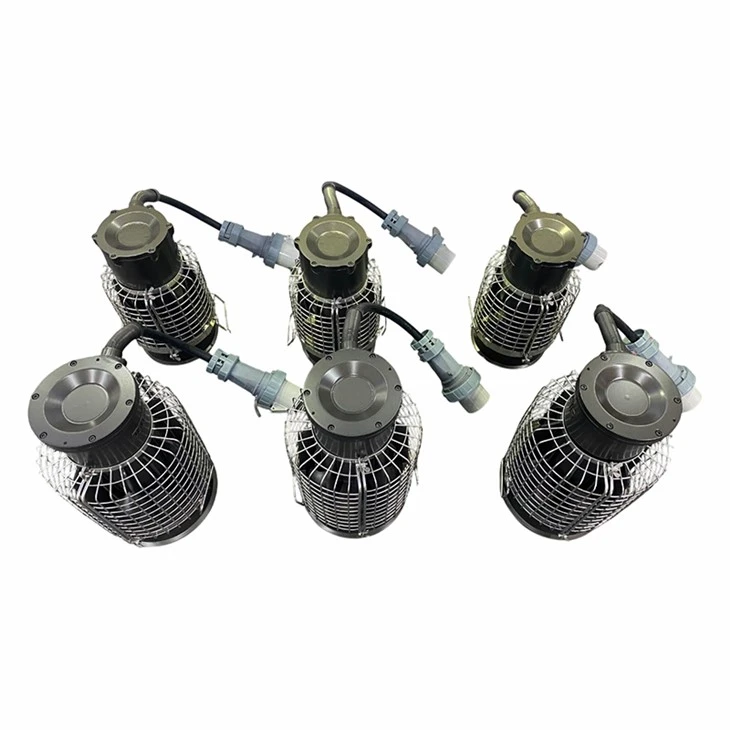

Hoses are used to connect the pumps to the water source and the discharge point. They come in various lengths, diameters, and materials, depending on the specific requirements of the application.
Control units allow operators to monitor and adjust the performance of the pumps, ensuring efficient and safe operation.
Customization Options for Mobile Flood Relief Systems
Pump Selection
One of the primary areas of customization is pump selection. As mentioned earlier, different types of pumps are suitable for different applications. For clients dealing with large - scale urban floods, we might recommend high - capacity centrifugal pumps that can quickly move large volumes of water. These pumps can be customized in terms of their flow rate, head (the height to which the water can be pumped), and power consumption.
On the other hand, for clients in industries where the water may contain debris or contaminants, positive displacement pumps might be a better choice. These pumps can be customized with features such as abrasion - resistant materials and self - priming capabilities to handle challenging conditions.
Power Source Customization
The power source can also be customized based on the client's needs. For clients in areas with reliable access to electricity, electric pumps can be a cost - effective and environmentally friendly option. We can customize the electric pumps to match the available power supply, whether it's single - phase or three - phase, and adjust the power rating as required.
For clients in remote locations or areas prone to power outages, diesel - powered pumps are the preferred choice. Diesel Drainage Pump Trucks, such as the ones available at Diesel Drainage Pump Truck, offer a high - level of mobility and can be customized with different engine sizes and fuel capacities to meet the specific requirements of the flood relief operation.
Hose and Fitting Customization
Hoses and fittings are crucial for the efficient transfer of water. We can customize the hoses in terms of their length, diameter, and material. For example, in applications where the water contains sharp objects or abrasive particles, we can provide hoses made of reinforced materials to prevent damage.
Fittings can also be customized to ensure a secure and leak - free connection between the pumps, hoses, and other components of the system. Different types of fittings, such as flanges, couplings, and adapters, can be selected based on the specific requirements of the application.
Control System Customization
The control system of a Mobile Flood Relief System can be customized to provide the client with greater flexibility and ease of operation. We can install advanced control units that allow for remote monitoring and control of the pumps. This feature is particularly useful in situations where the flooded area is dangerous or difficult to access.
The control system can also be customized to include features such as automatic start - stop functions, flow rate adjustment, and alarm systems to notify operators of any potential issues.
Case Studies: Successful Customization of Mobile Flood Relief Systems
To illustrate the effectiveness of customization, let's look at a few case studies.
Urban Municipality Project
A large urban municipality was facing frequent floods in its downtown area. The existing flood relief systems were unable to handle the high volume of water quickly enough, resulting in significant damage to public property and disruption of daily life.
We worked with the municipality to customize a Mobile Flood Relief System. We selected high - capacity centrifugal pumps with a large flow rate and high head to quickly move the water from the flooded streets to a nearby river. The pumps were powered by diesel engines to ensure mobility and reliability during power outages.
We also customized the hoses and fittings to fit the specific layout of the downtown area, ensuring a seamless connection between the pumps and the water source. The control system was customized to allow for remote monitoring and control, enabling the operators to adjust the pump performance in real - time.
As a result of the customization, the municipality was able to significantly reduce the flood response time and minimize the damage caused by floods.
Construction Site Dewatering
A construction company was working on a large excavation project in an area with a high water table. The site was constantly flooded, which was delaying the construction progress and posing a safety risk to the workers.
We provided a customized Mobile Flood Relief System based on the specific requirements of the construction site. We selected positive displacement pumps that were capable of handling the viscous soil and water mixture present at the site. The pumps were powered by electric motors, as the construction site had access to a reliable power supply.
The hoses were customized to be long enough to reach the deepest parts of the excavation, and the control system was set up to automatically start and stop the pumps based on the water level in the excavation.
Thanks to the customized system, the construction company was able to keep the excavation site dry, ensuring the safety of the workers and the timely completion of the project.
Conclusion
In conclusion, Mobile Flood Relief Systems can and should be customized to meet the diverse needs of clients. The ability to customize these systems allows us to provide solutions that are tailored to the specific requirements of each flood - prone situation, whether it's an urban flood, a rural flood, or a dewatering project at a construction site.
As a supplier of Mobile Flood Relief Systems, we are committed to providing our clients with the highest level of customization and service. We understand that every flood relief project is unique, and we work closely with our clients to design and build systems that meet their exact needs.
If you are in need of a Mobile Flood Relief System or have specific requirements for flood relief, we invite you to contact us for a consultation. Our team of experts will work with you to develop a customized solution that ensures the efficient and effective management of floods.
References
- American Society of Civil Engineers. (2020). Flood Risk Management Guidelines.
- International Organization for Standardization. (2019). ISO 24517 - 1:2019 Earth - moving machinery — Mobile dewatering pumps — Part 1: Terminology and commercial specifications.
- United Nations Office for Disaster Risk Reduction. (2021). Global Assessment Report on Disaster Risk Reduction.