



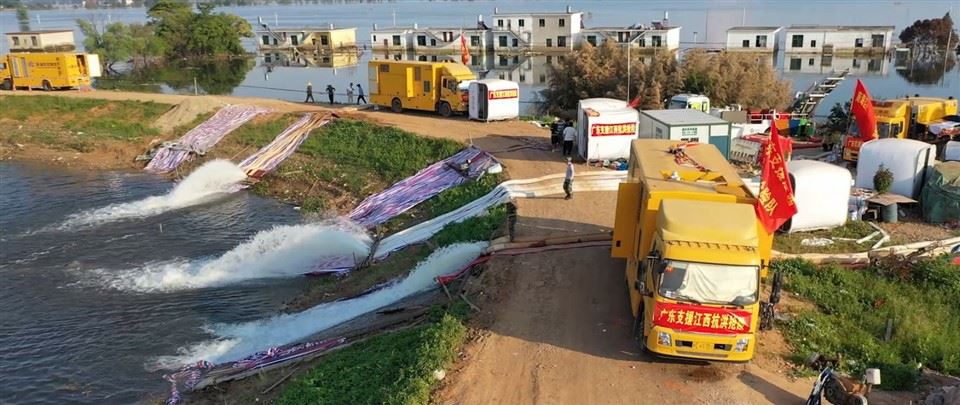
Maintaining a mobile drainage pump station is crucial for ensuring its optimal performance, reliability, and longevity. As a leading supplier of Mobile Pump Station, Emergency Water Rescue Pickup, and Water Drainage Pump Truck, I understand the significance of proper maintenance. In this blog post, I will share some essential tips on how to maintain a mobile drainage pump station effectively.
Regular Inspections
Regular inspections are the cornerstone of a comprehensive maintenance plan. Conduct visual inspections of the pump station at least once a week, or more frequently if it is in heavy use. Check for any signs of damage, leaks, or wear and tear. Pay close attention to the pump, motor, pipes, valves, and electrical components. Look for loose connections, corrosion, and abnormal vibrations.
Inspect the pump impeller for any debris or blockages. Clean the impeller regularly to prevent clogs and ensure efficient operation. Check the pump seals for leaks and replace them if necessary. Inspect the motor for proper lubrication and cooling. Ensure that the motor is running smoothly and that the electrical connections are secure.
Lubrication
Proper lubrication is essential for the smooth operation of the pump and motor. Follow the manufacturer's recommendations for lubrication intervals and use the recommended lubricants. Over-lubrication can cause damage to the seals and bearings, while under-lubrication can lead to increased friction and wear.
Check the oil levels in the pump and motor regularly. If the oil level is low, add the recommended oil. Change the oil at the recommended intervals to prevent contamination and ensure optimal performance. Inspect the lubrication system for any leaks or blockages.
Cleaning
Keeping the pump station clean is essential for preventing corrosion, clogs, and other problems. Clean the pump station regularly, especially after heavy use or in dirty environments. Use a mild detergent and water to clean the exterior of the pump station. Avoid using abrasive cleaners or solvents that can damage the paint or surface.
Clean the intake and discharge pipes to prevent blockages. Use a brush or a high-pressure water jet to remove any debris or sediment. Inspect the strainer or filter regularly and clean or replace it as needed. A clogged strainer or filter can reduce the pump's efficiency and cause damage to the impeller.

Electrical System Maintenance
The electrical system is a critical component of the mobile drainage pump station. Ensure that all electrical connections are tight and secure. Check the wiring for any signs of damage or wear. Inspect the circuit breakers and fuses regularly to ensure that they are functioning properly.
Test the electrical system regularly to ensure that it is operating within the recommended parameters. Use a multimeter to check the voltage, current, and resistance. If you notice any abnormal readings, consult a qualified electrician.
Pump Performance Testing
Regularly test the performance of the pump to ensure that it is operating at its optimal level. Measure the flow rate and pressure of the pump using a flow meter and a pressure gauge. Compare the readings to the manufacturer's specifications. If the readings are below the recommended levels, there may be a problem with the pump or the system.
Perform a pump curve test to determine the pump's performance characteristics. This test involves measuring the flow rate and pressure at different operating points. The results of the pump curve test can help you identify any issues with the pump and make any necessary adjustments.
Emergency Preparedness
In addition to regular maintenance, it is important to be prepared for emergencies. Develop an emergency response plan that outlines the steps to take in the event of a pump failure or other emergency. Ensure that all personnel are trained on the emergency response plan and know how to operate the emergency equipment.
Keep a supply of spare parts on hand, such as impellers, seals, bearings, and belts. This will help you minimize downtime in the event of a breakdown. Regularly test the emergency equipment, such as the backup generator and the emergency shut-off switch, to ensure that it is functioning properly.
Record Keeping
Maintaining accurate records of all maintenance activities is essential for tracking the performance of the pump station and ensuring that all maintenance tasks are completed on schedule. Keep a log of all inspections, lubrication, cleaning, and repairs. Include the date, time, and details of each maintenance activity.
Use the records to identify any trends or patterns in the pump station's performance. This can help you predict potential problems and take proactive measures to prevent them. The records can also be used to demonstrate compliance with regulatory requirements and insurance policies.
Training and Education
Proper training and education are essential for ensuring that all personnel responsible for operating and maintaining the mobile drainage pump station have the knowledge and skills necessary to perform their tasks safely and effectively. Provide comprehensive training on the operation, maintenance, and safety procedures of the pump station.
Encourage personnel to stay up-to-date with the latest industry trends and best practices. Provide opportunities for continuing education and professional development. This will help ensure that your team is well-equipped to handle any challenges that may arise.
Conclusion
Maintaining a mobile drainage pump station is a complex and ongoing process that requires a commitment to regular inspections, lubrication, cleaning, electrical system maintenance, pump performance testing, emergency preparedness, record keeping, and training and education. By following these tips, you can ensure that your pump station operates at its optimal level, provides reliable service, and has a long lifespan.
If you are in the market for a mobile drainage pump station or need assistance with maintenance or repair, please do not hesitate to contact us. We are a leading supplier of high-quality Mobile Pump Station, Emergency Water Rescue Pickup, and Water Drainage Pump Truck, and we are committed to providing our customers with the best products and services. Contact us today to learn more about our products and how we can help you meet your drainage needs.
References
- Manufacturer's manuals and technical documentation
- Industry standards and best practices
- Professional journals and publications related to pump maintenance and operation