


Hey there! I'm a supplier of Traction Large Flow Pumps, and I'm stoked to share with you how to install one of these bad boys. Whether you're dealing with fire water supply, flood control, or drought emergency water supply, a Traction Large Flow Pump can be a real game - changer. So, let's dive right in!
Pre - installation Checks
Before you even think about getting your hands dirty with the installation, there are a few things you gotta check. First off, make sure you've got the right pump for the job. We offer different models, like the Fire Water Supply Pump, Submersible Pump For Flood Control, and Drought Emergency Water Supply Pump. Each has its own unique features and is designed for specific applications.
Inspect the pump thoroughly for any visible damage. Check the casing, impeller, and all the connections. If you find anything that looks off, give us a shout right away. Also, gather all the necessary tools. You'll need things like wrenches, screwdrivers, and maybe a level to make sure the pump is installed straight.
Site Preparation
Picking the right spot for your pump is crucial. The area should be flat and stable. If it's outdoors, make sure it's protected from the elements as much as possible. You don't want your pump getting all wet and rusty. Clear the area of any debris, rocks, or other junk that could interfere with the installation.
If you're installing the pump near a water source, measure the distance and make sure you've got enough hose or piping to reach it. Also, consider the height difference between the pump and the water source. Gravity plays a big role here, and you don't want to end up with a pump that can't suck up water because it's too high.
Mounting the Pump
Once you've got the site ready, it's time to mount the pump. Most Traction Large Flow Pumps come with mounting brackets. Use your wrenches to secure the pump to the mounting surface. Make sure it's tight and won't wiggle around. You can use a level to double - check that the pump is perfectly horizontal. This is important because an unevenly mounted pump can cause vibrations, which can lead to premature wear and tear.
If you're mounting the pump on a platform or a base, make sure it's strong enough to support the weight of the pump. You don't want the whole thing collapsing under the pump's weight. And if you're using bolts to secure the pump, make sure they're the right size and grade for the job.
Connecting the Piping
Now it's time to connect the piping. Start by attaching the suction pipe to the pump's inlet. Make sure the connection is tight and leak - free. You can use gaskets or sealants to ensure a good seal. The suction pipe should be as short and straight as possible to minimize friction losses.
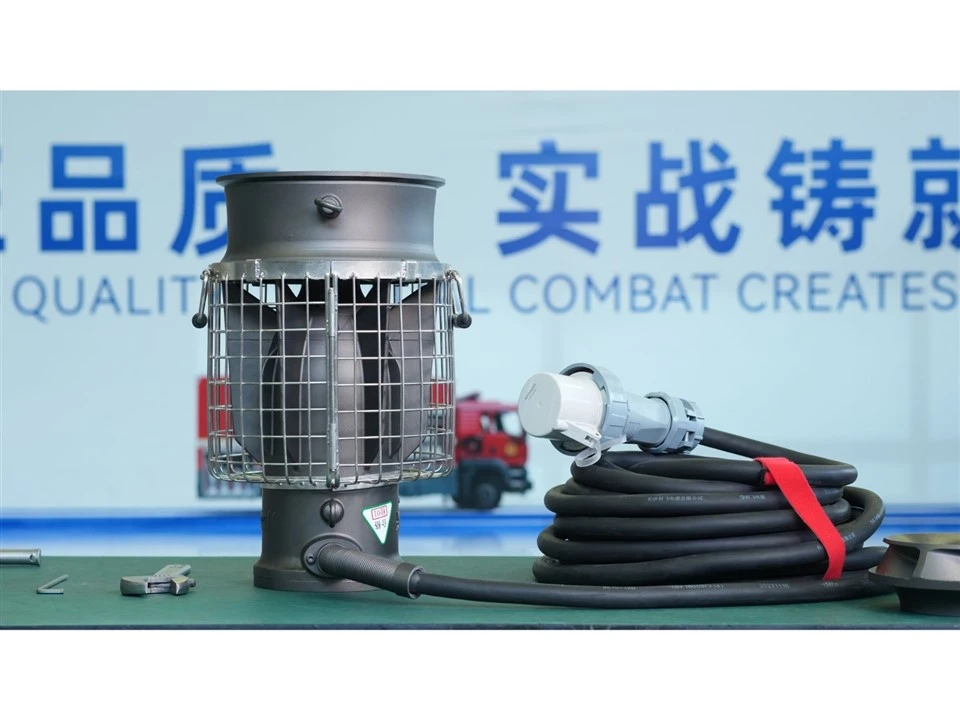
Next, connect the discharge pipe to the pump's outlet. Again, check for leaks and make sure the connection is secure. You might need to use some elbows or fittings to route the discharge pipe to the desired location. Just be careful not to create too many bends or kinks in the pipe, as this can also reduce the pump's efficiency.
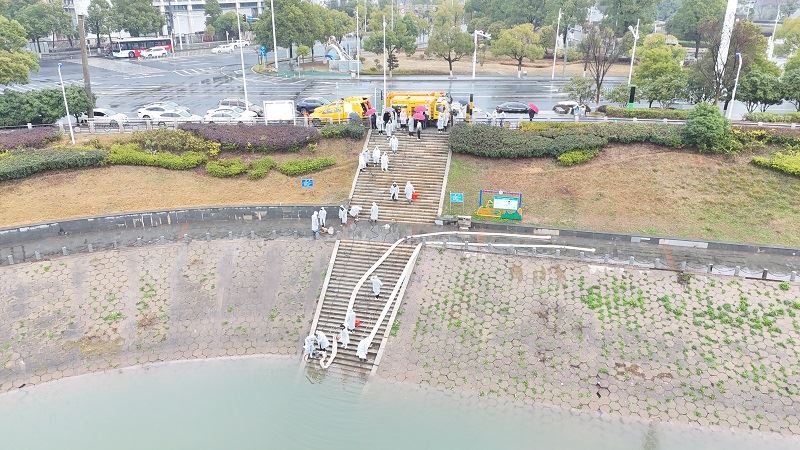
Electrical Connections
If your Traction Large Flow Pump is electrically powered, this part is super important. First, make sure you've got the right power supply. Check the pump's specifications to see what voltage and amperage it requires. Don't try to use a power source that's not compatible - it could damage the pump or even pose a safety hazard.
Before making any electrical connections, turn off the power at the main breaker. This is a no - brainer for safety reasons. Then, connect the pump's electrical wires to the appropriate terminals. Make sure the connections are tight and insulated properly. You can use wire nuts or electrical tape to secure the connections.
After you've made the connections, double - check everything. Make sure there are no loose wires or exposed conductors. Then, turn the power back on and test the pump. If it doesn't start up right away, don't panic. Check the electrical connections again and make sure the pump is properly grounded.
Priming the Pump
Priming is an important step, especially for pumps that are used to lift water from a lower level. To prime the pump, fill the pump casing and the suction pipe with water. This helps to create a vacuum that allows the pump to draw water in. Some pumps have a built - in priming system, while others require manual priming.
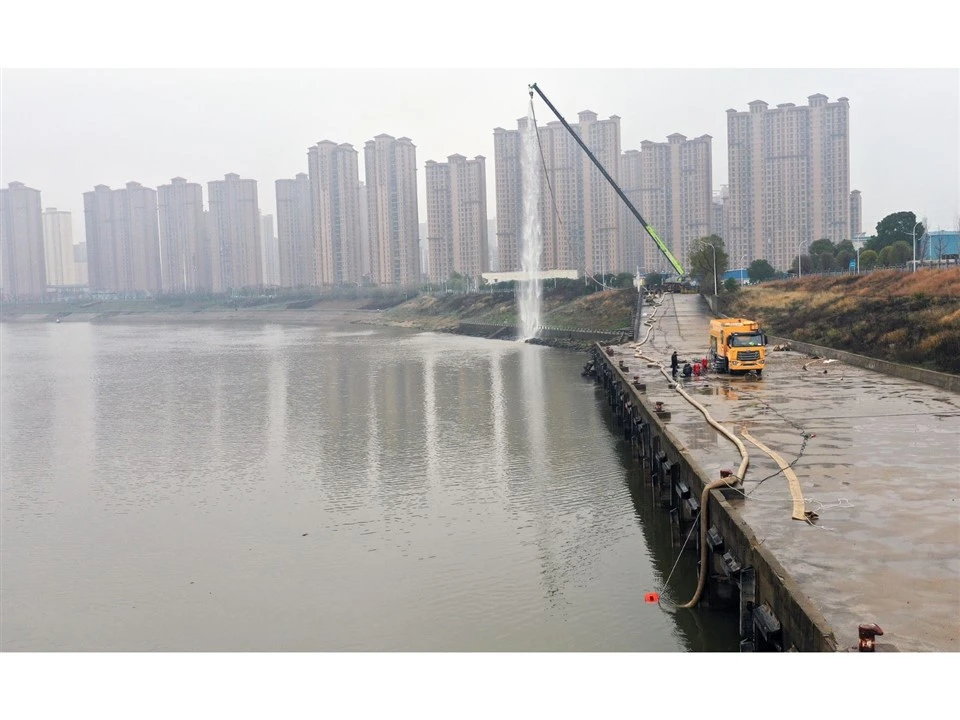
If you're manually priming the pump, open the priming port and pour water into the pump until it's full. Then, close the priming port and start the pump. The pump should start drawing water once it's properly primed. If it doesn't, you might need to check for air leaks in the suction pipe or make sure the water level in the source is high enough.
Testing and Commissioning
Once you've installed and primed the pump, it's time to test it. Start the pump and let it run for a few minutes. Listen for any strange noises or vibrations. If you hear anything that sounds off, stop the pump immediately and check for problems.
Check the pressure and flow rate of the water coming out of the discharge pipe. Make sure it matches the pump's specifications. If the pressure or flow rate is too low, there could be a blockage in the piping or a problem with the pump itself.
After the initial test, let the pump run for a longer period, say 30 minutes to an hour. This will give you a better idea of how the pump performs under normal operating conditions. Monitor the pump closely during this time and make any necessary adjustments.
Maintenance Tips
Now that your Traction Large Flow Pump is up and running, it's important to keep it in good shape. Regular maintenance can extend the life of the pump and prevent costly breakdowns.
Check the pump's oil level regularly if it has an oil - lubricated motor. Change the oil according to the manufacturer's recommendations. Also, inspect the pump's filters and clean or replace them as needed. A clogged filter can reduce the pump's efficiency and cause it to overheat.
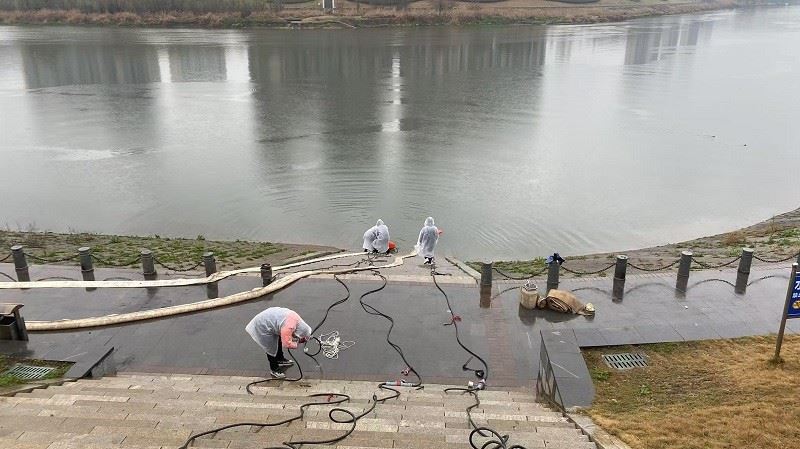
Keep an eye on the pump's seals and gaskets. If you notice any leaks, replace the seals or gaskets right away. This will prevent water from getting into the pump's motor and causing damage.
And finally, don't forget to lubricate the pump's moving parts. This will reduce friction and wear, and keep the pump running smoothly.
Conclusion
Installing a Traction Large Flow Pump might seem like a daunting task, but if you follow these steps, you'll be good to go. Remember, we're here to support you every step of the way. Whether you've got questions about the installation process or need help with maintenance, just reach out to us.
If you're in the market for a Traction Large Flow Pump or any of our other products like the Fire Water Supply Pump, Submersible Pump For Flood Control, or Drought Emergency Water Supply Pump, we'd love to talk to you. Contact us to discuss your requirements and get a quote. Let's work together to find the perfect pumping solution for you!
References
- Pump Installation Manuals provided by the manufacturer.
- Industry best practices for pump installation and maintenance.