


As a supplier of Mobile Flooding Pumps, I often get asked the question: "How far can a mobile flooding pump discharge water?" This is a crucial question, especially for those dealing with flood control, emergency dewatering, and other water management scenarios. In this blog, I'll delve into the factors that determine the discharge distance of a mobile flooding pump and provide some insights based on my experience in the industry.
Understanding Mobile Flooding Pumps
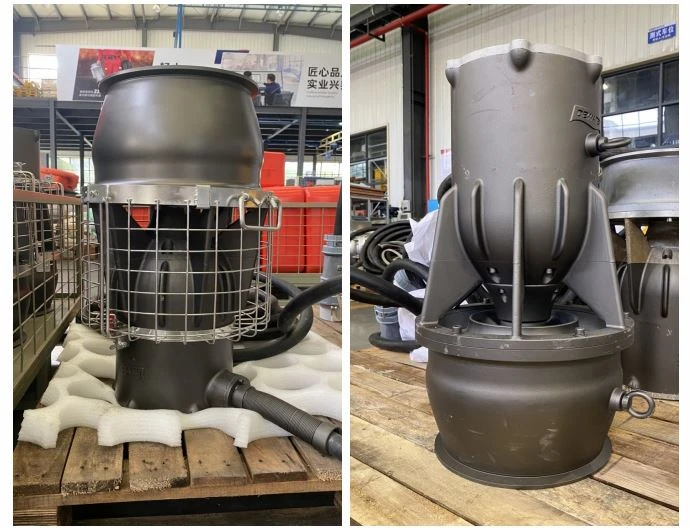
Before we discuss the discharge distance, let's first understand what a Mobile Flooding Pump is. These pumps are designed to be portable and are used in various applications, such as draining flooded areas, removing water from construction sites, and providing emergency water supply. They are typically powered by diesel engines, which makes them suitable for use in remote locations where electricity may not be available.
There are also other types of pumps that are similar to mobile flooding pumps, such as Emergency Dewatering Pump and Diesel Flood Control Pump. While they may have some differences in design and functionality, they all share the common goal of moving water efficiently.
Factors Affecting Discharge Distance
The discharge distance of a mobile flooding pump depends on several factors, including the pump's power, the diameter of the discharge pipe, the type of fluid being pumped, and the elevation difference between the pump and the discharge point. Let's take a closer look at each of these factors:
Pump Power
The power of the pump is one of the most important factors affecting the discharge distance. A more powerful pump can generate higher pressure, which allows it to push the water further. The power of a pump is usually measured in horsepower (HP) or kilowatts (kW). Generally, the higher the power of the pump, the greater the discharge distance.
Discharge Pipe Diameter
The diameter of the discharge pipe also plays a significant role in determining the discharge distance. A larger diameter pipe allows for a greater flow rate of water, which can increase the discharge distance. However, it's important to note that a larger diameter pipe also requires more power to operate. Therefore, it's essential to choose the right pipe diameter based on the pump's power and the specific application.
Type of Fluid
The type of fluid being pumped can also affect the discharge distance. For example, water is less viscous than other fluids, such as sludge or sewage, which means it can flow more easily through the pump and the discharge pipe. As a result, a pump can usually discharge water further than other types of fluids.
Elevation Difference
The elevation difference between the pump and the discharge point is another important factor. If the discharge point is higher than the pump, the pump will need to work harder to overcome the gravitational force and push the water uphill. This can reduce the discharge distance. On the other hand, if the discharge point is lower than the pump, the water can flow more easily, which can increase the discharge distance.
Calculating Discharge Distance
Calculating the exact discharge distance of a mobile flooding pump can be complex, as it depends on multiple factors. However, there are some general guidelines that can help you estimate the discharge distance.
One common method is to use the pump's head and flow rate data. The head of a pump refers to the maximum height that the pump can lift the water, while the flow rate refers to the volume of water that the pump can discharge per unit of time. By using these two parameters, you can calculate the approximate discharge distance using the following formula:
[ D = \frac{H}{S} ]
Where:

- ( D ) is the discharge distance
- ( H ) is the head of the pump
- ( S ) is the slope of the discharge pipe
It's important to note that this formula provides only an estimate, and the actual discharge distance may vary depending on the specific conditions.
Real-World Applications
In real-world applications, the discharge distance of a mobile flooding pump can vary widely. For example, in a flood control scenario, a pump may need to discharge water over a long distance to a nearby river or drainage system. In this case, a high-power pump with a large diameter discharge pipe may be required to achieve the desired discharge distance.
On the other hand, in a construction site dewatering application, the discharge distance may be relatively short, as the water can be discharged directly into a nearby storm drain or retention pond. In this case, a smaller pump with a smaller diameter discharge pipe may be sufficient.
Choosing the Right Pump for Your Needs
When choosing a mobile flooding pump, it's important to consider your specific needs and requirements. Here are some tips to help you choose the right pump:
- Determine the required discharge distance: Based on your application, determine the minimum discharge distance that you need. This will help you narrow down your options and choose a pump with the appropriate power and capabilities.
- Consider the flow rate: In addition to the discharge distance, you also need to consider the flow rate of the pump. The flow rate refers to the volume of water that the pump can discharge per unit of time. Make sure to choose a pump with a flow rate that is sufficient for your needs.
- Evaluate the power source: Mobile flooding pumps can be powered by diesel engines, electric motors, or other sources. Consider the availability of power in your location and choose a pump with a power source that is suitable for your needs.
- Check the pump's features and specifications: Look for a pump that has the features and specifications that you need, such as a self-priming function, a high-efficiency impeller, and a durable construction.
Contact Us for More Information
If you're in the market for a mobile flooding pump and have any questions or need further assistance, please don't hesitate to contact us. Our team of experts is always ready to help you choose the right pump for your needs and provide you with the best possible solution. Whether you need a Mobile Flooding Pump, an Emergency Dewatering Pump, or a Diesel Flood Control Pump, we have the expertise and experience to meet your requirements.
References
- "Pump Handbook" by Igor Karassik et al.
- "Fluid Mechanics" by Frank M. White.
- Industry standards and guidelines for mobile flooding pumps.