


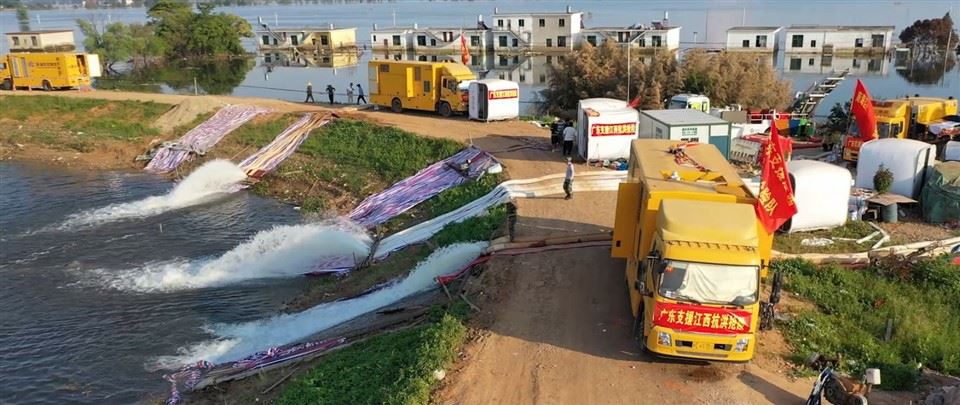
Deep-well dewatering is a critical process in various industries, including construction, mining, and environmental management. A dewatering pump truck plays a pivotal role in this process, efficiently removing water from deep wells to ensure a dry and safe working environment. As a trusted Dewatering Pump Truck supplier, I understand the importance of optimizing the performance of these vehicles to meet the diverse needs of our customers. In this blog post, I will share some valuable insights on how to improve the performance of a dewatering pump truck for deep-well dewatering.
1. Select the Right Pump Truck
The first step in enhancing the performance of a dewatering pump truck is to choose the right model for the specific application. Consider the following factors when making your selection:
- Flow Rate: Determine the required flow rate based on the volume of water that needs to be removed from the well. A higher flow rate is essential for large-scale dewatering projects.
- Head Pressure: The head pressure refers to the height that the pump can lift the water. Ensure that the pump truck has sufficient head pressure to reach the desired depth of the well.
- Pump Type: There are different types of pumps available, such as centrifugal pumps, submersible pumps, and positive displacement pumps. Each type has its own advantages and disadvantages, so choose the one that best suits your needs.
- Vehicle Compatibility: Make sure that the pump truck is compatible with the vehicle chassis. Consider the weight, size, and power requirements of the pump when selecting the vehicle.
By carefully considering these factors, you can ensure that the dewatering pump truck you choose is capable of delivering optimal performance in deep-well dewatering applications.
2. Regular Maintenance and Inspection
Regular maintenance and inspection are crucial for keeping the dewatering pump truck in good working condition. Here are some key maintenance tasks that should be performed on a regular basis:
- Lubrication: Ensure that all moving parts of the pump, such as bearings and seals, are properly lubricated. This helps to reduce friction and wear, extending the lifespan of the pump.
- Filter Cleaning: Clean or replace the filters regularly to prevent clogging and ensure proper flow of water through the pump.
- Seal Inspection: Check the seals for any signs of leakage or damage. Replace the seals if necessary to prevent water from leaking into the pump and causing damage.
- Electrical System Check: Inspect the electrical system of the pump truck, including the wiring, switches, and motors. Look for any loose connections, frayed wires, or signs of overheating.
- Pump Alignment: Ensure that the pump is properly aligned with the motor. Misalignment can cause excessive vibration and premature wear of the pump components.
In addition to regular maintenance, it is also important to conduct periodic inspections of the dewatering pump truck. This allows you to identify any potential issues early on and take corrective action before they escalate into major problems.
3. Optimize Pump Operation
Proper operation of the dewatering pump truck is essential for achieving optimal performance. Here are some tips to help you optimize the operation of the pump:
- Start and Stop Procedures: Follow the manufacturer's recommended start and stop procedures for the pump. This helps to prevent damage to the pump and ensure smooth operation.
- Monitor Pump Performance: Keep an eye on the pump performance indicators, such as flow rate, pressure, and temperature. Any significant changes in these indicators may indicate a problem with the pump.
- Adjust Pump Settings: Depending on the specific requirements of the dewatering project, you may need to adjust the pump settings, such as the speed and pressure. Consult the pump manual or a qualified technician for guidance on how to make these adjustments.
- Avoid Dry Running: Never run the pump without water. Dry running can cause overheating and damage to the pump components. Make sure that there is always sufficient water in the well before starting the pump.
By following these tips, you can ensure that the dewatering pump truck is operated efficiently and effectively, maximizing its performance in deep-well dewatering applications.
4. Upgrade Pump Components
Upgrading the pump components can significantly improve the performance of the dewatering pump truck. Here are some components that you may consider upgrading:
- Impellers: Upgrading to high-efficiency impellers can increase the flow rate and head pressure of the pump, improving its overall performance.
- Seals and Gaskets: Installing high-quality seals and gaskets can prevent leakage and improve the reliability of the pump.
- Motors: Upgrading to a more powerful motor can provide the pump with the necessary power to handle larger volumes of water and higher head pressures.
- Control Systems: Installing advanced control systems can allow for more precise control of the pump operation, improving its efficiency and performance.
When upgrading the pump components, it is important to choose high-quality parts that are compatible with the pump truck. Consult with a qualified technician or the pump manufacturer for recommendations on the best components to use.
5. Train Operators
Proper training of the pump truck operators is essential for ensuring safe and efficient operation of the equipment. Here are some key areas that should be covered in the operator training:
- Pump Operation: Train the operators on how to start, stop, and operate the pump safely and effectively. Teach them how to monitor the pump performance indicators and make adjustments as needed.
- Maintenance Procedures: Provide the operators with training on the regular maintenance procedures for the pump truck, such as lubrication, filter cleaning, and seal inspection.
- Safety Procedures: Train the operators on the safety procedures for working with the pump truck, including the proper use of personal protective equipment (PPE) and the handling of hazardous materials.
- Emergency Response: Teach the operators how to respond to emergencies, such as pump failures, leaks, or electrical problems. Provide them with clear instructions on what to do in case of an emergency.
By providing comprehensive training to the pump truck operators, you can ensure that they have the knowledge and skills necessary to operate the equipment safely and efficiently, improving the overall performance of the dewatering pump truck.
6. Utilize Advanced Technologies
The use of advanced technologies can further enhance the performance of the dewatering pump truck. Here are some technologies that you may consider implementing:
- Remote Monitoring and Control: Install remote monitoring and control systems that allow you to monitor the pump performance and make adjustments from a remote location. This can help you to optimize the pump operation and respond quickly to any issues.
- Automation: Automate the pump operation using programmable logic controllers (PLCs) or other automation technologies. This can reduce the need for manual intervention and improve the efficiency of the dewatering process.
- Data Analytics: Use data analytics tools to analyze the pump performance data and identify trends and patterns. This can help you to optimize the pump operation and predict potential problems before they occur.
- Energy Efficiency Technologies: Implement energy efficiency technologies, such as variable frequency drives (VFDs), to reduce the energy consumption of the pump truck. This can help you to save on operating costs and reduce your environmental impact.
By leveraging these advanced technologies, you can take the performance of the dewatering pump truck to the next level, improving its efficiency, reliability, and sustainability.

Conclusion
Improving the performance of a dewatering pump truck for deep-well dewatering requires a comprehensive approach that includes selecting the right pump truck, regular maintenance and inspection, optimizing pump operation, upgrading pump components, training operators, and utilizing advanced technologies. By following these tips, you can ensure that your dewatering pump truck is capable of delivering optimal performance in deep-well dewatering applications, helping you to achieve your project goals safely and efficiently.
If you are interested in learning more about our dewatering pump trucks or have any questions about improving their performance, please feel free to contact us for a consultation. We are a leading Dewatering Pump Truck supplier with a wide range of high-quality products and solutions to meet your specific needs. We look forward to working with you to improve the performance of your dewatering operations.
References
- American Petroleum Institute. (2019). API RP 11S2: Recommended Practice for Sucker Rod Pumping Systems.
- Hydraulic Institute. (2016). ANSI/HI 9.6.7: Rotodynamic Pumps - Guideline for NPSH Margin.
- International Electrotechnical Commission. (2019). IEC 60034-1: Rotating Electrical Machines - Part 1: Rating and Performance.