



Hey there! As a supplier of mobile pumping stations, I often get asked a wide range of questions from our customers. One question that's popped up quite a bit lately is, "Can a mobile pumping station be used for hot water pumping?" Well, let's dig into this topic and find out.
First off, let's understand what a mobile pumping station is. It's a versatile piece of equipment that can be easily transported to different locations. These stations come in various sizes and configurations, and they're typically used for tasks like water drainage during floods, construction site de - watering, and other similar jobs. We've got some great options like the Flood Control Pump Truck, Engineering Water Drainage Rescue Vehicles, and Mobile Flood Pump Trailer that have been really popular among our clients.
Now, onto the main question. Can it pump hot water? The short answer is, it depends. There are a few factors that come into play when considering using a mobile pumping station for hot water.
Temperature Tolerance
One of the most crucial factors is the temperature tolerance of the pump. Most standard mobile pumping stations are designed to handle water at normal ambient temperatures. The materials used in the construction of the pump, such as seals, gaskets, and impellers, are selected based on the assumption that they'll be in contact with relatively cool water.
If the water temperature gets too high, these materials can start to degrade. For example, rubber seals might become soft and lose their ability to create a proper seal, which can lead to leaks. Similarly, some plastics used in the pump components can warp or melt at high temperatures.
However, some specialized mobile pumping stations are built with high - temperature - resistant materials. These pumps can handle water temperatures that are significantly higher than the standard ones. If you're dealing with hot water, it's essential to check the manufacturer's specifications to see what the maximum temperature the pump can handle is.
Viscosity Changes
Hot water has different physical properties compared to cold water. One of the significant differences is viscosity. As water gets hotter, its viscosity decreases. This might seem like a good thing at first, as lower viscosity means less resistance to flow. But it can also cause issues.
The impellers in a pump are designed to work with a specific viscosity range. When the viscosity changes, the pump's performance can be affected. The pump might not be able to generate the same amount of pressure or flow rate as it would with cold water. In some cases, it could even lead to cavitation. Cavitation occurs when the pressure in the pump drops to a point where the water vaporizes, forming bubbles. When these bubbles collapse, they can cause damage to the impeller and other internal components of the pump.
Corrosion and Scaling
Hot water can be more corrosive than cold water. The higher temperature speeds up chemical reactions, which can lead to faster corrosion of the pump's metal parts. Additionally, hot water can cause minerals in the water to precipitate out and form scale. Scale buildup on the pump's internal surfaces can reduce the flow area, decrease the pump's efficiency, and even cause blockages.
To combat corrosion, some pumps are made from corrosion - resistant materials like stainless steel or coated with special anti - corrosion coatings. For scale prevention, water treatment might be necessary. This could involve using chemicals to prevent mineral precipitation or installing a water softener upstream of the pump.
Applications Where Hot Water Pumping Might Be Needed
There are actually several scenarios where you might need to pump hot water using a mobile pumping station. In industrial settings, for example, there could be a need to transfer hot water from one process to another during a maintenance shutdown or an emergency situation. In some large - scale heating systems, if there's a problem with the fixed pumping infrastructure, a mobile pumping station could be brought in as a temporary solution to circulate the hot water.
Making the Right Choice
If you're in a situation where you need to pump hot water, here's what you should do. First, assess the temperature of the hot water. If it's only slightly above normal, a standard pump might work, but you should still keep an eye on its performance. If the water is very hot, look for a specialized pump that's designed for high - temperature applications.
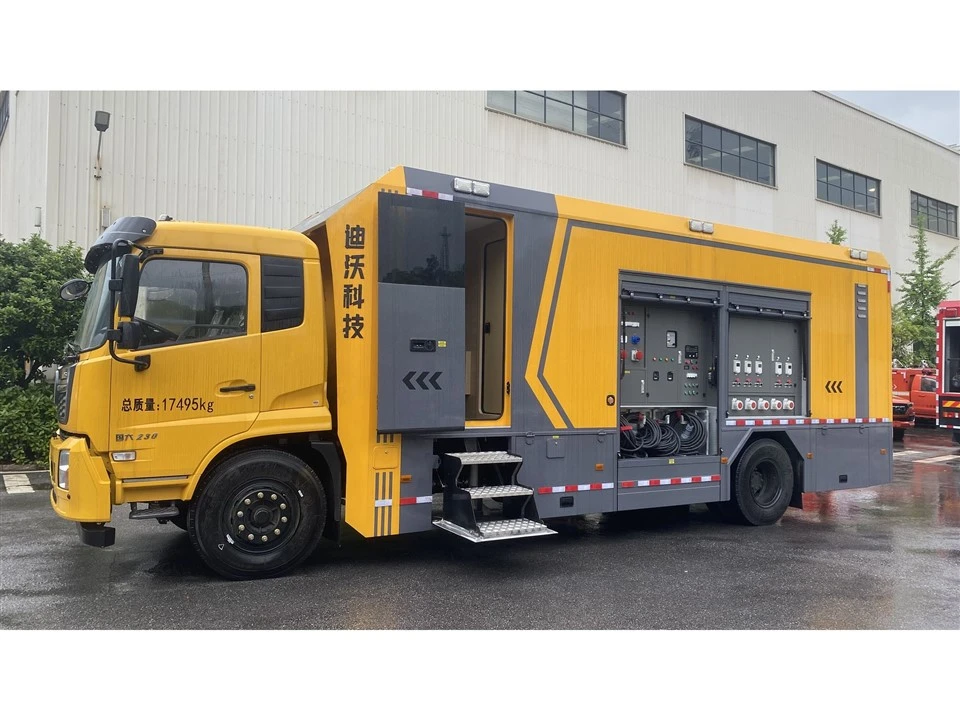
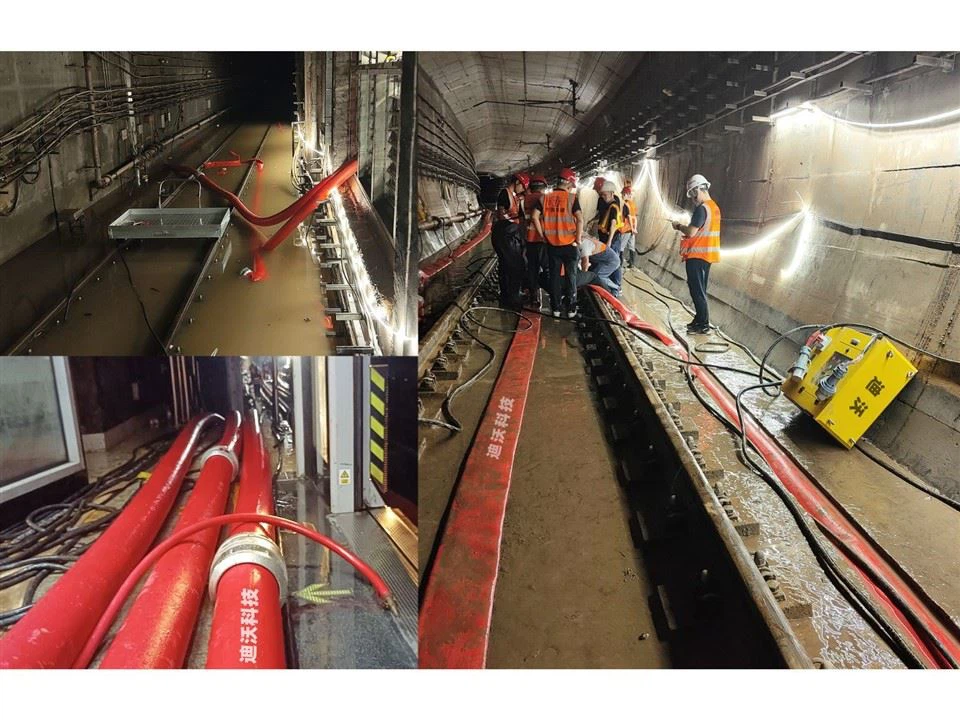
You also need to consider the volume of water you need to pump and the distance it needs to be transported. These factors will determine the size and power of the pump you require.
It's always a good idea to consult with an expert. At our company, we've got a team of experienced technicians who can help you choose the right mobile pumping station for your hot water pumping needs. We can analyze your specific situation, take into account all the factors I've mentioned, and recommend the best solution.
Contact Us for Your Pumping Needs
If you're thinking about purchasing a mobile pumping station for hot water pumping or any other application, we'd love to hear from you. Whether you're dealing with a one - time emergency or need a long - term solution, we've got the products and expertise to meet your requirements. Just reach out to us, and we'll start the conversation about finding the perfect pump for you.
References
- "Pump Handbook" by Igor J. Karassik et al.
- Technical documents from various pump manufacturers.