


As a supplier of mobile drainage pumps, I understand the importance of having reliable support from the manufacturer. Whether you're facing technical issues, need spare parts, or require customization, establishing a good connection with the manufacturer can make all the difference. In this blog, I'll share some effective ways to contact the manufacturer of a mobile drainage pump for support.
1. Research the Manufacturer
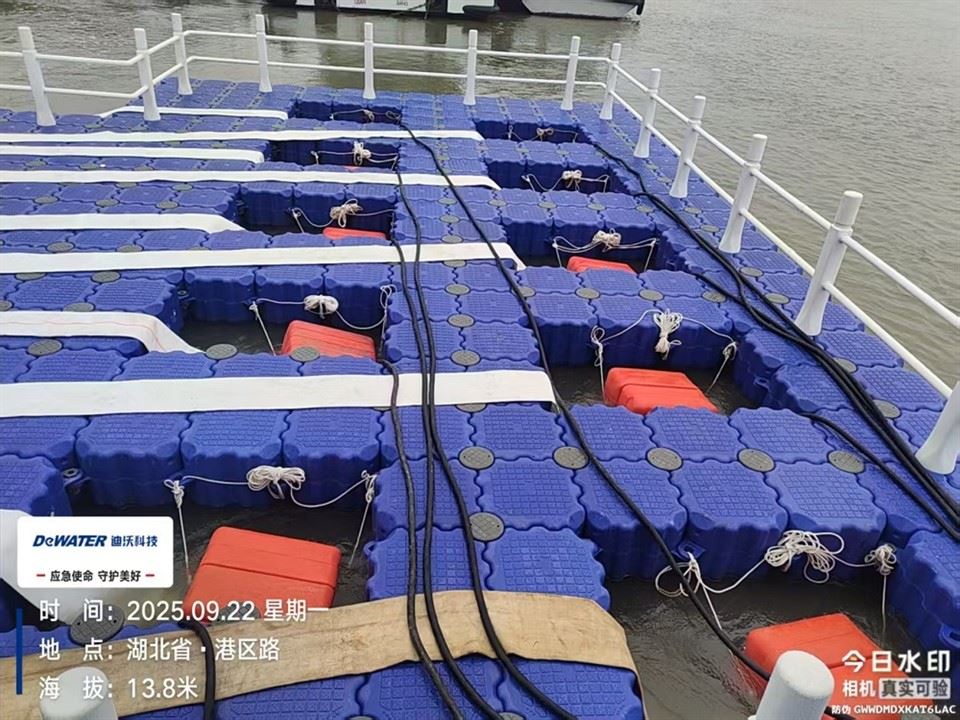
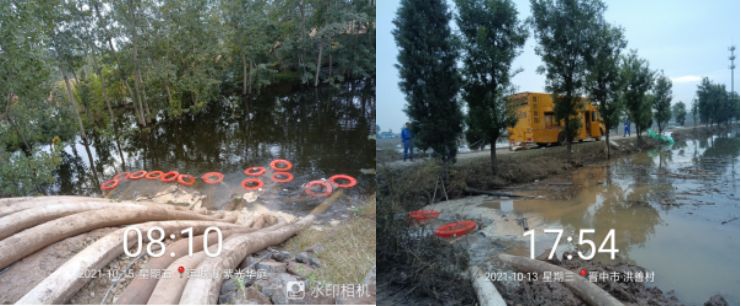
Before reaching out to the manufacturer, it's crucial to do some research. Find out their official website, contact information, and the range of products they offer. This basic information can usually be found on the product manual, the label of the pump, or through an online search. For example, if you're interested in different types of mobile drainage pumps, you can visit the following links to learn more: Mobile Drain Pump Truck for Flood Control, Urban Waterlogging Drainage Pump, and Floating Pump Station.
By familiarizing yourself with the manufacturer's background, you can better understand their expertise and the support they can provide. Look for details such as their years of experience in the industry, any certifications they hold, and customer reviews. This will give you an idea of their reputation and reliability.
2. Use the Official Contact Channels
Most manufacturers provide multiple contact channels on their official websites. These may include phone numbers, email addresses, and contact forms. Here's how you can use each of these channels effectively:
Phone
Calling the manufacturer directly is often the quickest way to get immediate support. When you call, make sure you have all the necessary information about your mobile drainage pump at hand. This includes the model number, serial number, purchase date, and a detailed description of the problem or support you need. Be clear and concise when explaining your situation, and ask specific questions. For example, if you're experiencing a problem with the pump's motor, describe the symptoms, such as unusual noises or a decrease in performance.
If your issue is not urgent or requires more detailed information, sending an email can be a good option. In your email, provide a clear subject line that summarizes the problem or request. For instance, "Request for Spare Parts for [Model Number] Mobile Drainage Pump" or "Technical Support for Pump Performance Issue." In the body of the email, include all the relevant details about your pump and the support you need. Attach any relevant documents, such as photos or test reports, to help the manufacturer better understand the situation.
Contact Forms
Many manufacturers have contact forms on their websites. These forms usually ask for your name, company name, email address, phone number, and a description of your inquiry. Fill out the form accurately and completely. Make sure to provide as much information as possible about your mobile drainage pump and the support you're seeking. After submitting the form, you can expect to receive a response from the manufacturer within a reasonable time frame.
3. Attend Industry Events
Industry events, such as trade shows and conferences, are great opportunities to meet the manufacturer representatives in person. These events bring together manufacturers, suppliers, and other industry professionals. You can visit the manufacturer's booth, talk to their sales and technical teams, and get hands - on experience with their products.
At these events, you can ask questions about the mobile drainage pumps, discuss potential support options, and even negotiate deals. It's also a chance to network with other industry players and learn about the latest trends and technologies in the field. Make sure to bring business cards and any information about your company and the pumps you're interested in.
4. Join Online Communities and Forums
There are many online communities and forums dedicated to the pump industry. These platforms allow you to connect with other users, experts, and manufacturers. You can post questions, share experiences, and get advice from the community.
Some manufacturers are also active in these communities and may respond directly to your inquiries. When posting in these forums, make sure to follow the community rules and provide accurate information about your mobile drainage pump. You can also search for existing threads related to your problem or support request to see if there are any solutions or suggestions available.
5. Leverage Social Media
Social media platforms, such as LinkedIn, Twitter, and Facebook, can also be used to contact the manufacturer. Many manufacturers have official social media accounts where they share product updates, industry news, and customer support information.
You can send a direct message to the manufacturer on these platforms, but make sure to keep your message professional and concise. Similar to other contact channels, provide all the necessary information about your pump and the support you need. Social media can also be a good way to stay updated on the manufacturer's latest activities and announcements.
6. Provide Clear and Detailed Information
Regardless of the contact channel you choose, it's essential to provide clear and detailed information about your mobile drainage pump. This includes:
- Model and Serial Number: These numbers are usually printed on the pump's label or in the product manual. They help the manufacturer identify the specific pump and its features.
- Purchase Information: Include the date of purchase, the place of purchase, and any warranty information. This can be important if you're eligible for free repairs or replacement parts.
- Problem Description: If you're seeking support for a problem, describe it in detail. Include when the problem started, what symptoms you're experiencing, and any steps you've already taken to try and solve it.
7. Follow Up
After contacting the manufacturer, it's important to follow up if you haven't received a response within a reasonable time frame. This shows your commitment to getting the support you need and can help move the process along.
If you sent an email or filled out a contact form, you can send a polite follow - up email after a few days. In the follow - up, mention the previous communication and ask for an update on the status of your request. If you called the manufacturer, you can leave a voicemail or send a text message to remind them of your inquiry.
Conclusion
Contacting the manufacturer of a mobile drainage pump for support requires a strategic approach. By researching the manufacturer, using the official contact channels effectively, attending industry events, joining online communities, leveraging social media, providing clear information, and following up, you can increase your chances of getting the support you need.
As a supplier of mobile drainage pumps, I encourage you to take advantage of these methods to ensure the smooth operation of your pumps. If you're interested in purchasing mobile drainage pumps or need further information, I'm here to assist you. Feel free to reach out to me, and we can discuss your specific requirements and explore the best solutions for your needs.
References
- General knowledge and experience in the mobile drainage pump industry.
- Insights from industry best practices and customer - manufacturer communication guidelines.