


Hey there! As a supplier of Flood Control Pump Trucks, I've seen firsthand how crucial it is to choose the right hose for these bad boys. A wrong hose selection can turn a flood - control mission into a total nightmare, while the right one can make the whole operation run like a well - oiled machine. So, let's dive into how you can pick the perfect hose for your flood control pump truck.
1. Flow Rate Considerations
The first thing you gotta think about is the flow rate. Your flood control pump truck is designed to move a certain amount of water per minute, and the hose needs to keep up. If the hose can't handle the flow rate, you'll end up with a bottleneck. Water will build up in the pump, which can cause overheating and even damage to the pump itself.
Let's say your pump has a high - flow rate. You'll need a hose with a large inner diameter. A wider hose allows more water to pass through at once, matching the pump's capacity. On the other hand, if your pump has a lower flow rate, a smaller - diameter hose might do the trick. It'll be more cost - effective and easier to handle.
To figure out the right flow rate for your hose, check the pump truck's specifications. The manufacturer usually provides information on the maximum flow rate the pump can achieve. Then, look for hoses that can handle at least that amount. Some hoses are rated for specific flow rates, so it's just a matter of matching them up.
2. Pressure Rating
Pressure is another big deal. When the pump is pushing water through the hose, it creates pressure. If the hose can't handle that pressure, it might burst, and that's a huge safety hazard. You don't want water spraying everywhere or a hose flying off in the middle of a flood - control operation.
Check the pressure rating of your pump truck. This tells you the maximum pressure the pump can generate. The hose you choose should have a pressure rating that's equal to or higher than the pump's maximum pressure. For example, if your pump can produce 100 psi (pounds per square inch) of pressure, get a hose with a pressure rating of at least 100 psi.
There are different types of hoses with varying pressure ratings. High - pressure hoses are usually made with stronger materials and have reinforced layers. They're more expensive, but they're worth it if your pump generates a lot of pressure.
3. Hose Material
The material of the hose plays a significant role in its performance and durability. There are several common materials used for flood control hoses.
- Rubber Hoses: These are popular because they're flexible and can withstand a fair amount of wear and tear. They're also resistant to abrasion, which is important when the hose is dragged across rough surfaces during a flood - control operation. Rubber hoses can handle a wide range of temperatures, so they work well in different weather conditions.
- PVC Hoses: PVC hoses are lightweight and relatively inexpensive. They're easy to handle and store. However, they're not as durable as rubber hoses and might not be suitable for high - pressure applications. They also tend to be less flexible in cold weather.
- Thermoplastic Hoses: These hoses combine the best of both worlds. They're lightweight like PVC hoses but more durable and flexible like rubber hoses. They're a good choice for many flood - control scenarios.
Think about the environment where the hose will be used. If it's going to be in a rough, abrasive area, a rubber or thermoplastic hose might be the best option. If you're on a tight budget and don't need high - pressure performance, a PVC hose could work.
4. Hose Length
The length of the hose matters too. You need to consider how far the water needs to be pumped. If the hose is too short, you won't be able to reach the desired location. If it's too long, there'll be more resistance in the hose, which can reduce the flow rate and put extra strain on the pump.
Measure the distance from the pump truck to the water source and the discharge point. Then, add a little extra length to account for any bends or curves in the hose route. It's better to have a slightly longer hose than one that's too short.
Keep in mind that longer hoses also require more pressure to push the water through. So, if you need a long hose, make sure your pump can handle the additional pressure.
5. Connector Compatibility
The connectors on the hose need to fit perfectly with the pump truck and any other equipment you're using. If the connectors don't match, you'll have leaks, which can waste water and reduce the efficiency of the flood - control operation.
Check the type of connectors on your pump truck. There are different standards, such as NPT (National Pipe Thread) or BSP (British Standard Pipe). Make sure the hose you choose has connectors that are compatible with your pump. You can also use adapters if needed, but it's best to have a direct fit.
6. Resistance to Environmental Factors
Flood - control operations often take place in harsh environments. The hose needs to be resistant to things like sunlight, chemicals, and water contamination.
- Sunlight Resistance: If the hose is going to be exposed to sunlight for long periods, it should be made of a material that can withstand UV rays. Otherwise, the hose might become brittle and crack over time.
- Chemical Resistance: In some flood situations, the water might be contaminated with chemicals. The hose should be able to resist these chemicals to prevent damage.
- Water Contamination: The hose should be made of a material that won't leach harmful substances into the water. This is especially important if the water is going to be used for other purposes later.
Some Recommended Products
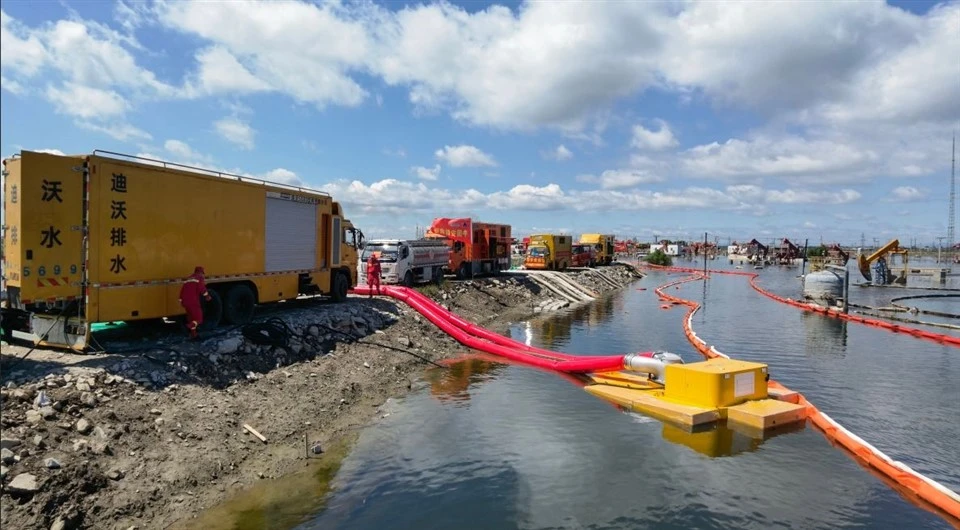
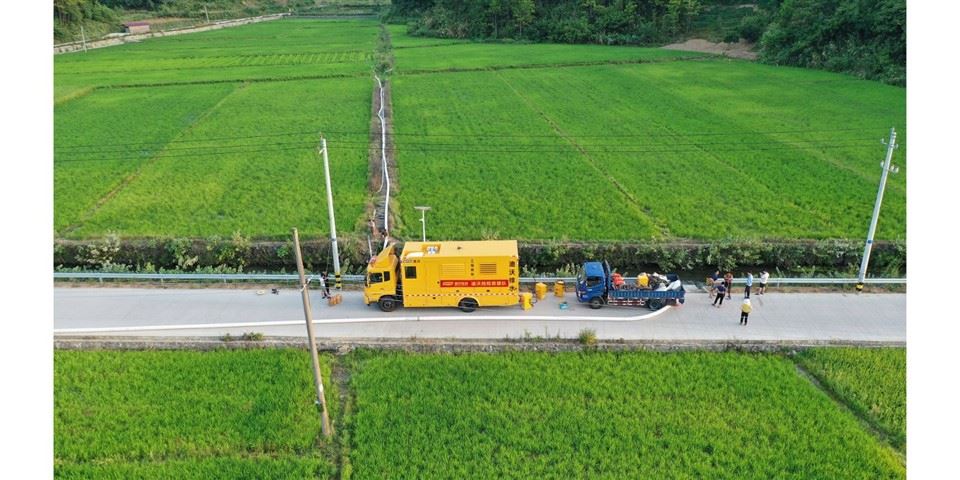
We offer a variety of flood - control pump trucks and related equipment. For example, our Drought Relief Drainage Pump Truck is a great option for handling water in drought - affected areas. The Mobile Drainage Pump Station is highly versatile and can be used in different flood - control scenarios. And if you need a high - capacity solution, our Large Flow Drainage Emergency Rescue Truck is the way to go.
Conclusion
Choosing the right hose for a flood control pump truck is a multi - step process. You need to consider the flow rate, pressure rating, hose material, length, connector compatibility, and resistance to environmental factors. By taking the time to make the right choice, you'll ensure that your flood - control operation runs smoothly and efficiently.
If you're in the market for a flood control pump truck or need help choosing the right hose, don't hesitate to reach out. We're here to assist you in making the best decision for your flood - control needs. Contact us for more information and to start the procurement process.
References
- "Pump Handbook" by Igor J. Karassik et al.
- "Fluid Mechanics for Engineers" by John J. Bertin and Robert L. King.