


Adjusting the pumping pressure of light duty rescue pump trucks is a crucial skill that can significantly impact the efficiency and effectiveness of rescue operations. As a supplier of Light Duty Rescue Pump Trucks, I understand the importance of ensuring that these pumps are operating at their optimal pressure levels. In this blog post, I will share some valuable insights on how to adjust the pumping pressure of light duty rescue pump trucks, drawing on my experience in the industry.
Understanding the Basics of Pumping Pressure
Before delving into the adjustment process, it is essential to have a basic understanding of pumping pressure. Pumping pressure refers to the force exerted by the pump to move fluid through the system. It is typically measured in pounds per square inch (PSI) or bars. The appropriate pumping pressure for a light duty rescue pump truck depends on several factors, including the type of fluid being pumped, the distance and height the fluid needs to be transported, and the specific requirements of the rescue operation.
Factors Affecting Pumping Pressure
Several factors can affect the pumping pressure of a light duty rescue pump truck. These include:

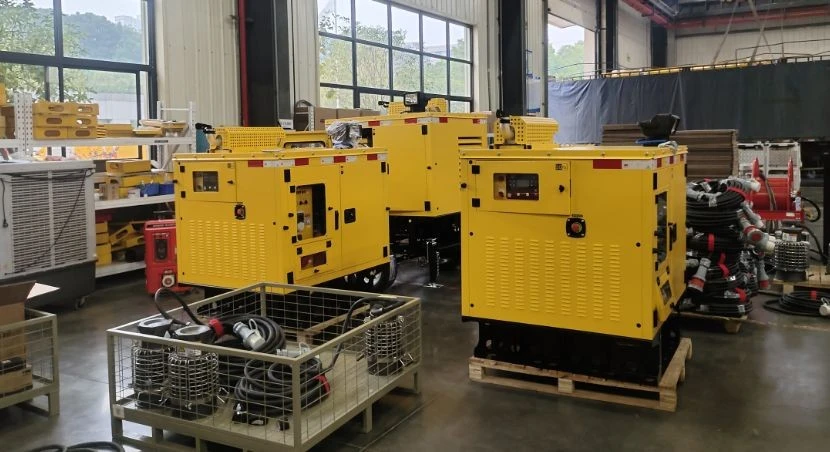
- Pump Design and Capacity: Different pump designs and capacities are capable of generating different levels of pressure. It is important to choose a pump that is suitable for the specific requirements of the rescue operation.
- Fluid Viscosity: The viscosity of the fluid being pumped can also affect the pumping pressure. Thicker fluids, such as sludge or mud, require more pressure to move through the system compared to thinner fluids, such as water.
- Pipe Diameter and Length: The diameter and length of the pipes used in the pumping system can impact the pressure loss. Longer pipes and smaller diameters can result in higher pressure losses, requiring the pump to work harder to maintain the desired pressure.
- Elevation and Distance: The elevation and distance the fluid needs to be pumped can also affect the pumping pressure. Pumping fluid uphill or over long distances requires more pressure compared to pumping on a flat surface or over short distances.
Steps to Adjust the Pumping Pressure
Adjusting the pumping pressure of a light duty rescue pump truck involves a series of steps. Here is a general guide on how to do it:
- Read the Manufacturer's Manual: Before making any adjustments, it is crucial to read the manufacturer's manual for the specific pump model. The manual will provide detailed instructions on how to adjust the pressure and any safety precautions that need to be taken.
- Inspect the Pump and System: Check the pump and the entire pumping system for any signs of damage or leaks. Ensure that all connections are tight and that the pipes are in good condition.
- Determine the Desired Pressure: Based on the specific requirements of the rescue operation, determine the desired pumping pressure. This may involve consulting with the rescue team or referring to industry standards.
- Locate the Pressure Adjustment Device: Most light duty rescue pump trucks are equipped with a pressure adjustment device, such as a pressure relief valve or a throttle control. Locate this device on the pump.
- Make Small Adjustments: Start by making small adjustments to the pressure adjustment device. Gradually increase or decrease the pressure while monitoring the pump's performance. It is important to make small adjustments to avoid over - pressurizing or under - pressurizing the system.
- Monitor the Pressure Gauge: Use a pressure gauge to monitor the pumping pressure. The pressure gauge should be installed at a strategic location in the pumping system to accurately measure the pressure.
- Test the System: Once you have made the adjustments, test the pumping system to ensure that it is operating at the desired pressure. Check for any signs of leaks or abnormal noise during the test.
- Fine - Tune the Pressure: If necessary, make further fine - tuning adjustments to the pressure to achieve the optimal performance.
Troubleshooting Common Pressure Issues
Sometimes, you may encounter issues with the pumping pressure. Here are some common problems and their possible solutions:
- Low Pressure: If the pumping pressure is too low, check for clogs in the pipes, a malfunctioning pump impeller, or a loose connection. Clean the pipes, replace the impeller if necessary, and tighten all connections.
- High Pressure: High pressure can be caused by a blocked outlet, a faulty pressure relief valve, or an over - adjusted throttle. Check for blockages, replace the pressure relief valve if needed, and adjust the throttle to the appropriate setting.
- Fluctuating Pressure: Fluctuating pressure may indicate a problem with the pump's flow control or a leak in the system. Inspect the flow control device and check for leaks in the pipes and connections.
Importance of Proper Pressure Adjustment
Properly adjusting the pumping pressure of a light duty rescue pump truck is essential for several reasons:
- Efficiency: Operating the pump at the optimal pressure ensures that it is working efficiently, reducing energy consumption and wear and tear on the pump.
- Safety: Over - pressurizing the system can lead to pipe bursts, leaks, and other safety hazards. On the other hand, under - pressurizing the system may result in inadequate fluid delivery, affecting the effectiveness of the rescue operation.
- Equipment Longevity: Maintaining the correct pressure helps to extend the lifespan of the pump and other components of the pumping system.
Our Range of Light Duty Rescue Pump Trucks
As a supplier of Light Duty Rescue Pump Trucks, we offer a wide range of high - quality pumps that are designed to meet the diverse needs of rescue operations. Our pumps are built with advanced technology and durable materials to ensure reliable performance in challenging conditions.
In addition to our light duty rescue pump trucks, we also provide other related products such as the Large Mobile Drainage Pump Station, Flooding Control Pickup, and Mobile Flood Pump Trailer. These products are designed to provide effective solutions for flood control, drainage, and other emergency situations.
Contact Us for Procurement
If you are in need of a light duty rescue pump truck or any of our other products, we invite you to contact us for procurement. Our team of experts is ready to assist you in choosing the right equipment for your specific requirements and to provide you with comprehensive after - sales support. Whether you are a fire department, a disaster relief organization, or a municipality, we can help you find the best pumping solutions for your rescue operations.
References
- Smith, J. (2018). Pumping Systems Handbook. Publisher: ABC Publishing.
- Johnson, R. (2020). Fundamentals of Fluid Mechanics in Pumping Operations. Journal of Fluid Engineering, 45(2), 123 - 135.