


Adjusting the flow rate of a mobile pump station is a crucial aspect that can significantly impact its performance and efficiency in various applications. As a reputable supplier of mobile pump stations, I've encountered numerous customers who seek guidance on this matter. In this blog, I'll share some practical methods and considerations for adjusting the flow rate of a mobile pump station.
Understanding the Basics of Flow Rate in Mobile Pump Stations
Before delving into the adjustment methods, it's essential to understand what flow rate means in the context of a mobile pump station. Flow rate refers to the volume of fluid that the pump can move through a system in a given period, usually measured in liters per minute (L/min), cubic meters per hour (m³/h), or gallons per minute (GPM).
The flow rate of a mobile pump station is influenced by several factors, including the pump's design, the power of the driving engine, the diameter and length of the pipes, and the resistance within the system. By adjusting these factors, you can effectively control the flow rate to meet the specific requirements of your project.
Methods for Adjusting the Flow Rate
1. Throttle Control
One of the simplest ways to adjust the flow rate of a mobile pump station is by controlling the throttle of the engine. Most mobile pump stations are powered by diesel or gasoline engines. By increasing or decreasing the engine speed, you can directly affect the pump's rotational speed, which in turn changes the flow rate.
When you increase the throttle, the engine runs faster, and the pump rotates at a higher speed, resulting in a higher flow rate. Conversely, reducing the throttle slows down the engine and the pump, leading to a lower flow rate. However, it's important to note that excessive throttle adjustment can put stress on the engine and pump components, potentially causing premature wear and tear. Therefore, it's crucial to operate within the recommended speed range specified by the manufacturer.
2. Valve Regulation
Another common method for adjusting the flow rate is through valve regulation. Valves can be installed in the suction or discharge pipes of the mobile pump station to control the flow of fluid. By partially closing or opening the valve, you can restrict or increase the flow area, thereby adjusting the flow rate.
For example, if you want to reduce the flow rate, you can partially close the discharge valve. This creates additional resistance in the system, causing the pump to work against a higher pressure and reducing the flow rate. On the other hand, opening the valve wider reduces the resistance and allows more fluid to flow through, increasing the flow rate.
It's important to choose the right type of valve for your application. Globe valves, gate valves, and ball valves are commonly used in pump systems. Globe valves provide precise flow control but may have higher pressure drops, while gate valves offer low resistance when fully open but are not suitable for fine-tuning the flow rate. Ball valves are a popular choice due to their quick operation and relatively low pressure drop.
3. Impeller Modification
In some cases, modifying the impeller of the pump can be an effective way to adjust the flow rate. The impeller is the rotating component of the pump that imparts energy to the fluid. By changing the diameter or shape of the impeller, you can alter the pump's performance characteristics, including the flow rate.
Reducing the impeller diameter generally results in a lower flow rate and a higher head (pressure). This can be useful when you need to operate the pump at a lower flow rate but still require a certain level of pressure. Conversely, increasing the impeller diameter can increase the flow rate but may also require more power from the engine.
However, impeller modification is a more complex and specialized process that should only be carried out by trained professionals. It may also void the manufacturer's warranty if not done correctly. Therefore, it's important to consult with the pump manufacturer or a qualified technician before attempting any impeller modifications.
4. Variable Frequency Drive (VFD)
A Variable Frequency Drive (VFD) is an advanced technology that can be used to adjust the flow rate of a mobile pump station more precisely. A VFD controls the speed of the electric motor driving the pump by varying the frequency of the electrical power supplied to the motor.
By adjusting the frequency, the VFD can change the motor speed, which in turn adjusts the pump's flow rate. This method offers several advantages, including energy savings, precise control, and reduced mechanical stress on the pump and motor. VFDs can also be programmed to maintain a constant flow rate or adjust the flow rate based on specific parameters, such as pressure or level.
However, VFDs are more expensive than other flow rate adjustment methods and require additional installation and setup. They also need to be properly sized and configured for the specific pump and motor combination. Therefore, it's important to consider the cost-benefit ratio and the specific requirements of your application before investing in a VFD.
Considerations for Flow Rate Adjustment
When adjusting the flow rate of a mobile pump station, there are several important considerations to keep in mind:
1. System Requirements
Before making any adjustments, it's crucial to understand the specific requirements of your system. Consider factors such as the desired flow rate, the pressure requirements, the type of fluid being pumped, and the distance and elevation of the pumping operation. By having a clear understanding of these requirements, you can choose the most appropriate method for adjusting the flow rate.
2. Pump Performance Curve
Every pump has a performance curve that shows the relationship between the flow rate, head (pressure), and power consumption. It's important to refer to the pump's performance curve when adjusting the flow rate to ensure that the pump operates within its efficient and safe operating range. Operating the pump outside of this range can lead to reduced efficiency, increased energy consumption, and potential damage to the pump.
3. Safety
Safety should always be a top priority when adjusting the flow rate of a mobile pump station. Make sure to follow all safety procedures and guidelines provided by the manufacturer. Wear appropriate personal protective equipment (PPE), such as gloves and safety glasses, when working on the pump or its components. Avoid making adjustments while the pump is running unless specifically instructed to do so.
4. Maintenance
Regular maintenance is essential to ensure the proper functioning of the mobile pump station and its flow rate adjustment mechanisms. Check the engine, valves, impeller, and other components regularly for signs of wear, damage, or leakage. Follow the manufacturer's recommended maintenance schedule and perform any necessary repairs or replacements promptly.

Applications of Mobile Pump Stations and Flow Rate Adjustment
Mobile pump stations are widely used in various applications, including:
1. Flood Control
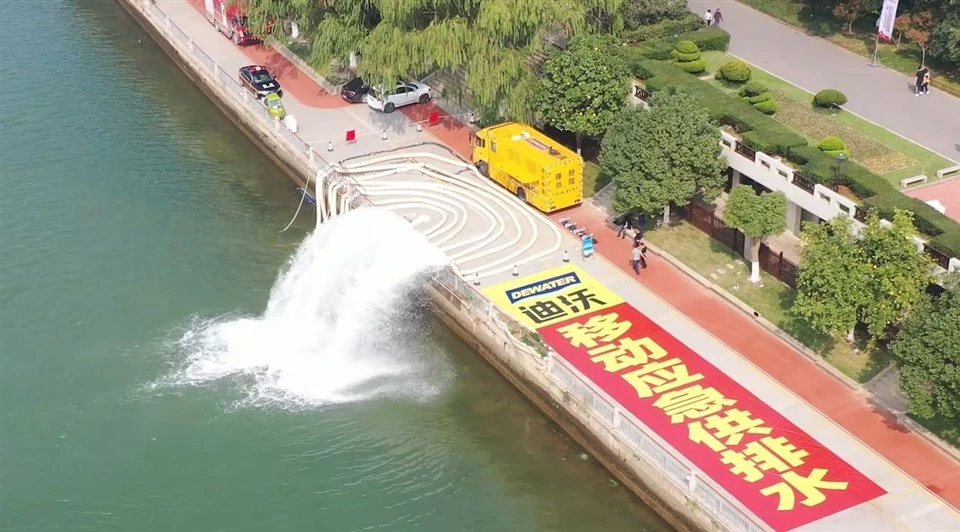
During heavy rainfall or flooding, mobile pump stations can be quickly deployed to remove excess water from low-lying areas, basements, and construction sites. By adjusting the flow rate, you can optimize the pumping capacity based on the volume of water to be removed and the available power supply. Flood Control Pump Truck
2. Emergency Rescue
In emergency situations, such as fires or chemical spills, mobile pump stations can be used to supply water or other fluids for firefighting or decontamination purposes. The ability to adjust the flow rate allows for precise control of the fluid delivery, ensuring effective response and minimizing waste. Emergency Rescue Drainage Pump Trucks
3. Construction Sites
Mobile pump stations are commonly used on construction sites for dewatering, concrete pumping, and other fluid transfer applications. By adjusting the flow rate, you can meet the specific requirements of each construction task and ensure efficient operation. Large Mobile Drainage Pump Station
Conclusion
Adjusting the flow rate of a mobile pump station is a critical skill that can enhance its performance and efficiency in various applications. By understanding the different methods of flow rate adjustment, considering the system requirements, and following the necessary safety and maintenance procedures, you can effectively control the flow rate to meet your specific needs.
As a supplier of mobile pump stations, we are committed to providing high-quality products and professional technical support. If you have any questions or need further assistance with flow rate adjustment or other aspects of mobile pump station operation, please don't hesitate to contact us. We look forward to discussing your requirements and helping you find the best solution for your project.
References
- Pump Handbook, Karassik, I. J., Messina, J. P., Cooper, P. W., & Heald, C. C. (2008).
- Engineering Fluid Mechanics, Crowe, C. T., Elger, D. F., & Roberson, J. A. (2011).