


Hey there! I'm a supplier of Emergency Water Rescue Pickup equipment. One question I often get asked is, "How often are emergency water rescue pickup teams trained?" Well, let's dive right into it.
First off, the frequency of training for these teams can vary quite a bit. It depends on a bunch of factors, like the region they're in, the level of risk, and the resources available. But generally speaking, most teams aim for regular training to keep their skills sharp.
In areas where there's a high risk of water - related emergencies, like coastal regions prone to hurricanes or areas near large rivers that flood often, teams might train as frequently as once a month. This frequent training helps them stay prepared for any sudden water disasters. For example, if a hurricane is approaching, these teams need to be ready to jump into action immediately. They have to be able to quickly deploy our Mobile Flood Pump Trailer and other equipment to deal with the rising waters.
On the other hand, in regions with a lower risk of water emergencies, the training might be less frequent, maybe every three to six months. But even then, it's still super important. These teams need to make sure they know how to operate all the equipment we supply, like the Mobile Drainage Pump Station. It's not just about turning it on and off; they have to understand how to troubleshoot any issues that might come up during an actual rescue operation.
Now, let's talk about what's involved in these training sessions. There are basically two main parts: theoretical and practical.
The theoretical part is all about learning the science behind water rescue. Teams study things like water flow dynamics, the effects of different types of water (freshwater vs. saltwater), and how to assess the stability of the ground around a flooded area. They also learn about the different types of equipment we offer, like the Dewatering Pump Trailer. We provide detailed manuals and training materials to help them understand how each piece of equipment works and what its limitations are.
The practical part is where the real action happens. Teams get hands - on experience with all the equipment. They practice setting up the pumps, connecting hoses, and operating the controls. They also simulate rescue scenarios, like rescuing people from a flooded building or a capsized boat. These simulations are crucial because they help the team members get used to working under pressure and making quick decisions.
Another important aspect of training is teamwork. In a water rescue situation, every team member has a specific role, and they need to work together seamlessly. During training, they practice coordinating their efforts, communicating effectively, and supporting each other. For example, one person might be responsible for operating the pump, while another is in charge of rescuing the victims. They need to be able to trust each other and work as a well - oiled machine.
But training isn't just a one - time thing. Even after the initial training, teams need to keep up with the latest techniques and technologies. New equipment is constantly being developed, and the best practices for water rescue are always evolving. That's why continuous professional development is so important. Many teams attend workshops and conferences to learn about the latest advancements in the field.
As a supplier, I play a big role in this training process. I work closely with the teams to make sure they have all the information and support they need. I provide on - site training, where I go to their location and teach them how to use our equipment. I also offer ongoing technical support, so if they have any questions or run into problems, they can reach out to me.
In addition to regular training, teams also participate in drills and exercises. These are like real - world simulations, but they're planned in advance. They help the teams test their readiness and identify any areas that need improvement. For example, a drill might involve a sudden call to respond to a mock flood situation. The team has to quickly mobilize, set up the equipment, and carry out the rescue operation. After the drill, they conduct a debriefing session to analyze what went well and what could be done better next time.
Now, I know you might be wondering about the cost of all this training. Well, it can vary depending on the type and frequency of the training. But in the long run, it's definitely worth it. A well - trained water rescue team can save lives and minimize the damage caused by water emergencies. And as a supplier, I believe in providing high - quality equipment at a reasonable price, so that the teams can afford to invest in the training they need.
If you're part of an emergency water rescue team or an organization looking to set one up, I'd love to talk to you. We have a wide range of equipment that can meet your specific needs, and I can help you develop a training plan that works for you. Whether you're in a high - risk or low - risk area, we can provide the support and resources you need to be prepared for any water emergency.

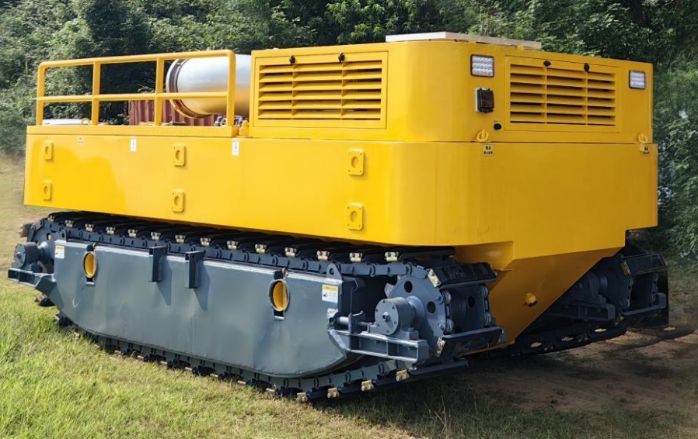
In conclusion, the frequency of training for emergency water rescue pickup teams varies, but regular training is essential. It helps them stay prepared, improve their skills, and work effectively as a team. And as a supplier, I'm committed to helping these teams succeed. So, if you're interested in learning more about our products or discussing your training needs, don't hesitate to reach out.
References
- Professional Water Rescue Association. "Best Practices for Water Rescue Training."
- National Institute of Disaster Management. "Guidelines for Emergency Water Rescue Teams."