


In the field of water management and flood control, the choice between drainage pump vehicles and fixed - installed pumps is a critical decision that can significantly impact the efficiency and effectiveness of water - removal operations. As a supplier of drainage pump vehicles, I have witnessed firsthand the unique advantages and limitations of both types of pumping solutions. In this blog, I will delve into a detailed comparison of the mobility of drainage pump vehicles and fixed - installed pumps, exploring how this factor influences their performance in various scenarios.
Mobility Defined
Mobility in the context of pumping systems refers to the ability to move the pumping equipment from one location to another easily and quickly. For drainage pump vehicles, mobility is a core characteristic. These vehicles are designed to be driven to the site of water accumulation, whether it is a flooded street, a construction site with waterlogging, or an area affected by natural disasters. On the other hand, fixed - installed pumps are permanently or semi - permanently installed in a specific location, such as a basement sump, a sewage treatment plant, or a flood - control reservoir.
Advantages of the Mobility of Drainage Pump Vehicles
Rapid Deployment
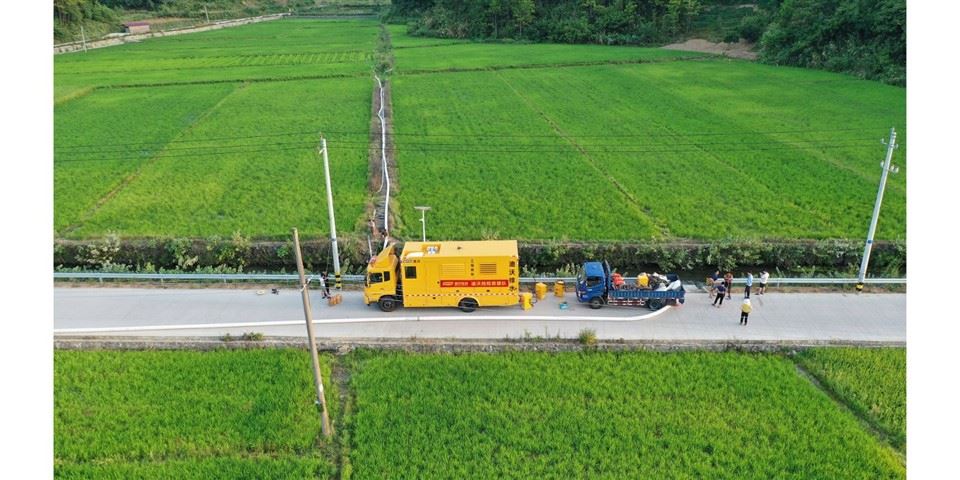
One of the most significant advantages of drainage pump vehicles is their ability to be rapidly deployed to areas in need. During emergency situations such as flash floods or sudden heavy rainfall, time is of the essence. Drainage pump vehicles can be dispatched immediately and can reach the affected area within a short period. For example, in the case of a sudden flood in a low - lying urban area, a drainage pump vehicle can be on - site within an hour or two, ready to start pumping water. This is in stark contrast to fixed - installed pumps, which are limited to their pre - determined locations and cannot be moved to other areas experiencing flooding.
The Emergency Rescue Drainage Pump Trucks offered by our company are specifically designed for rapid response. They are equipped with high - power engines and advanced pumping systems that can be quickly set up and put into operation. This rapid deployment capability can help prevent further damage to property and infrastructure, and can even save lives in extreme situations.
Flexibility in Location
Drainage pump vehicles provide unparalleled flexibility in terms of location. They can be moved to different sites as needed, depending on the changing water - accumulation patterns. For instance, during a flood event, water may first accumulate in one area, and then as the floodwaters recede, it may start to pool in another location. A drainage pump vehicle can be easily relocated to the new area of concern, ensuring continuous and efficient water removal.
In contrast, fixed - installed pumps are restricted to the areas where they are installed. If there is a need to pump water from a different location, additional fixed - installed pumps would need to be installed, which can be time - consuming and costly. Our Flood Control Mobile Pump Trailer is a prime example of a flexible pumping solution. It can be towed to various sites, and its compact design allows it to access areas that may be difficult for larger vehicles to reach.
Adaptability to Different Situations
Drainage pump vehicles are highly adaptable to different types of water - removal scenarios. They can be used for a wide range of applications, including flood control, drought relief, and construction - site dewatering. For example, our Drought Relief Drainage Pump Truck can be used to transfer water from water - rich areas to drought - affected regions, providing much - needed relief during dry spells.
Fixed - installed pumps, on the other hand, are often designed for specific applications and may not be as versatile. For example, a fixed - installed pump in a sewage treatment plant is optimized for handling sewage and may not be suitable for pumping clean water or dealing with floodwaters.
Limitations of the Mobility of Drainage Pump Vehicles
Limited Pumping Capacity in Some Cases
While drainage pump vehicles offer great mobility, their pumping capacity may be limited compared to some large - scale fixed - installed pumps. Fixed - installed pumps can be designed and built to handle extremely high volumes of water, especially in large industrial or municipal applications. For example, a fixed - installed pump in a major flood - control reservoir may have a pumping capacity that far exceeds that of a typical drainage pump vehicle.
However, it's important to note that for most small - to - medium - scale water - removal tasks, the pumping capacity of drainage pump vehicles is more than sufficient. Our drainage pump vehicles are available in a range of sizes and capacities, allowing customers to choose the most appropriate model for their specific needs.
Dependency on External Factors
Drainage pump vehicles are also more dependent on external factors such as road conditions and fuel availability. In areas with poor road infrastructure or during extreme weather events, it may be difficult for the vehicles to reach the intended location. Additionally, they require a continuous supply of fuel to operate, which can be a challenge in remote or disaster - affected areas.
Fixed - installed pumps, on the other hand, are usually connected to a reliable power source, such as the electrical grid or a dedicated generator, and do not face the same mobility - related challenges.
Advantages of Fixed - Installed Pumps in Terms of Stability
Consistent Performance
Fixed - installed pumps are known for their consistent performance. Once installed and properly maintained, they can operate continuously and reliably over long periods. They are not subject to the vibrations and movements associated with transportation, which can sometimes affect the performance of drainage pump vehicles.
In industrial settings, where a constant and stable water - removal process is required, fixed - installed pumps are often the preferred choice. For example, in a chemical plant, a fixed - installed pump can ensure the continuous removal of wastewater, preventing any disruptions to the production process.
Lower Operating Costs in the Long Run
Although the initial installation cost of fixed - installed pumps can be high, they may have lower operating costs in the long run. Since they are permanently installed, there are no costs associated with transportation and mobilization. Additionally, they can be designed to be energy - efficient, reducing the overall energy consumption and cost.
Conclusion
In conclusion, the mobility of drainage pump vehicles offers significant advantages in terms of rapid deployment, flexibility in location, and adaptability to different situations. They are ideal for emergency response and small - to - medium - scale water - removal tasks. However, they also have some limitations, such as limited pumping capacity in some cases and dependency on external factors.
Fixed - installed pumps, on the other hand, provide stability and consistent performance, and may have lower operating costs in the long run. They are more suitable for large - scale, continuous water - removal applications.
As a supplier of drainage pump vehicles, I believe that both types of pumping solutions have their place in the market. Depending on the specific needs of the customer, a combination of drainage pump vehicles and fixed - installed pumps may be the most effective approach.

If you are interested in learning more about our drainage pump vehicles or discussing your water - management needs, please feel free to contact us. We are committed to providing high - quality products and professional solutions to help you deal with water - related challenges effectively.
References
- "Pumping Systems Handbook" by Igor J. Karassik et al.
- "Flood Risk Management: Principles and Practice" by Jon W. Hall et al.
- Industry reports on water - management equipment.