



Hey there! As a supplier of Rescue Mobile Drainage Pumps, I often get asked if these pumps can be used in low - voltage situations. It's a crucial question, especially when you're in a high - stakes rescue operation where every second counts. Let's dive right in and explore this topic.
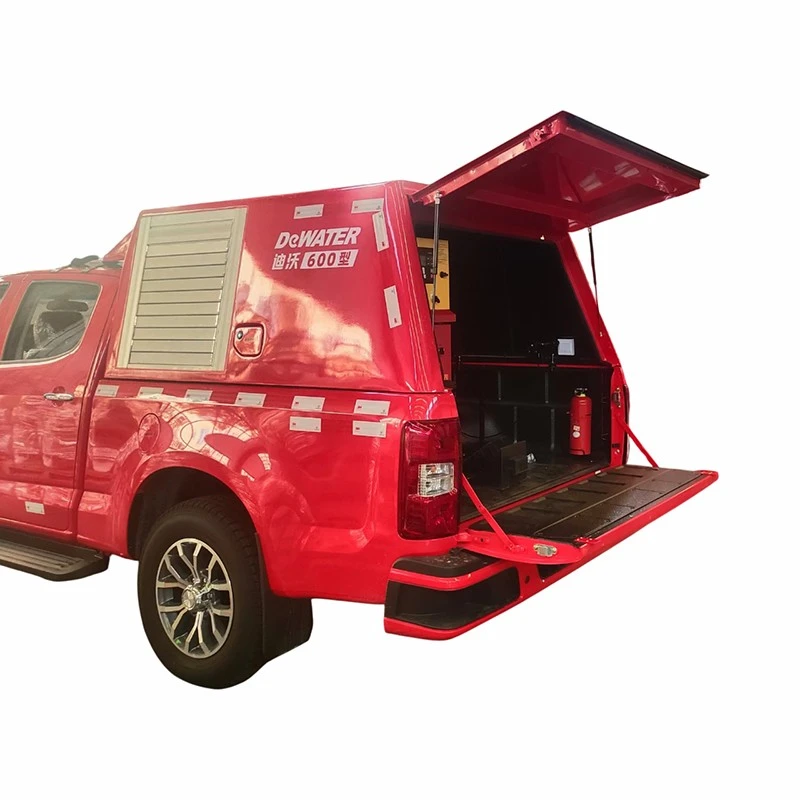
First off, let's understand what a Rescue Mobile Drainage Pump is. These pumps are designed to be highly portable and can be quickly deployed in emergency situations, such as flood rescues, firefighting operations, and industrial spills. The mobility of these pumps allows them to reach remote and hard - to - access areas where traditional fixed - based pumps just can't go. For more details on some of our related products, check out Mobile Drain Pump Truck for Flood Control, Mobile Fire Water Pump Trailer, and Large Flow Mobile Pump Station.
Now, let's talk about low - voltage situations. Low voltage typically refers to a voltage level that is lower than the standard operating voltage of an electrical device. In most cases, electrical equipment is designed to operate within a specific voltage range. When the voltage drops below this range, it can cause a variety of problems, including reduced performance, overheating, and even damage to the equipment.
So, can a Rescue Mobile Drainage Pump be used in low - voltage situations? Well, it depends on a few factors.
1. Pump Design and Specification
Some Rescue Mobile Drainage Pumps are designed to be more tolerant of voltage fluctuations. These pumps often come with built - in voltage regulators or variable frequency drives (VFDs). A voltage regulator helps to maintain a stable output voltage, even when the input voltage is unstable. On the other hand, a VFD can adjust the speed of the pump motor according to the available voltage, allowing the pump to operate efficiently within a wider voltage range.
If your pump has these features, it's more likely to work in low - voltage situations. However, it's important to note that even with these technologies, there is still a limit to how low the voltage can go. If the voltage drops too low, the pump may not be able to generate enough power to operate effectively.
2. Load Requirements
The load requirements of the pump also play a significant role. The load refers to the amount of work the pump needs to do, such as pumping water against a certain pressure or lifting water to a specific height. If the load is too high and the voltage is low, the pump motor may struggle to meet the demand. This can lead to a decrease in pump performance, as the motor may not be able to turn the impeller at the required speed.
For example, if you're trying to pump water from a deep basement during a flood, the pump has to work harder to lift the water to the surface. In a low - voltage situation, the pump may not be able to generate enough power to overcome the gravitational force and the resistance in the pipes, resulting in a slower pumping rate.
3. Battery - Powered vs. Electric - Grid - Powered Pumps
Rescue Mobile Drainage Pumps can be powered by either batteries or the electric grid. Battery - powered pumps are generally more flexible in terms of voltage because they rely on the stored energy in the batteries. As long as the batteries are fully charged and in good condition, the pump can operate regardless of the external voltage.

However, battery - powered pumps have their limitations. The runtime is limited by the battery capacity, and recharging the batteries can take time. Electric - grid - powered pumps, on the other hand, are directly connected to the electrical supply. They are more suitable for long - term, continuous operation, but they are more vulnerable to low - voltage issues.
Potential Risks of Using Pumps in Low - Voltage Situations
Using a Rescue Mobile Drainage Pump in a low - voltage situation can pose several risks.
1. Motor Damage
When the voltage is low, the motor has to draw more current to maintain the same level of power. This increased current can cause the motor to overheat, which can damage the insulation on the motor windings. Over time, this can lead to short circuits and permanent motor failure.
2. Reduced Pump Lifespan
Continuous operation in low - voltage conditions can also reduce the lifespan of the pump. The extra stress on the motor and other components can cause them to wear out faster, increasing the likelihood of breakdowns and the need for costly repairs.
3. Safety Hazards
In some cases, low - voltage operation can create safety hazards. For example, if the pump motor overheats, it can pose a fire risk. Additionally, if the pump fails during an emergency operation, it can put the lives of the rescue workers and the affected population at risk.
Solutions for Using Pumps in Low - Voltage Situations
If you need to use a Rescue Mobile Drainage Pump in a low - voltage situation, here are some solutions you can consider.
1. Use a Voltage Stabilizer
A voltage stabilizer can help to regulate the input voltage and provide a stable power supply to the pump. This can protect the pump motor from damage and ensure that the pump operates at its optimal performance.
2. Reduce the Load
If possible, try to reduce the load on the pump. For example, you can open the discharge valve to reduce the pressure or use a shorter and larger - diameter pipe to reduce the resistance. This can help the pump to operate more efficiently in a low - voltage situation.
3. Switch to a Battery - Powered Pump
If the voltage is consistently low, consider using a battery - powered pump. As mentioned earlier, battery - powered pumps are less affected by external voltage fluctuations and can provide a more reliable power source in emergency situations.
In conclusion, while it is possible to use a Rescue Mobile Drainage Pump in low - voltage situations, it is not without challenges. It's important to carefully assess the pump design, load requirements, and the available power source before making a decision. If you're unsure, it's always a good idea to consult with a professional or the pump manufacturer.
If you're in the market for a high - quality Rescue Mobile Drainage Pump or have any questions about using pumps in low - voltage situations, don't hesitate to reach out. We're here to help you find the best solution for your needs. Contact us for more information and let's start a conversation about your procurement requirements.
References
- Pump Handbook, McGraw - Hill
- Electrical Engineering for Non - Electrical Engineers, Barron's Educational Series