


Can civilians assist in emergency water rescue pickup? This is a question that has gained increasing attention in recent years, especially as the frequency and severity of water - related disasters have risen due to climate change. As a supplier of Emergency Water Rescue Pickup equipment, I have witnessed firsthand the importance of having a well - coordinated response during water emergencies. In this blog, I will explore the potential for civilian assistance in emergency water rescue pickup, the associated challenges, and how it can be effectively integrated into overall rescue efforts.
The Potential of Civilian Assistance
Civilians can play a crucial role in emergency water rescue pickup. In many cases, they are on - site at the beginning of a water emergency, such as a flash flood or a boating accident. Their immediate presence can mean the difference between life and death for those in danger. For example, a civilian who is trained in basic water rescue techniques may be able to pull a drowning person out of the water before professional rescue teams arrive.
Moreover, civilians often have local knowledge that can be invaluable during a rescue operation. They know the terrain, the water currents, and the best access points to the affected areas. This local expertise can help rescue teams navigate through unfamiliar territory more quickly and safely. For instance, in a small town where a river has overflowed, local residents can guide rescuers to areas where people are likely to be trapped, such as low - lying neighborhoods or areas with poor drainage.
In addition, the sheer number of civilians in a community can provide additional manpower. During large - scale water emergencies, professional rescue teams may be overwhelmed by the number of people in need of assistance. Civilians can help with tasks such as distributing life jackets, providing first - aid, or assisting in the evacuation of affected individuals.
Challenges of Civilian Assistance
However, there are also significant challenges associated with civilian participation in emergency water rescue pickup. One of the main concerns is safety. Water rescue is a dangerous activity that requires specialized training and equipment. Without proper training, civilians may put themselves and others at risk. For example, attempting to swim in strong currents or using inappropriate rescue equipment can lead to injuries or even fatalities.
Another challenge is the lack of coordination. In the chaos of an emergency, it can be difficult to integrate civilian efforts with those of professional rescue teams. There may be confusion about roles and responsibilities, which can lead to inefficiencies or even conflicts. For instance, civilians may start rescue operations without notifying the authorities, which can interfere with the overall rescue plan.
Furthermore, there is a risk of liability. If a civilian causes harm during a rescue attempt, they may be held legally responsible. This potential legal liability can discourage some people from getting involved in water rescue efforts.
Training and Preparation
To overcome these challenges, it is essential to provide civilians with proper training and preparation. Training programs should cover basic water rescue techniques, such as how to use life jackets, throw ropes, and perform CPR. These programs can be offered by local fire departments, emergency management agencies, or non - profit organizations.
In addition to technical skills, training should also include safety procedures and an understanding of the limitations of civilian involvement. Civilians need to know when it is appropriate to attempt a rescue and when to wait for professional help. For example, they should be taught to assess the water conditions and the capabilities of the people in need of assistance before taking action.
It is also important to establish clear lines of communication and coordination between civilians and professional rescue teams. This can be achieved through pre - emergency planning and regular drills. For example, local emergency management agencies can organize community meetings to discuss emergency response plans and assign roles to civilians. During an actual emergency, a central command center can be established to coordinate the efforts of all involved parties.
Our Role as an Emergency Water Rescue Pickup Supplier
As a supplier of Emergency Water Rescue Pickup equipment, we have a responsibility to support civilian participation in water rescue efforts. We offer a range of products that can be used by both professional rescue teams and trained civilians. For example, our Engineering Water Drainage Rescue Vehicles are designed to quickly remove large amounts of water from flooded areas, which can help prevent further damage and facilitate rescue operations.
Our Mobile Drainage Pump Station is another valuable tool that can be used in emergency situations. These stations can be easily transported to the affected areas and set up to pump water out of basements, streets, or other flooded locations.
In addition, our Emergency Drainage Rescue Vehicle is specifically designed for rapid response in water emergencies. It is equipped with high - powered pumps and other specialized equipment to handle various types of water rescue scenarios.

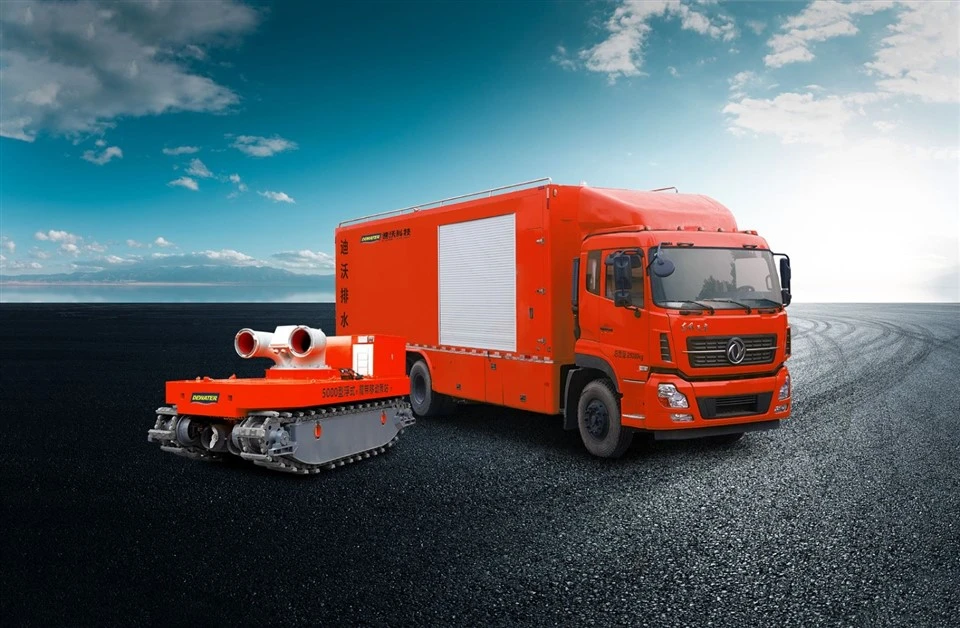
We also provide training and support to our customers on how to use our equipment effectively. This includes on - site training, user manuals, and technical support. By ensuring that our customers are well - trained, we can help improve the safety and effectiveness of water rescue operations, whether they are carried out by professional teams or civilians.
Encouraging Civilian Involvement
To encourage more civilians to get involved in emergency water rescue pickup, we need to raise awareness about the importance of these efforts. This can be done through public education campaigns, social media, and community events. For example, we can organize water safety fairs where people can learn about water rescue techniques and see our equipment in action.
We also need to address the issue of liability. One way to do this is through legislation that provides some level of immunity for civilians who act in good faith during a rescue attempt. This can give people the confidence to get involved without fear of legal consequences.
Conclusion
In conclusion, civilians can make a significant contribution to emergency water rescue pickup. Their immediate presence, local knowledge, and additional manpower can enhance the overall effectiveness of rescue operations. However, to ensure the safety and success of civilian involvement, proper training, preparation, and coordination are essential.
As a supplier of Emergency Water Rescue Pickup equipment, we are committed to supporting civilian participation in water rescue efforts. We offer high - quality products, training, and support to help make water rescue operations more efficient and safe.
If you are interested in learning more about our products or have any questions about emergency water rescue pickup, we encourage you to contact us for further discussion and potential procurement. We look forward to working with you to improve water rescue capabilities in your community.
References
- American Red Cross. (2023). Water Safety and Rescue Training.
- National Fire Protection Association. (2023). Standards for Water Rescue Operations.
- Federal Emergency Management Agency. (2023). Community Emergency Response Team (CERT) Training Materials.