


Hey there! As a supplier of Mobile Flood Pump Trailers, I often get asked if these bad boys can be used in freezing temperatures. It's a valid question, especially considering that floods can happen in all sorts of weather conditions, and sometimes that includes when it's really cold outside. So, let's dive right in and explore this topic.
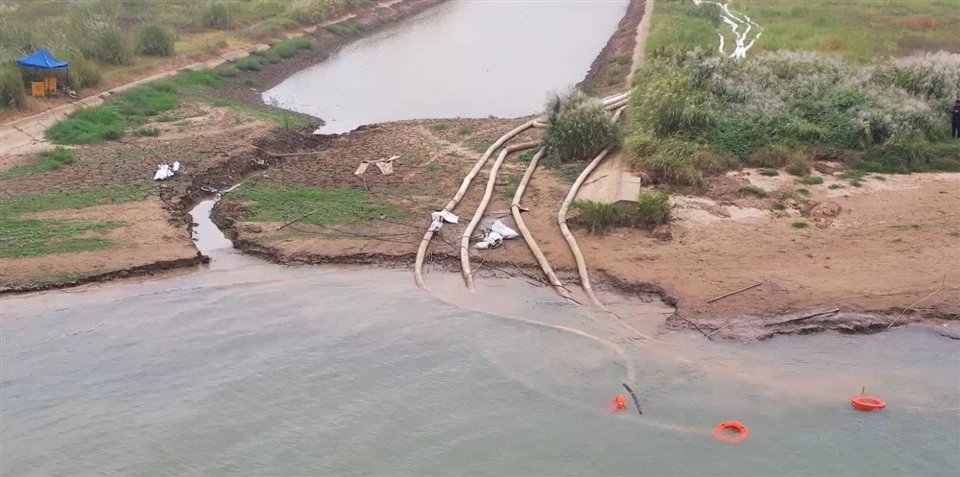
First off, let's understand how a Mobile Flood Pump Trailer works. These trailers are equipped with powerful pumps that are designed to move large volumes of water quickly. They're used in various flood - relief scenarios, like when there's heavy rain, river overflow, or even flash floods. You can check out our Flooding and Dainage Pump Truck and Drought Relief Drainage Pump Truck for more details on the different types of vehicles we offer that are related to flood - control.
Now, the big question: can they work in freezing temperatures? Well, it's a bit of a mixed bag. On one hand, the basic mechanical function of the pump itself can still operate in cold weather. Most of our pumps are built tough and can handle a wide range of temperatures. The engines that power these pumps are also designed to start and run in relatively cold conditions. However, there are a few major challenges that come with using them in freezing temperatures.
One of the most obvious issues is the water itself. When the temperature drops below freezing, water turns into ice. And ice is a huge problem for a pump. If the water in the pump or the hoses freezes, it can block the flow of water, which stops the pump from working properly. It can also cause damage to the pump and the hoses. Ice expansion can crack the hoses or damage the internal components of the pump. So, we need to find ways to prevent the water from freezing.
One solution is to use heated hoses. These hoses have built - in heating elements that keep the water inside from turning into ice. They're a great option, but they do come with an added cost. Another option is to keep the water moving constantly. If the water is flowing continuously, it's less likely to freeze. This means that the pump needs to be running at a sufficient speed to keep the water in motion.
The cold can also affect the lubricants and fluids in the pump and the engine. In freezing temperatures, these fluids can thicken, which makes it harder for the engine to start and the pump to operate smoothly. We recommend using low - temperature lubricants and antifreeze in the engine's cooling system. This helps to ensure that the engine can start and run properly even in cold weather.
The electrical components of the Mobile Flood Pump Trailer are also at risk in freezing temperatures. Cold can cause the battery to lose its charge more quickly, and it can also make the wiring more brittle, increasing the risk of breaks or short - circuits. We suggest keeping the battery warm, perhaps by using a battery warmer, and regularly checking the wiring for any signs of damage.
But it's not all doom and gloom. There are situations where using a Mobile Flood Pump Trailer in freezing temperatures can be essential. For example, during a winter flood caused by a sudden thaw or heavy snowmelt. In these cases, the ability to quickly remove the water is crucial to prevent property damage and ensure public safety. Our High - flow Drainage Rescue Vehicle is especially useful in these high - volume water removal situations.
To make the most of a Mobile Flood Pump Trailer in freezing temperatures, proper maintenance and preparation are key. Before heading out into the cold, make sure to do a thorough inspection of the entire system. Check the hoses for any signs of damage, ensure that the lubricants and fluids are appropriate for cold weather, and test the battery and electrical components.
During operation, it's important to monitor the pump closely. Keep an eye on the temperature of the engine and the pump, and make sure that the water is flowing freely. If you notice any signs of ice formation or reduced performance, take immediate action. This might mean shutting down the pump, thawing out the hoses, or making adjustments to the speed of the pump.
After using the pump in freezing temperatures, it's essential to properly drain and dry all the hoses and the pump. This helps to prevent any remaining water from freezing and causing damage when the trailer is stored.
In conclusion, while it is possible to use a Mobile Flood Pump Trailer in freezing temperatures, it comes with its fair share of challenges. But with the right precautions and preparations, it can be done safely and effectively. If you're facing a situation where you need to use a flood pump in cold weather, don't hesitate to reach out to us. We have a team of experts who can provide you with the best advice on how to make it work.
If you're interested in purchasing a Mobile Flood Pump Trailer or have any questions about using them in different weather conditions, we're here to help. Just get in touch with us, and we can have a detailed discussion about your specific needs. Whether it's for a small - scale local flood or a large - scale disaster relief operation, our trailers are designed to meet your requirements.
References

- General knowledge about pump technology and cold - weather operations
- Industry standards for flood - control equipment in cold climates