


Can an Emergency Dewatering Pump be used in water treatment plants?
As a supplier of emergency dewatering pumps, I often encounter inquiries from various industries about the applicability of our pumps in different scenarios. One question that comes up quite frequently is whether an emergency dewatering pump can be used in water treatment plants. In this blog post, I will delve into this topic, exploring the potential uses, limitations, and considerations when using emergency dewatering pumps in water treatment facilities.
Understanding Emergency Dewatering Pumps
Emergency dewatering pumps are designed to quickly remove large volumes of water in emergency situations such as floods, burst pipes, or other water - related disasters. These pumps are typically portable, easy to deploy, and capable of handling high - flow rates. They come in different types, including centrifugal pumps, submersible pumps, and diaphragm pumps, each with its own set of advantages and limitations.
Centrifugal pumps are the most common type of emergency dewatering pumps. They work by using a rotating impeller to create a centrifugal force that moves water through the pump. These pumps are known for their high - flow capacity and are suitable for pumping large volumes of water with low to medium solids content.
Submersible pumps, on the other hand, are designed to be submerged in water. They are often used in applications where the water level is high, and they can handle more solids compared to centrifugal pumps. Diaphragm pumps are positive displacement pumps that use a flexible diaphragm to move water. They are ideal for pumping viscous or abrasive fluids and can operate at low pressures.
Potential Uses of Emergency Dewatering Pumps in Water Treatment Plants
1. Emergency Drainage
Water treatment plants may face unexpected situations such as heavy rainfall, equipment failures, or power outages that can lead to flooding within the plant. In such cases, emergency dewatering pumps can be quickly deployed to remove the excess water and prevent damage to equipment and infrastructure. For example, if a storage tank overflows due to a malfunctioning valve, an emergency dewatering pump can be used to drain the water and avoid costly repairs.
2. Maintenance and Repairs
During maintenance or repair work, water treatment plants may need to drain specific areas or tanks. Emergency dewatering pumps can be used to empty these areas quickly, allowing maintenance crews to access the equipment safely. For instance, when a filter unit needs to be serviced, the pump can be used to drain the water from the filter tank, reducing downtime and improving the efficiency of the maintenance process.
3. Backup for Primary Pumps
In some cases, the primary pumps in a water treatment plant may fail. Emergency dewatering pumps can serve as a backup system to ensure the continuous operation of the plant. This is especially important in large - scale water treatment facilities where any disruption in the water treatment process can have significant consequences for the community.
Limitations and Considerations
1. Water Quality
Water treatment plants deal with water of various qualities, including raw water, treated water, and wastewater. Emergency dewatering pumps are typically designed for general dewatering purposes and may not be suitable for handling water with high levels of contaminants or chemicals. For example, if the water contains a large amount of suspended solids, the pump may clog, reducing its efficiency and potentially causing damage to the pump.
2. Pump Capacity and Efficiency
The capacity and efficiency of emergency dewatering pumps need to be carefully considered when using them in water treatment plants. The pumps must be able to handle the required flow rate and head pressure to meet the specific needs of the plant. Additionally, the energy consumption of the pumps can be a significant factor, especially in large - scale operations.
3. Compatibility with Existing Systems
Emergency dewatering pumps need to be compatible with the existing piping systems and infrastructure in the water treatment plant. The pump's inlet and outlet sizes, as well as the connection types, must match the plant's piping to ensure a proper fit and efficient operation.
Case Studies
Let's take a look at some real - world examples of how emergency dewatering pumps have been used in water treatment plants.
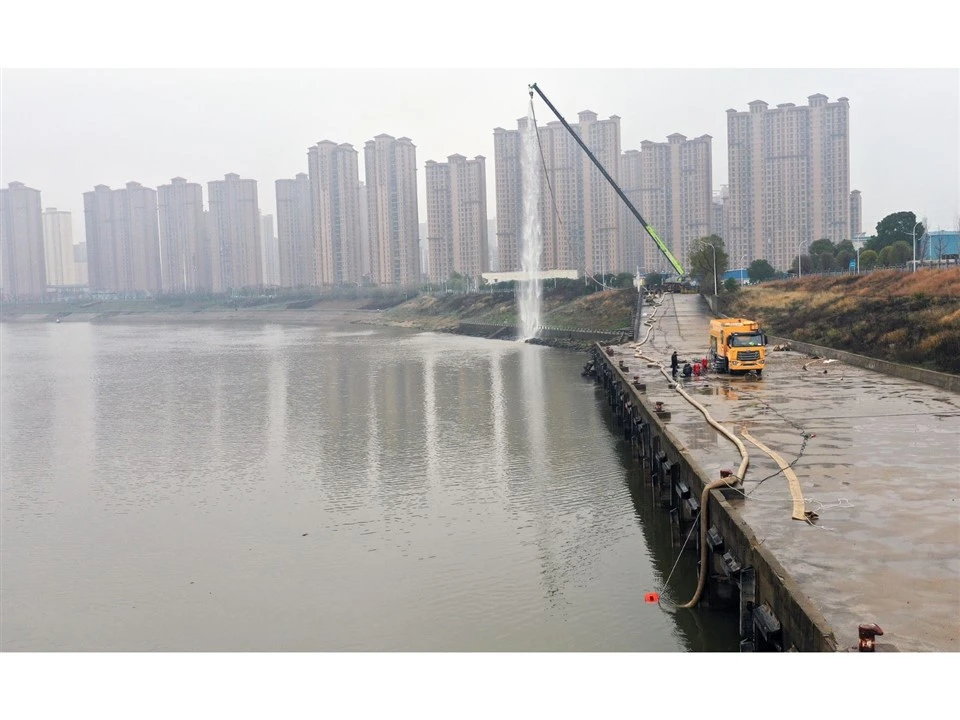
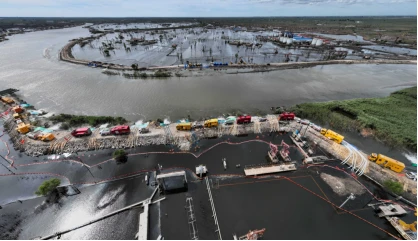
In a small - scale water treatment plant in a rural area, heavy rainfall caused flooding in the plant's storage area. The plant quickly deployed an emergency dewatering pump to remove the excess water. The pump was able to drain the area within a few hours, preventing damage to the storage tanks and ensuring the continuity of the water treatment process.
In another case, a large - scale water treatment plant experienced a power outage, which caused the primary pumps to stop working. The plant had a standby emergency dewatering pump system in place. The emergency pumps were activated immediately, and they were able to maintain the flow of water through the treatment process until the power was restored.
Our Product Range
As a supplier of emergency dewatering pumps, we offer a wide range of products to meet the diverse needs of water treatment plants. Our Government Emergency Flood Control Pump is designed for large - scale flood control and dewatering applications. It has a high - flow capacity and can handle large volumes of water quickly.
Our Fire Water Supply Pump is suitable for providing water for fire - fighting purposes in water treatment plants. It can deliver water at high pressures, ensuring effective fire suppression.
The Dam Lake Drainage Emergency Pump is specifically designed for draining large bodies of water such as dams and lakes. It is capable of handling high - volume water removal and can be used in emergency situations to prevent flooding.
Conclusion
In conclusion, emergency dewatering pumps can be a valuable asset in water treatment plants. They can be used for emergency drainage, maintenance and repairs, and as a backup for primary pumps. However, it is important to consider the limitations and potential challenges, such as water quality, pump capacity, and compatibility with existing systems.
If you are a water treatment plant operator or manager and are interested in learning more about our emergency dewatering pumps, we encourage you to contact us for a detailed consultation. Our team of experts can help you select the right pump for your specific needs and ensure a smooth and efficient operation of your water treatment plant.
References
- "Pump Handbook" by Igor J. Karassik, Joseph P. Messina, Paul Cooper, Charles C. Heald.
- "Water Treatment Plant Design" by Water Environment Federation.
- Industry reports on emergency dewatering pump applications in water treatment facilities.