


Hey there! As a supplier of Emergency Dewatering Pumps, I often get asked this question: Can an Emergency Dewatering Pump be used in fire - fighting systems? Let's dig into this topic and find out.
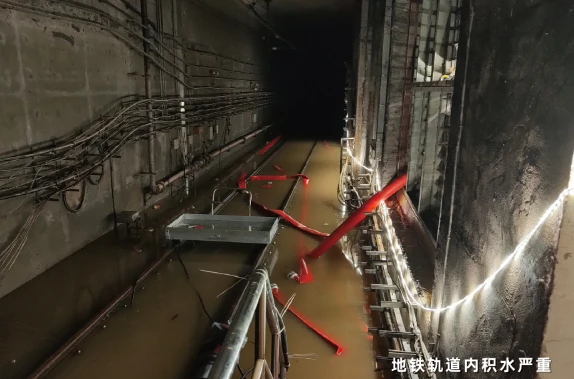
First off, let's understand what an Emergency Dewatering Pump is. These pumps are designed to quickly remove large volumes of water in emergency situations. For instance, they're super useful during floods, whether it's a Subway Flood Pump dealing with waterlogged subway stations or a Reservoir Burst Drainage Emergency Pump handling a reservoir burst. You can check out more about our Emergency Dewatering Pump on our website.
Now, let's talk about fire - fighting systems. Fire - fighting systems require pumps that can deliver a consistent and high - pressure water flow to effectively extinguish fires. These systems need to be reliable and able to work under extreme conditions.
So, can an Emergency Dewatering Pump fit the bill? Well, there are a few factors to consider.
Flow Rate
Emergency dewatering pumps are typically built to handle large volumes of water at relatively low pressures. They're great for quickly draining large areas of standing water. In a fire - fighting scenario, the flow rate is crucial. Some dewatering pumps might have a high enough flow rate to be useful in certain fire - fighting situations, especially for small - scale fires or for providing supplementary water supply. However, for large industrial or high - rise building fires, the flow rate might need to be carefully evaluated. If the pump can't deliver enough water quickly enough, it won't be very effective in putting out the fire.
Pressure
Fire - fighting requires high - pressure water to reach the fire source, especially in tall buildings or when dealing with fires in hard - to - reach areas. Most emergency dewatering pumps are not designed to generate the high pressures needed for fire - fighting. High - pressure pumps in fire - fighting systems are engineered to push water through hoses and nozzles with enough force to break through flames and reach the seat of the fire. Dewatering pumps usually operate at lower pressures, so using them in a fire - fighting system might not provide the necessary water force.
Water Quality
Emergency dewatering pumps are often used to handle dirty, debris - filled water. They're built with features like large impeller passages to prevent clogging. In fire - fighting systems, the water quality is usually more controlled. The water needs to be clean enough not to damage the pump components or clog the nozzles. If a dewatering pump is used in a fire - fighting system and the water contains a lot of debris, it could cause problems with the pump's performance and potentially damage the fire - fighting equipment.
Reliability and Redundancy
Fire - fighting systems require a high level of reliability. They need to start up immediately and work continuously until the fire is extinguished. Emergency dewatering pumps are also designed for reliability in emergency situations, but the standards for fire - fighting are extremely high. Fire - fighting systems often have redundant pumps and backup power sources to ensure continuous operation. Dewatering pumps might not always have the same level of built - in redundancy, which could be a concern in a fire - fighting scenario.
Compatibility with Fire - Fighting Equipment
Fire - fighting equipment, such as hoses, nozzles, and sprinkler systems, are designed to work with specific types of pumps. The connection sizes, flow characteristics, and pressure requirements of dewatering pumps might not be compatible with standard fire - fighting equipment. This means that additional adapters or modifications might be needed, which could add complexity and cost to the system.

Situations Where It Might Work
Despite the challenges, there are some situations where an Emergency Dewatering Pump could potentially be used in a fire - fighting system.
- Small - Scale Fires: For small fires in rural areas or in situations where a high - pressure fire - fighting pump is not immediately available, a dewatering pump could be used as a temporary solution. For example, a small grass fire or a fire in a shed might be manageable with a dewatering pump if it can deliver enough water to suppress the flames.
- Supplementary Water Supply: In some cases, dewatering pumps can be used to provide supplementary water to an existing fire - fighting system. For instance, if a large - scale fire is consuming a lot of water from the main fire - fighting supply, a dewatering pump could be used to draw water from a nearby pond or river and feed it into the system.
Modifications and Adaptations
If you're considering using an Emergency Dewatering Pump in a fire - fighting system, some modifications might be necessary.
- Pressure Boosting: To increase the pressure of the water output, a pressure - boosting device could be added to the dewatering pump. This could help the pump meet the pressure requirements for fire - fighting.
- Filtration: Installing a proper filtration system can help remove debris from the water before it enters the pump. This can prevent clogging and ensure the smooth operation of the pump and the fire - fighting equipment.
- Control Systems: Adding advanced control systems can improve the pump's performance in a fire - fighting scenario. These systems can regulate the flow rate and pressure based on the fire - fighting needs.
In conclusion, while an Emergency Dewatering Pump can't directly replace a dedicated fire - fighting pump in most cases, there are some situations where it can be used with appropriate modifications and under specific circumstances. If you're facing a situation where you need to make a quick decision about using a dewatering pump for fire - fighting, it's important to carefully evaluate the pump's capabilities and the requirements of the fire - fighting situation.
If you're interested in our Emergency Dewatering Pumps and want to discuss their potential use in fire - fighting or other applications, feel free to reach out to us. We're always here to help you find the right solution for your needs. Let's start a conversation about how our pumps can work for you!
References
- Fire Protection Handbook, National Fire Protection Association
- Pump Handbook, Karassik et al.