


As a supplier of portable mobile drainage pumps, I often encounter inquiries from customers about the versatility of our products. One common question is whether these pumps can be used for irrigation purposes. In this blog post, I will delve into this topic, exploring the feasibility, advantages, limitations, and considerations of using portable mobile drainage pumps for irrigation.
Feasibility of Using Portable Mobile Drainage Pumps for Irrigation
Portable mobile drainage pumps are primarily designed to remove water from flooded areas, construction sites, mines, and other locations where water accumulation is a problem. However, their functionality can be extended to irrigation in certain situations. These pumps are typically equipped with powerful motors and efficient impellers that can generate sufficient pressure and flow rate to move water over short to medium distances.
The key factor in determining the feasibility of using a portable mobile drainage pump for irrigation is the water source and the irrigation requirements. If the water source is relatively close to the irrigation area and the required flow rate and pressure are within the pump's capabilities, then it can be a viable option. For example, if you have a small garden or a farm with a nearby pond or well, a portable mobile drainage pump can be used to transfer water from the source to the irrigation system.
Advantages of Using Portable Mobile Drainage Pumps for Irrigation
1. Mobility
One of the main advantages of portable mobile drainage pumps is their mobility. They are designed to be easily transported and set up in different locations. This makes them ideal for small-scale irrigation projects where the irrigation area may change over time or where multiple areas need to be irrigated. You can simply move the pump from one location to another as needed, without the need for extensive plumbing or infrastructure.
2. Cost-Effectiveness
Compared to dedicated irrigation pumps, portable mobile drainage pumps are generally more cost-effective. They are often less expensive to purchase and require less maintenance. Additionally, since they can be used for both drainage and irrigation purposes, you can get more value out of your investment.
3. Versatility
Portable mobile drainage pumps are available in a variety of sizes and configurations, with different flow rates and pressure capabilities. This allows you to choose a pump that is suitable for your specific irrigation needs. Whether you need to irrigate a small garden or a large farm, there is a portable mobile drainage pump that can meet your requirements.
4. Quick Setup
Setting up a portable mobile drainage pump for irrigation is relatively quick and easy. Most pumps come with a simple installation process that can be completed in a matter of minutes. This means that you can start irrigating your crops or plants right away, without having to wait for a professional to install a dedicated irrigation system.
Limitations of Using Portable Mobile Drainage Pumps for Irrigation
1. Limited Reach
Portable mobile drainage pumps are typically designed for short to medium-distance water transfer. They may not be suitable for large-scale irrigation projects where the water needs to be transported over long distances. In such cases, a dedicated irrigation pump with a higher flow rate and pressure may be required.
2. Lack of Precision
Unlike dedicated irrigation pumps, portable mobile drainage pumps are not designed to provide precise control over the water flow and pressure. This can make it difficult to achieve uniform irrigation, especially in areas with uneven terrain or different soil types. As a result, some areas may receive too much water while others may receive too little.
3. Energy Consumption
Portable mobile drainage pumps are often powered by gasoline or diesel engines, which can be relatively expensive to operate. Additionally, these engines produce emissions that can be harmful to the environment. If you are concerned about energy consumption and environmental impact, you may want to consider using an electric-powered portable mobile drainage pump or a dedicated irrigation pump that is more energy-efficient.
Considerations When Using Portable Mobile Drainage Pumps for Irrigation
1. Water Source
Before using a portable mobile drainage pump for irrigation, you need to ensure that the water source is suitable for irrigation. The water should be free of contaminants, such as sediment, debris, and chemicals, that can clog the pump or damage the crops. You may need to install a filtration system or use a pre-filter to remove any impurities from the water.
2. Irrigation System
You also need to consider the type of irrigation system you will be using. Different irrigation systems, such as sprinklers, drip irrigation, or flood irrigation, require different flow rates and pressure. Make sure that the pump you choose is compatible with your irrigation system and can provide the required water flow and pressure.
3. Maintenance
Regular maintenance is essential to ensure the proper functioning of your portable mobile drainage pump. You should follow the manufacturer's instructions for maintenance and servicing, including changing the oil, filters, and spark plugs, and inspecting the pump for any signs of damage or wear. Additionally, you should store the pump in a dry and protected area when not in use to prevent corrosion and damage.
4. Safety
When using a portable mobile drainage pump for irrigation, you need to take appropriate safety precautions. Make sure that the pump is properly grounded and that all electrical connections are secure. Additionally, you should wear appropriate protective gear, such as gloves and safety glasses, when operating the pump.
Our Portable Mobile Drainage Pump Products
At our company, we offer a wide range of portable mobile drainage pumps that are suitable for various applications, including irrigation. Our pumps are designed to be reliable, efficient, and easy to use. Some of our popular products include:
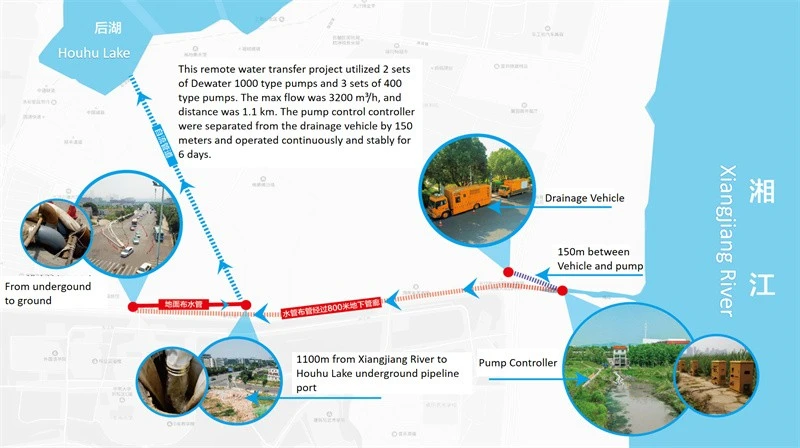
- Traction Large Flow Pump: This pump is designed for high-flow applications and can be used for both drainage and irrigation purposes. It features a powerful motor and a large impeller that can generate a high flow rate and pressure.
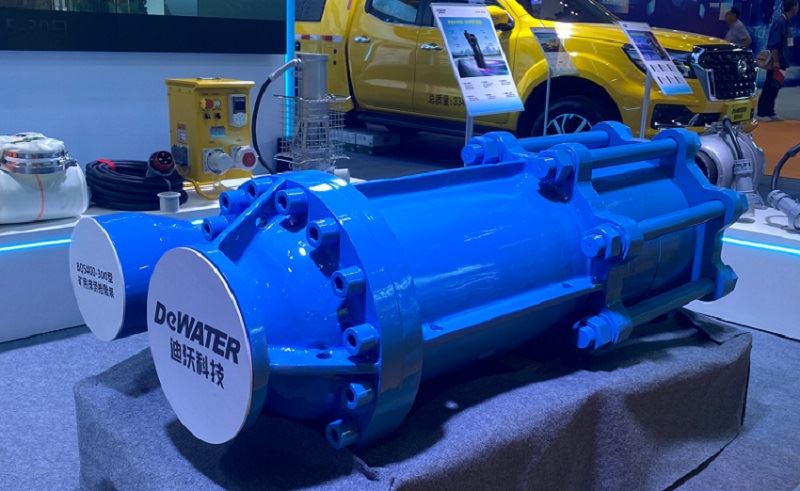
- BQS400-300 Mining Explosion-Proof Submersible Drainage Pump: This pump is specifically designed for use in mining and other hazardous environments. It is explosion-proof and can be used to drain water from mines, tunnels, and other underground structures. It can also be used for irrigation in areas where a submersible pump is required.
- Mobile Water Transport Pump: This pump is designed for easy transportation and can be used for both drainage and irrigation purposes. It features a compact design and a lightweight construction, making it ideal for small-scale irrigation projects.
Conclusion
In conclusion, portable mobile drainage pumps can be used for irrigation purposes in certain situations. They offer several advantages, such as mobility, cost-effectiveness, versatility, and quick setup. However, they also have some limitations, such as limited reach, lack of precision, and energy consumption. Before using a portable mobile drainage pump for irrigation, you need to consider the water source, irrigation system, maintenance, and safety.
If you are interested in using a portable mobile drainage pump for irrigation or have any questions about our products, please feel free to contact us. Our team of experts will be happy to assist you in choosing the right pump for your needs and provide you with any technical support or advice you may require. We look forward to working with you and helping you achieve your irrigation goals.
References
- Manufacturer's manuals and specifications for portable mobile drainage pumps.
- Industry standards and guidelines for irrigation systems.
- Research studies on the use of portable pumps for irrigation.