


Can a Diesel Flood Control Pump be used in water treatment plants?
As a supplier of diesel flood control pumps, I often get asked about the versatility of these pumps and whether they can be used in water treatment plants. In this blog post, I'll explore this question in detail, looking at the capabilities of diesel flood control pumps, the requirements of water treatment plants, and the potential benefits and challenges of using these pumps in such settings.
Understanding Diesel Flood Control Pumps
Diesel flood control pumps are designed to handle large volumes of water quickly and efficiently, making them ideal for emergency flood situations. These pumps are typically powered by diesel engines, which provide a reliable and robust source of power. They can be used in a variety of applications, including draining flooded areas, dewatering construction sites, and providing water for firefighting.
One of the key advantages of diesel flood control pumps is their portability. They can be easily transported to different locations, allowing for rapid deployment in emergency situations. Additionally, they are capable of operating in harsh environments, making them suitable for use in challenging conditions.
Requirements of Water Treatment Plants
Water treatment plants are responsible for treating raw water to make it safe for human consumption. This process involves several stages, including filtration, disinfection, and chemical treatment. To ensure the effectiveness of these processes, water treatment plants require a reliable and consistent supply of water.
In addition to a reliable water supply, water treatment plants also need pumps that are capable of handling a variety of water qualities. Raw water can contain a range of contaminants, including sediment, debris, and microorganisms. Pumps used in water treatment plants must be able to handle these contaminants without clogging or experiencing significant wear and tear.
Can Diesel Flood Control Pumps be Used in Water Treatment Plants?
The short answer is yes, diesel flood control pumps can be used in water treatment plants. However, there are several factors that need to be considered before using these pumps in such settings.
Flow Rate and Capacity
One of the most important factors to consider is the flow rate and capacity of the pump. Water treatment plants require a consistent and reliable supply of water, and the pump must be able to meet the demand. Diesel flood control pumps are typically designed to handle large volumes of water quickly, which makes them suitable for applications where high flow rates are required.
Water Quality
Another important factor to consider is the water quality. As mentioned earlier, raw water can contain a range of contaminants, and the pump must be able to handle these contaminants without clogging or experiencing significant wear and tear. Diesel flood control pumps are typically designed to handle dirty water, but it's important to ensure that the pump is suitable for the specific water quality requirements of the water treatment plant.
Reliability and Maintenance
Reliability and maintenance are also important considerations when using diesel flood control pumps in water treatment plants. These pumps are typically used in emergency situations, and they must be able to operate reliably under challenging conditions. Additionally, regular maintenance is required to ensure the longevity and performance of the pump.
Noise and Emissions
Diesel engines can produce significant noise and emissions, which can be a concern in water treatment plants. It's important to ensure that the pump is installed in a location where the noise and emissions will not cause a problem. Additionally, some water treatment plants may have specific requirements regarding the use of diesel engines, and it's important to comply with these requirements.
Benefits of Using Diesel Flood Control Pumps in Water Treatment Plants
Despite the challenges, there are several benefits to using diesel flood control pumps in water treatment plants.
Emergency Backup
One of the main benefits of using diesel flood control pumps in water treatment plants is their ability to provide emergency backup. In the event of a power outage or other emergency, these pumps can be quickly deployed to provide a reliable source of water. This can help to ensure the continued operation of the water treatment plant and prevent disruptions to the water supply.
Versatility
Diesel flood control pumps are also highly versatile. They can be used in a variety of applications, including draining flooded areas, dewatering construction sites, and providing water for firefighting. This versatility makes them a valuable asset for water treatment plants, as they can be used for multiple purposes.
Cost-Effective
Diesel flood control pumps are typically more cost-effective than other types of pumps. They require less maintenance and have a longer lifespan, which can result in significant cost savings over time. Additionally, the portability of these pumps allows for rapid deployment, which can help to reduce downtime and minimize the impact of emergencies.
Challenges of Using Diesel Flood Control Pumps in Water Treatment Plants
While there are several benefits to using diesel flood control pumps in water treatment plants, there are also some challenges that need to be addressed.
Noise and Emissions
As mentioned earlier, diesel engines can produce significant noise and emissions, which can be a concern in water treatment plants. It's important to ensure that the pump is installed in a location where the noise and emissions will not cause a problem. Additionally, some water treatment plants may have specific requirements regarding the use of diesel engines, and it's important to comply with these requirements.
Maintenance and Training
Diesel flood control pumps require regular maintenance to ensure their reliability and performance. This includes tasks such as oil changes, filter replacements, and engine tune-ups. Additionally, operators of these pumps need to be properly trained to ensure that they are used safely and effectively.
Initial Cost
While diesel flood control pumps are typically more cost-effective in the long run, they can have a higher initial cost than other types of pumps. This can be a concern for some water treatment plants, especially those with limited budgets.
Conclusion
In conclusion, diesel flood control pumps can be used in water treatment plants, but it's important to carefully consider the specific requirements of the plant before using these pumps. Factors such as flow rate, water quality, reliability, and maintenance need to be taken into account to ensure that the pump is suitable for the application.
Despite the challenges, there are several benefits to using diesel flood control pumps in water treatment plants, including emergency backup, versatility, and cost-effectiveness. If you're considering using a diesel flood control pump in your water treatment plant, I encourage you to contact me to discuss your specific requirements and to learn more about the pumps that we offer.
We offer a range of diesel flood control pumps, including the Dam Lake Drainage Emergency Pump, Fire Water Supply Pump, and Mobile Fire Water Pump Trailer. Our pumps are designed to provide reliable and efficient performance in a variety of applications, and we can work with you to find the pump that best meets your needs.

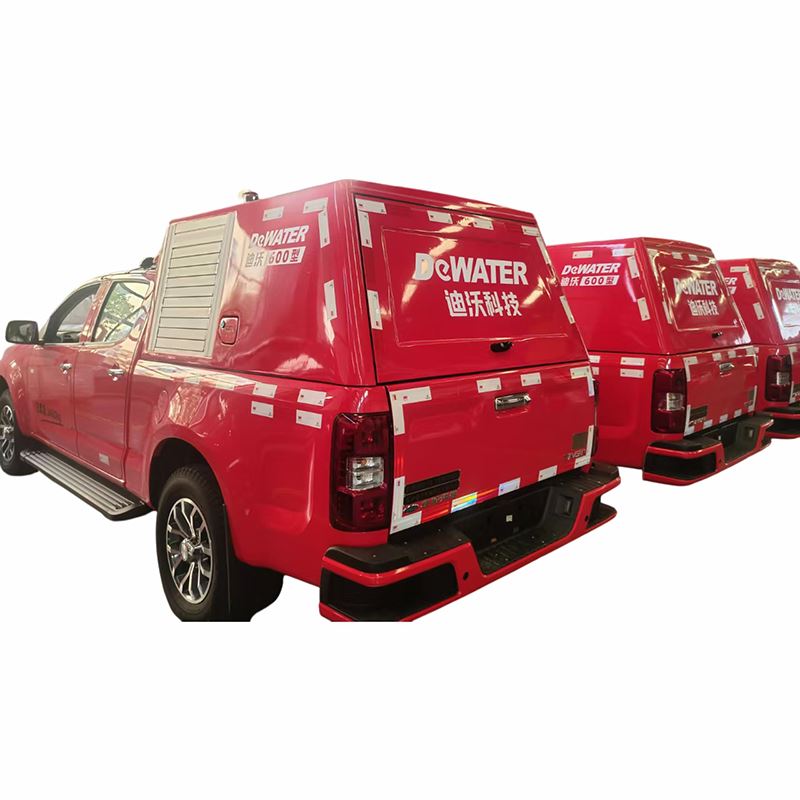
If you have any questions or would like to discuss your requirements further, please don't hesitate to contact me. I look forward to hearing from you and helping you find the right pump for your water treatment plant.
References
- "Water Treatment Plant Design" by Metcalf & Eddy
- "Pump Handbook" by Igor Karassik
- "Diesel Engine Fundamentals" by John Heywood