


As a provider of Emergency Water Rescue Pickup services, I've spent a significant amount of time thinking about the ethical implications of our work. Our mission is clear: to respond swiftly and effectively when water emergencies strike, using our equipment like the Mobile Pumping Station, Dewatering Pump Truck, and Light Duty Rescue Pump Trucks to mitigate the damage and save lives. However, in the process, we must navigate a complex web of ethical considerations that go beyond the technical aspects of our operations.
The Value of Human Life
At the core of our ethical framework is the paramount value of human life. In any water rescue situation, our first priority is to ensure the safety and well - being of those in danger. This means that we are ethically bound to respond as quickly as possible, regardless of the time of day, weather conditions, or other external factors. Our equipment is designed to be deployed rapidly, allowing us to reach the affected areas and start the rescue process without delay.
For example, during a flash flood, every second counts. People may be trapped in their homes, vehicles, or other structures, and the rising water can pose an immediate threat to their lives. Our teams are trained to assess the situation quickly and use our Dewatering Pump Trucks to remove the water and create a safe environment for rescue operations. We also work closely with local emergency services, such as fire departments and paramedics, to ensure that the injured receive prompt medical attention.
Equity and Access
Another important ethical consideration is equity and access. Water emergencies can affect people from all walks of life, regardless of their socioeconomic status, race, or gender. As a provider of Emergency Water Rescue Pickup services, we have a responsibility to ensure that our services are accessible to everyone in need.
This means that we cannot discriminate against any individual or community based on their ability to pay. We offer our services at a reasonable cost, and in some cases, we may provide pro - bono assistance to those who are unable to afford our services. We also work with local government agencies and non - profit organizations to ensure that our services are available in underserved areas.
For instance, in low - income neighborhoods, the infrastructure may be less resilient to water emergencies, and residents may not have the resources to protect themselves. Our Light Duty Rescue Pump Trucks can be used to provide targeted assistance in these areas, helping to prevent property damage and protect the lives of the residents.
Environmental Impact
In addition to the human - centered ethical considerations, we must also take into account the environmental impact of our operations. Our equipment, such as the Mobile Pumping Station, uses fuel and energy, which can contribute to air pollution and greenhouse gas emissions. We are committed to minimizing our environmental footprint by using energy - efficient equipment and adopting sustainable practices.
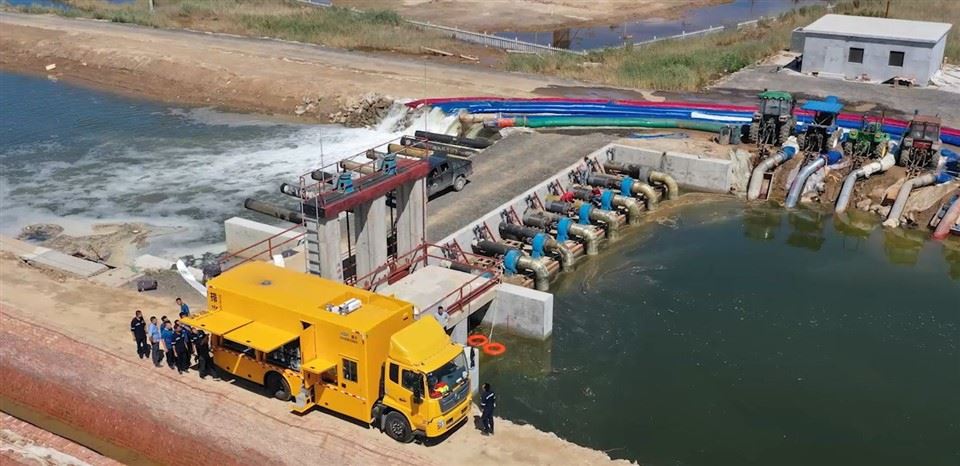

For example, we regularly maintain our equipment to ensure that it operates at peak efficiency, reducing fuel consumption and emissions. We also explore alternative energy sources, such as solar power, to power our pumping stations. When discharging the water, we ensure that it is done in a way that minimizes the impact on the local environment, such as avoiding the contamination of water sources.
Informed Consent and Privacy
When providing Emergency Water Rescue Pickup services, we also need to respect the informed consent and privacy of the individuals we assist. In some cases, we may need to enter private property to conduct rescue operations. We always seek the consent of the property owners or occupants before entering, unless it is an emergency situation where immediate action is required to save lives.
We also ensure that the personal information of the individuals we assist is kept confidential. Our staff is trained to handle sensitive information with care and to comply with all relevant privacy laws and regulations. For example, when collecting data about the affected individuals, such as their names, addresses, and medical history, we use secure systems to store and protect this information.
Transparency and Accountability
Transparency and accountability are essential ethical principles in our line of work. We are committed to being open and honest about our operations, including our response times, costs, and the effectiveness of our services. We regularly publish reports on our website and other public platforms, providing detailed information about our activities and the outcomes of our rescue operations.
We also hold ourselves accountable for the quality of our services. We have a rigorous quality control system in place, which includes regular inspections of our equipment, training of our staff, and feedback from our clients. If any issues or concerns are raised, we take immediate action to address them and improve our services.
The Role of Training and Education
To ensure that our staff can make ethical decisions in the field, we invest heavily in training and education. Our employees undergo regular training programs, which cover not only the technical aspects of water rescue but also the ethical considerations involved. We use case studies and simulations to help our staff understand the complex ethical dilemmas they may face and to develop the skills needed to make the right decisions.
For example, we train our staff on how to handle situations where there are limited resources and multiple people in need of rescue. They learn to prioritize based on the severity of the situation and the likelihood of saving lives. We also provide training on cultural sensitivity, so that our staff can communicate effectively with people from different backgrounds and respect their values and beliefs.
Conclusion
In conclusion, there are numerous ethical considerations in Emergency Water Rescue Pickup. From the value of human life and equity of access to environmental impact, informed consent, and transparency, we must navigate a complex ethical landscape in our daily operations. As a provider of these services, we are committed to upholding the highest ethical standards and ensuring that our actions are guided by the principles of compassion, responsibility, and respect.
If you are in need of Emergency Water Rescue Pickup services or have any questions about our operations, we encourage you to reach out to us for a detailed discussion. We are ready to provide you with the best solutions tailored to your specific needs.
References
- Beauchamp, T. L., & Childress, J. F. (2019). Principles of Biomedical Ethics. Oxford University Press.
- Resnik, D. B. (2015). Ethical Theory and Business. Pearson.
- Thompson, D. F. (1985). Political Ethics and Public Office. Harvard University Press.