


Hey there! I'm a supplier of Emergency Water Rescue Pickup services. Over the years, I've realized that when it comes to emergency water rescue pickup, there are a whole bunch of cultural considerations that we often overlook. In this blog, I'm gonna dive deep into these aspects and share some insights that I've gathered from my experiences in the field.
Cultural Attitudes Towards Water
First off, different cultures have varying attitudes towards water. In some cultures, water is seen as a sacred element, a symbol of life, purity, and renewal. For example, in Hinduism, the Ganges River is considered holy, and people believe that bathing in it can wash away their sins. When we're conducting emergency water rescue pickups in areas with such cultural beliefs, we need to be extremely respectful.
We can't just barge in with our Water Drainage Pump Truck and start pumping water out without understanding the significance of the water body. We might need to have a conversation with the local religious leaders or community elders to explain our actions and get their consent. Otherwise, we could end up causing a lot of distress and even opposition from the local community.
On the other hand, there are cultures where water is associated with danger and fear. In some coastal communities that have experienced devastating tsunamis or floods in the past, the sight of rising water can trigger deep - seated trauma. When we're on a rescue mission in these areas, we need to approach the situation with sensitivity. Our team members should be trained to communicate effectively with the locals, reassuring them that our goal is to help and not to cause more harm.
Communication Styles
Communication is key in any emergency situation, and cultural differences in communication styles can have a huge impact on the success of our water rescue pickup operations. In some cultures, direct communication is preferred. People are straightforward in expressing their needs and expectations. For instance, in the United States, it's common to be very clear and concise when giving instructions or asking for help.
However, in other cultures, indirect communication is the norm. In Japan, for example, people often use subtle cues and non - verbal communication to convey their messages. When we're working in these areas, we need to be attuned to these cultural nuances. We can't just rely on our usual direct communication style. Our team members need to learn to read between the lines, pay attention to body language, and ask open - ended questions to get a better understanding of what the locals are trying to say.
Language is also a major factor. In many parts of the world, English might not be the first language. We need to have interpreters on standby or at least have some basic knowledge of the local language. Even simple phrases like "Don't worry, we're here to help" can make a big difference in building trust with the affected community.
Community Structure and Decision - Making
The structure of a community and its decision - making processes can vary greatly from one culture to another. In some cultures, decision - making is highly centralized, with a single leader or a small group of elders having the final say. In others, it's a more democratic process, where the entire community participates in making decisions.
When we're planning an emergency water rescue pickup in a community with a centralized decision - making structure, we need to identify the key decision - makers early on. We can then focus our efforts on convincing them of the necessity and safety of our operations. For example, in some African tribes, the chief plays a crucial role in community affairs. We need to have a meeting with the chief and present our plan in a way that respects his authority and takes into account the tribe's values.
In communities with a more democratic decision - making process, we might need to hold community meetings. We can use these meetings to explain our rescue plan, answer questions, and address concerns from the locals. This way, we can ensure that everyone in the community feels involved and has a say in the rescue operations.
Gender Roles
Gender roles also vary across cultures, and this can affect our emergency water rescue pickup operations. In some cultures, men are traditionally seen as the protectors and providers, while women are responsible for taking care of the home and children. In these cultures, we might find that men are more likely to be involved in the physical aspects of the rescue, such as helping to move equipment or carrying people to safety.
However, in other cultures, gender roles are more fluid. Women might be just as capable and willing to participate in the rescue efforts. We need to be open - minded and inclusive when it comes to involving both men and women in our operations. We should provide equal opportunities for training and participation, regardless of gender.
For example, in some Scandinavian countries, gender equality is highly valued. Women are often trained in emergency response and are actively involved in rescue operations. When we're working in these areas, we can expect to see a more balanced participation of men and women in our water rescue pickup teams.
Taboos and Superstitions
Taboos and superstitions related to water can pose unique challenges in emergency water rescue pickup. In some cultures, there are taboos about touching certain water bodies or using specific types of equipment in water. For example, in some indigenous cultures, there might be a taboo against using metal objects in a sacred lake.

If we're not aware of these taboos, we could unknowingly violate them, which could lead to a breakdown in trust with the local community. Before starting any rescue operation, we need to do some research on the local taboos and superstitions. We can consult with local historians, anthropologists, or community members to get a better understanding. If possible, we should try to find alternative ways to conduct the rescue that respect these cultural beliefs.
Our Equipment and Cultural Compatibility
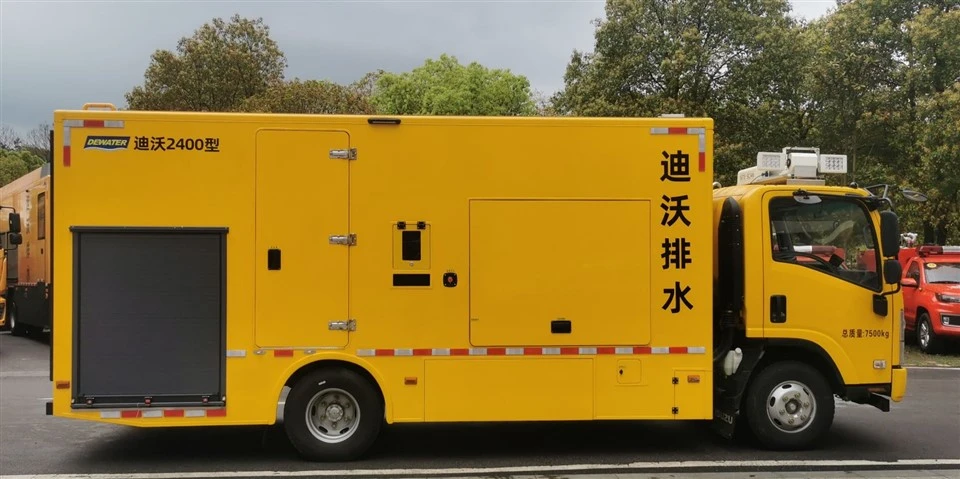
Our equipment, such as Dewatering Pump Truck and Mobile Flood Pump Trailer, also needs to be considered in the context of cultural compatibility. In some cultures, the noise and appearance of our heavy - duty equipment might be intimidating. For example, the loud noise of a dewatering pump truck could scare children and animals in a rural community.
We can take steps to minimize the negative impact of our equipment. We can use noise - reducing technology, or we can try to operate the equipment at times when it will cause the least disruption. We should also be prepared to explain to the locals how our equipment works and why it's necessary for the rescue operation.
Conclusion
In conclusion, cultural considerations play a vital role in emergency water rescue pickup. As a supplier of these services, we need to be aware of and respect the cultural diversity of the communities we serve. By understanding cultural attitudes towards water, communication styles, community structures, gender roles, taboos, and the cultural compatibility of our equipment, we can ensure that our rescue operations are not only effective but also culturally sensitive.
If you're in need of emergency water rescue pickup services or have any questions about how we can adapt our operations to your cultural context, I'd love to have a chat with you. Feel free to reach out to me to start a conversation about your specific needs. Let's work together to make water rescue operations more inclusive and successful.
References
- "Cultural Anthropology: A Toolkit for a Global Age" by Carolyn F. Sargent and Thomas M. Johnson
- "Emergency Management and Cultural Competence" by various authors in the Journal of Emergency Management
- Local community studies and reports from areas where water rescue operations have been conducted.