


As a supplier of mobile drainage pumps, I understand the significance of monitoring the right parameters to ensure the efficient and reliable operation of these pumps. Mobile drainage pumps are used in a wide range of applications, from emergency dewatering situations to regular underground garage drainage and flood control. In this blog, I will discuss the key parameters that you should monitor for a mobile drainage pump.
1. Flow Rate
The flow rate is one of the most critical parameters to monitor for a mobile drainage pump. It refers to the volume of water that the pump can move in a given period, usually measured in liters per minute (L/min) or cubic meters per hour (m³/h). Monitoring the flow rate helps you determine if the pump is operating at its optimal capacity.
A lower - than - expected flow rate could indicate several issues. For example, there might be a blockage in the intake or discharge pipes. Debris such as leaves, stones, or mud can accumulate and restrict the flow of water. Additionally, a worn - out impeller can also reduce the pump's ability to move water efficiently. On the other hand, an unexpectedly high flow rate might suggest that the pump is being over - stressed, which could lead to premature wear and tear.
To measure the flow rate, you can use flow meters. There are different types of flow meters available, such as electromagnetic flow meters, ultrasonic flow meters, and turbine flow meters. Each type has its own advantages and is suitable for different operating conditions. For instance, electromagnetic flow meters are ideal for conductive fluids and can provide accurate measurements even in dirty water.
2. Head Pressure
Head pressure is another crucial parameter. It represents the height to which the pump can lift water and is typically measured in meters (m) or feet (ft). The head pressure is related to the energy required to move water against gravity and overcome friction in the pipes.
When monitoring head pressure, you need to ensure that it is within the pump's specified range. If the head pressure is too high, the pump may struggle to operate, leading to reduced flow rate and increased energy consumption. This can happen if the discharge pipe is too long or has a small diameter, causing excessive friction. Conversely, if the head pressure is too low, the pump may not be operating at its full potential, and there could be a problem with the system, such as a leak in the pipes.
Pressure gauges are commonly used to measure head pressure. They can be installed at the discharge side of the pump to provide real - time readings. By regularly checking the pressure gauge, you can detect any abnormal changes in head pressure and take appropriate action.
3. Power Consumption
Power consumption is an important parameter that reflects the energy efficiency of the mobile drainage pump. Monitoring power consumption helps you identify if the pump is operating efficiently or if there are any issues that are causing it to consume more energy than necessary.
High power consumption can be caused by several factors. A malfunctioning motor, for example, may draw more current to maintain the same level of performance. Additionally, as mentioned earlier, problems such as blockages or high head pressure can also increase the pump's power requirements. By comparing the actual power consumption with the pump's rated power, you can quickly spot any deviations.
Power meters can be used to measure the power consumption of the pump. These meters can provide detailed information about the voltage, current, and power factor, allowing you to analyze the energy usage of the pump. If you notice a significant increase in power consumption, it is advisable to conduct a thorough inspection of the pump and the associated system.
4. Temperature
Monitoring the temperature of the pump is essential for preventing overheating and damage. The motor and other components of the pump generate heat during operation, and excessive heat can lead to insulation breakdown, bearing failure, and other mechanical problems.
There are two main areas where temperature monitoring is crucial: the motor and the pump casing. The motor temperature can be measured using temperature sensors, such as thermocouples or resistance temperature detectors (RTDs). These sensors can be installed on the motor windings or the motor housing to provide accurate temperature readings.
The pump casing temperature is also important, especially in pumps that handle hot water or operate in high - temperature environments. High casing temperatures can indicate problems such as poor lubrication or excessive friction within the pump. By regularly checking the temperature of both the motor and the pump casing, you can detect any signs of overheating early and take corrective measures, such as reducing the load on the pump or improving the cooling system.
5. Vibration
Vibration is a parameter that can provide valuable insights into the mechanical condition of the mobile drainage pump. Excessive vibration can be a sign of misalignment, loose components, or bearing wear.
Misalignment between the pump and the motor can cause uneven forces to act on the shafts, leading to increased vibration. Loose bolts or other components can also contribute to vibration. If left unaddressed, excessive vibration can cause further damage to the pump, such as cracked casings or damaged impellers.
Vibration sensors can be used to monitor the vibration levels of the pump. These sensors can detect both the amplitude and frequency of the vibration. By analyzing the vibration data, you can identify the source of the problem and take appropriate corrective actions, such as realigning the pump and motor or tightening loose components.
6. Noise
Noise is another indicator of the pump's operating condition. Unusual or excessive noise can signal problems within the pump. For example, a rattling noise may indicate loose parts, while a high - pitched screeching noise could be a sign of bearing failure.
Monitoring the noise level can be done using sound level meters. By regularly measuring the noise level and comparing it with the normal operating noise of the pump, you can detect any abnormal changes. If you notice a significant increase in noise, it is important to stop the pump and conduct an inspection to identify and fix the problem.
Applications and Monitoring in Different Scenarios
In emergency dewatering situations, such as after a flood or a burst pipe, it is crucial to monitor the parameters continuously. The Emergency Dewatering Pump needs to operate at its peak performance to quickly remove the water and prevent further damage. In these situations, real - time monitoring of flow rate, head pressure, and power consumption is essential to ensure that the pump is working efficiently.
For underground garage drainage, the Underground Garage Drainage Pump should be monitored regularly to prevent water accumulation. Since the environment in an underground garage is relatively stable, long - term monitoring of parameters like temperature and vibration can help detect any potential problems early.
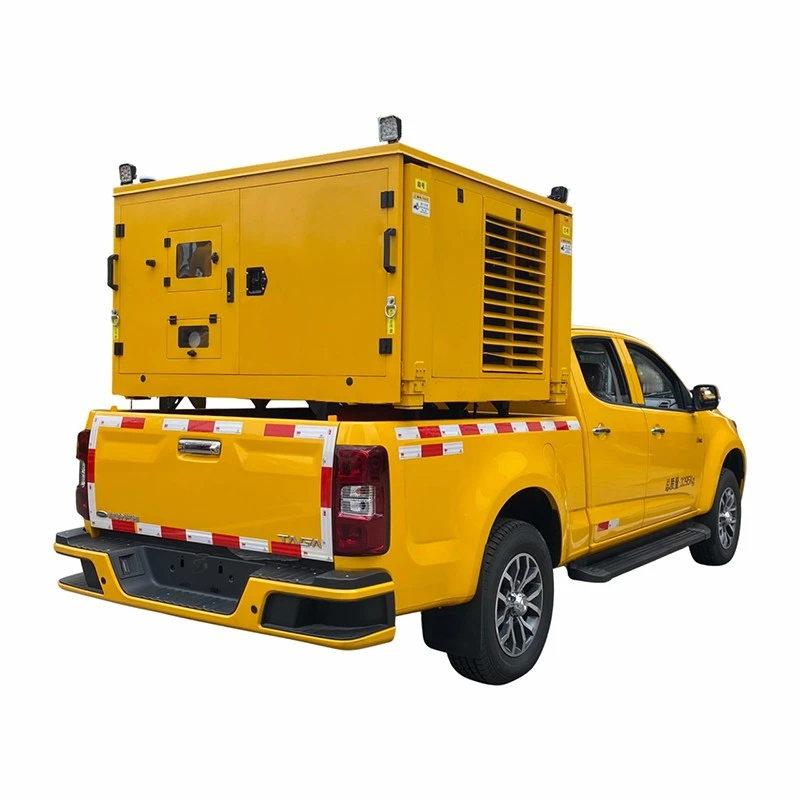
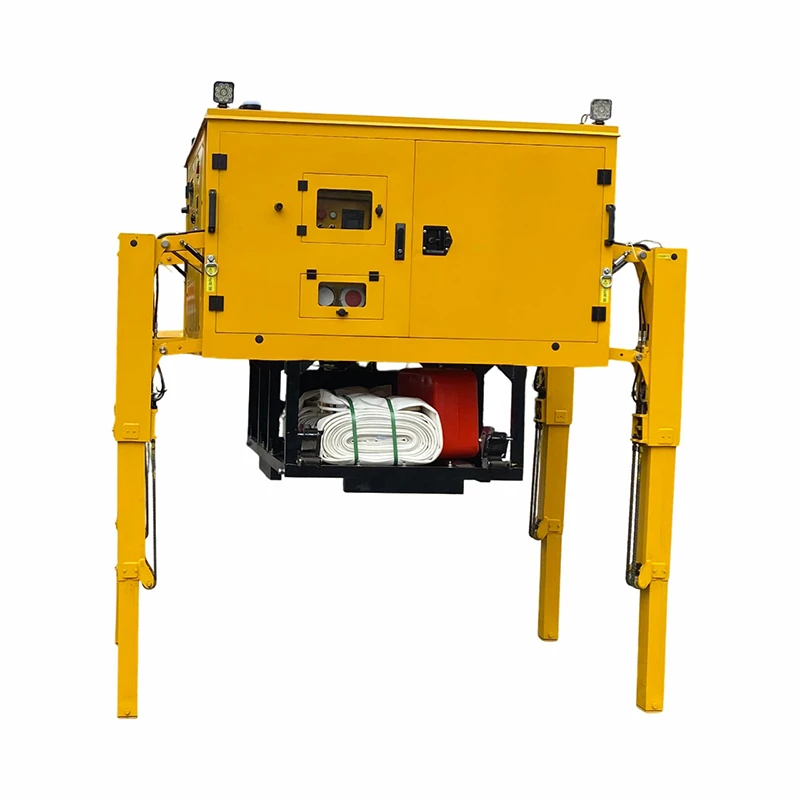
In flood control, the Mobile Drain Pump Truck for Flood Control plays a vital role. Monitoring the flow rate and head pressure is especially important to ensure that the pump can handle the large volume of water during a flood. Additionally, power consumption and temperature monitoring are necessary to prevent overheating and ensure the continuous operation of the pump.
Conclusion
Monitoring the right parameters for a mobile drainage pump is essential for ensuring its efficient and reliable operation. By regularly monitoring flow rate, head pressure, power consumption, temperature, vibration, and noise, you can detect potential problems early and take appropriate action to prevent costly breakdowns.
If you are in the market for a high - quality mobile drainage pump or need more information about pump monitoring, please feel free to contact us for procurement and further discussions. We are committed to providing you with the best products and solutions to meet your specific needs.
References
- "Pump Handbook" by Igor J. Karassik, Joseph P. Messina, Paul Cooper, and Charles C. Heald.
- "Centrifugal Pumps: Design and Application" by I. J. Karassik and J. P. Messina.
- Technical documents provided by pump manufacturers.