


As a reputable supplier of mobile drainage pumps, I often get asked about the materials used in their construction. The choice of materials is crucial as it directly impacts the pump's performance, durability, and suitability for various applications. In this blog post, I'll delve into the different materials commonly used to make mobile drainage pumps and explain their significance.
Metal Alloys
Metal alloys are the most prevalent materials in mobile drainage pump construction. They offer a combination of strength, durability, and resistance to corrosion, making them ideal for handling various types of fluids, including water, sewage, and industrial waste.
Cast Iron
Cast iron is a popular choice for pump casings and impellers due to its high strength and wear resistance. It can withstand the high pressures and abrasive forces generated during pumping operations. Cast iron is also relatively inexpensive, making it a cost - effective option for many applications. However, it is prone to rust if not properly protected. To mitigate this, cast iron components are often coated with a protective layer of paint or epoxy.
Stainless Steel
Stainless steel is another commonly used metal alloy in mobile drainage pumps. It is highly resistant to corrosion, making it suitable for pumping corrosive fluids such as seawater, chemicals, and acidic wastewater. Stainless steel also has excellent strength and durability, ensuring a long service life for the pump. Although it is more expensive than cast iron, its corrosion resistance and longevity make it a worthwhile investment, especially in harsh environments.
Aluminum
Aluminum is a lightweight metal alloy that is often used in the construction of portable mobile drainage pumps. It offers good strength - to - weight ratio, making the pumps easy to transport and maneuver. Aluminum is also resistant to corrosion, although not as much as stainless steel. It is commonly used for pump housings, covers, and some non - critical components. However, it may not be suitable for high - pressure applications due to its relatively lower strength compared to cast iron and stainless steel.
Plastics
Plastics are increasingly being used in mobile drainage pumps, especially for non - structural components. They offer several advantages, including low cost, lightweight, and chemical resistance.
Polypropylene
Polypropylene is a thermoplastic polymer that is commonly used in pump impellers, volutes, and other internal components. It is resistant to a wide range of chemicals, including acids, alkalis, and solvents. Polypropylene is also lightweight, which helps to reduce the overall weight of the pump. Additionally, it has good impact resistance and can withstand moderate temperatures.
PVC (Polyvinyl Chloride)
PVC is another popular plastic material used in mobile drainage pumps. It is often used for pipes, fittings, and some pump housings. PVC is known for its low cost, ease of installation, and chemical resistance. It is suitable for pumping non - corrosive fluids such as water and some mild chemicals. However, it has limited temperature resistance and may become brittle at low temperatures.
Rubber and Elastomers
Rubber and elastomers are used in mobile drainage pumps to provide sealing, damping, and flexibility.
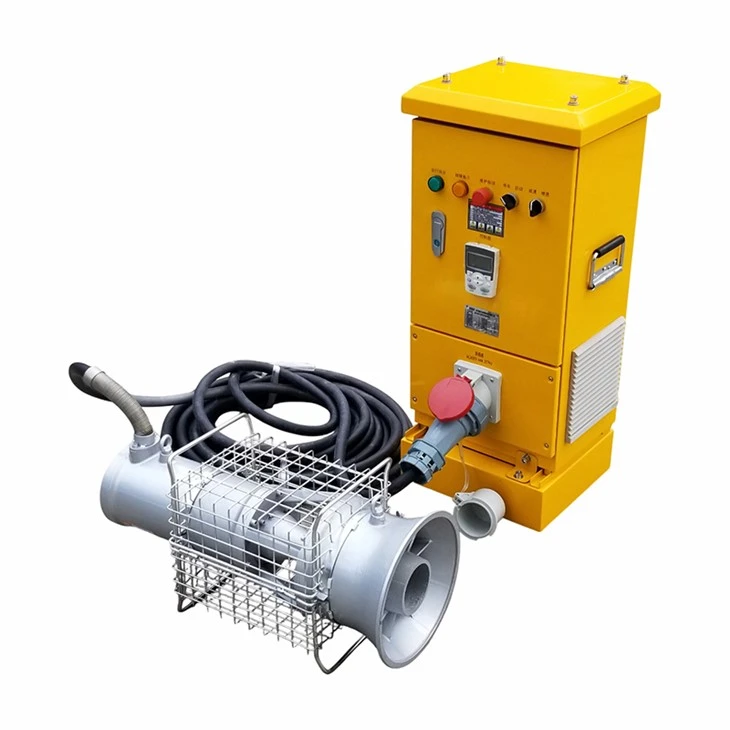

Nitrile Rubber
Nitrile rubber is a synthetic rubber that is commonly used for gaskets, seals, and O - rings in pumps. It has excellent resistance to oil, fuel, and chemicals, making it suitable for use in pumps that handle these types of fluids. Nitrile rubber also has good mechanical properties, including high tensile strength and abrasion resistance.
EPDM (Ethylene Propylene Diene Monomer)
EPDM is an elastomer that is known for its excellent weather resistance, ozone resistance, and heat resistance. It is often used for seals and gaskets in outdoor pumps or pumps that are exposed to harsh environmental conditions. EPDM also has good flexibility and can maintain its sealing properties over a wide range of temperatures.
Composite Materials
Composite materials are made by combining two or more different materials to create a material with enhanced properties. In mobile drainage pumps, composite materials are used to improve the strength, durability, and performance of the pump.
Fiberglass Reinforced Plastic (FRP)
FRP is a composite material made of glass fibers embedded in a polymer matrix. It offers high strength, corrosion resistance, and lightweight. FRP is often used for pump housings, covers, and some structural components. It can withstand harsh environmental conditions and is suitable for use in both on - shore and off - shore applications.
Applications and Material Selection
The choice of materials for a mobile drainage pump depends on the specific application and the type of fluid being pumped. For example, if you are pumping clean water in a residential or commercial setting, a pump with a cast iron casing and a polypropylene impeller may be sufficient. On the other hand, if you are dealing with seawater or corrosive chemicals, a pump made of stainless steel or FRP would be a better choice.
- Floodwater Drainage: In floodwater drainage applications, pumps need to be able to handle large volumes of water quickly. A Floodwater Drainage Mobile Pump with a cast iron or stainless - steel casing and a robust impeller is often used. These materials can withstand the abrasive nature of floodwater, which may contain sediment, debris, and other solid particles.
- Diesel - Powered Applications: Diesel Drainage Pump Truck are commonly used in construction sites, mines, and other industrial applications. The pump components need to be able to withstand the high - pressure and high - flow conditions associated with diesel - powered pumps. Stainless steel and cast iron are often used for the pump casings and impellers, while rubber seals and gaskets are used to prevent leaks.
- Emergency Drainage: Uninterrupted Emergency Drainage Pump are designed to provide reliable and continuous operation during emergencies. These pumps are often made of high - quality materials such as stainless steel and FRP to ensure durability and corrosion resistance. The use of advanced composite materials can also help to reduce the weight of the pump, making it easier to transport and deploy quickly.
Conclusion
The materials used to make mobile drainage pumps play a crucial role in determining their performance, durability, and suitability for different applications. Metal alloys such as cast iron, stainless steel, and aluminum offer strength and durability, while plastics, rubber, and composite materials provide additional benefits such as lightweight, chemical resistance, and flexibility.
If you are in the market for a mobile drainage pump, it is important to consider the specific requirements of your application and choose a pump made of the appropriate materials. As a leading supplier of mobile drainage pumps, we have a wide range of pumps available, each designed to meet the unique needs of our customers. Whether you need a pump for floodwater drainage, diesel - powered applications, or emergency situations, we can provide you with the right solution.
Contact us today to discuss your requirements and start the procurement process. Our team of experts is ready to assist you in selecting the best mobile drainage pump for your needs.
References
- "Pump Handbook" by Igor J. Karassik, Joseph P. Messina, Paul Cooper, and Charles C. Heald.
- "Materials Science and Engineering: An Introduction" by William D. Callister Jr. and David G. Rethwisch.