


What materials are used in the construction of a fire water supply pump?
As a supplier of fire water supply pumps, I often encounter inquiries about the materials used in their construction. Understanding the materials is crucial as it directly impacts the pump's performance, durability, and suitability for different applications. In this blog, I'll delve into the various materials commonly employed in the manufacturing of fire water supply pumps and explain their significance.
Cast Iron
Cast iron is one of the most widely used materials in fire water supply pump construction. It is valued for its excellent strength, durability, and corrosion resistance. Cast iron pumps can withstand high pressures and are suitable for both residential and commercial fire protection systems. The thick walls of cast iron pumps provide stability and help to dampen vibrations during operation.
One of the key advantages of cast iron is its ability to resist wear and tear. In fire protection applications, pumps may be subjected to abrasive particles in the water, such as sand or sediment. Cast iron's hardness makes it less susceptible to damage from these particles, ensuring a longer service life for the pump. Additionally, cast iron is relatively inexpensive compared to some other materials, making it a cost - effective choice for many fire water supply systems.
Stainless Steel
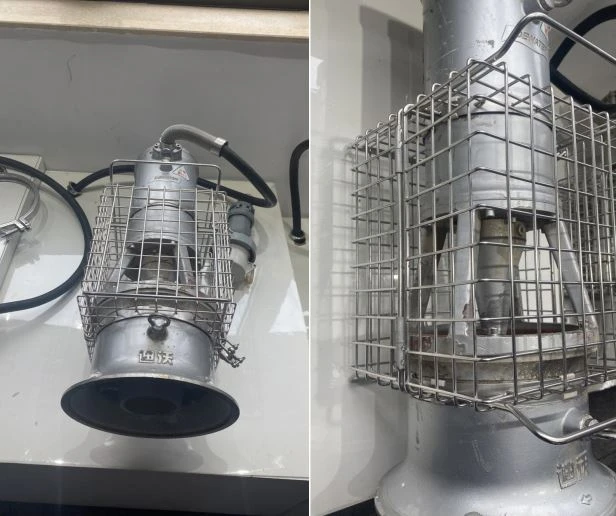
Stainless steel is another popular material for fire water supply pumps, especially in applications where corrosion resistance is of utmost importance. Stainless steel contains chromium, which forms a passive oxide layer on the surface of the material, protecting it from rust and corrosion. This makes stainless steel pumps ideal for use in coastal areas, where the water may be brackish or in industrial settings where the water may be contaminated with chemicals.
Stainless steel pumps are also known for their high strength - to - weight ratio. They are lighter than cast iron pumps of the same size, which can be an advantage in installations where weight is a concern, such as on offshore platforms or in high - rise buildings. Moreover, stainless steel has a smooth surface finish, which reduces friction and improves the pump's efficiency. This can lead to energy savings over the long term.
Bronze
Bronze is a copper - based alloy that is often used in the construction of impellers and other internal components of fire water supply pumps. Bronze offers excellent corrosion resistance, especially in fresh water applications. It is also a relatively soft material, which makes it easy to machine into complex shapes.
The impeller is a critical component of a pump, as it is responsible for converting mechanical energy into hydraulic energy. Bronze impellers are known for their good cavitation resistance. Cavitation occurs when the pressure in the pump drops below the vapor pressure of the water, causing the formation of vapor bubbles. These bubbles can collapse violently, causing damage to the impeller and reducing the pump's efficiency. Bronze's properties help to minimize the effects of cavitation, ensuring smooth and efficient pump operation.
Ductile Iron
Ductile iron is a type of cast iron that has been treated to improve its ductility and toughness. It has a graphite structure that gives it better mechanical properties than traditional cast iron. Ductile iron pumps are often used in large - scale fire water supply systems, such as those in industrial complexes or large commercial buildings.
The high strength and ductility of ductile iron allow it to withstand higher pressures and stresses than cast iron. This makes it suitable for applications where the pump needs to deliver water over long distances or at high flow rates. Ductile iron also has good corrosion resistance, although it may require additional protective coatings in more aggressive environments.
Plastic and Composite Materials
In recent years, plastic and composite materials have started to gain popularity in the construction of fire water supply pumps. These materials offer several advantages, including low weight, corrosion resistance, and ease of manufacturing.
Plastic pumps are often used in small - scale residential fire protection systems or in applications where the pump needs to be portable. They are typically made from materials such as polypropylene or polyethylene, which are resistant to a wide range of chemicals. Composite materials, which are made by combining different materials such as fiberglass and resin, can offer a combination of strength, light weight, and corrosion resistance.
However, plastic and composite pumps may have limitations in terms of their temperature and pressure ratings. They are generally not suitable for high - temperature or high - pressure applications, and their long - term durability may be a concern in some cases.
Considerations for Material Selection
When selecting the materials for a fire water supply pump, several factors need to be considered. The first is the nature of the water source. If the water is fresh and clean, cast iron or bronze may be sufficient. However, if the water is brackish, contaminated with chemicals, or has a high level of suspended solids, stainless steel or other corrosion - resistant materials may be required.
The operating conditions of the pump also play a crucial role. High - pressure applications may require materials with high strength, such as ductile iron or stainless steel. In contrast, portable pumps may benefit from the use of lightweight materials like plastic or composite materials.
Cost is another important consideration. While stainless steel and some high - performance materials offer excellent properties, they can be more expensive than cast iron or plastic. Balancing the cost with the required performance and durability is essential to ensure that the fire water supply system is both effective and cost - efficient.
Our Product Range
At our company, we offer a wide range of fire water supply pumps made from different materials to meet the diverse needs of our customers. Whether you need a pump for a small residential building or a large industrial complex, we have the right solution for you.
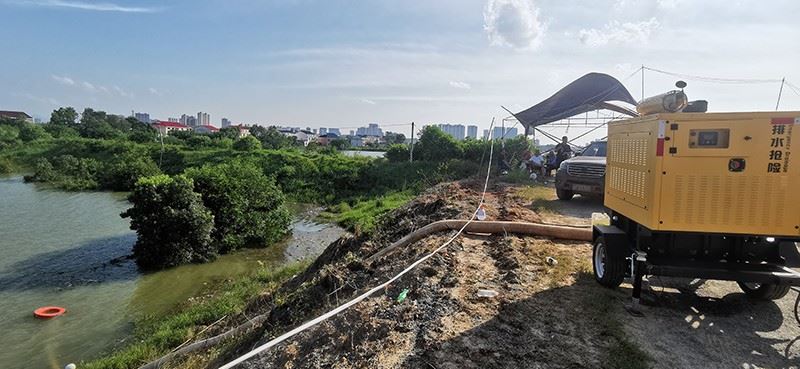
We also provide Reservoir Burst Drainage Emergency Pump, which are designed to handle emergency situations where rapid water drainage is required. Our Trailer Mounted Drainage Pump are highly portable and can be easily transported to different locations. And our Municipal Emergency Rescue Pump are specifically engineered for municipal emergency response teams.
If you are in the market for a fire water supply pump or any of our related products, we encourage you to contact us for a detailed discussion about your requirements. Our team of experts can help you select the right pump and the appropriate materials based on your specific needs. We are committed to providing high - quality products and excellent customer service.
References
- "Pump Handbook" by Igor Karassik et al.
- "Materials Science and Engineering: An Introduction" by William D. Callister Jr. and David G. Rethwisch.
- Industry standards and guidelines related to fire water supply pumps.