


As a supplier of Drought Relief Drainage Pumps, I often get asked about the working principle of these essential machines. In this blog post, I'll explain how these pumps operate, their significance in drought relief, and why you should consider partnering with us for your water management needs.
Understanding the Basics of a Drought Relief Drainage Pump
A Drought Relief Drainage Pump is a specialized device designed to move water from one location to another, typically from areas of excess water to those in need. These pumps play a crucial role in drought - affected regions by helping to redistribute water resources, irrigate crops, and maintain water levels in reservoirs and water supply systems.
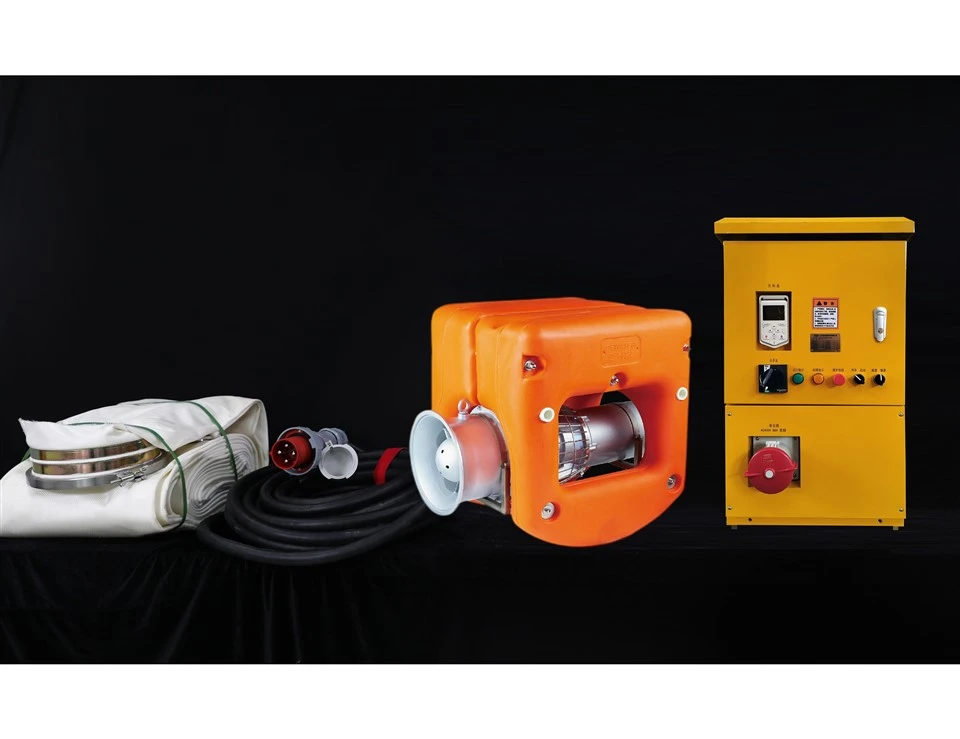
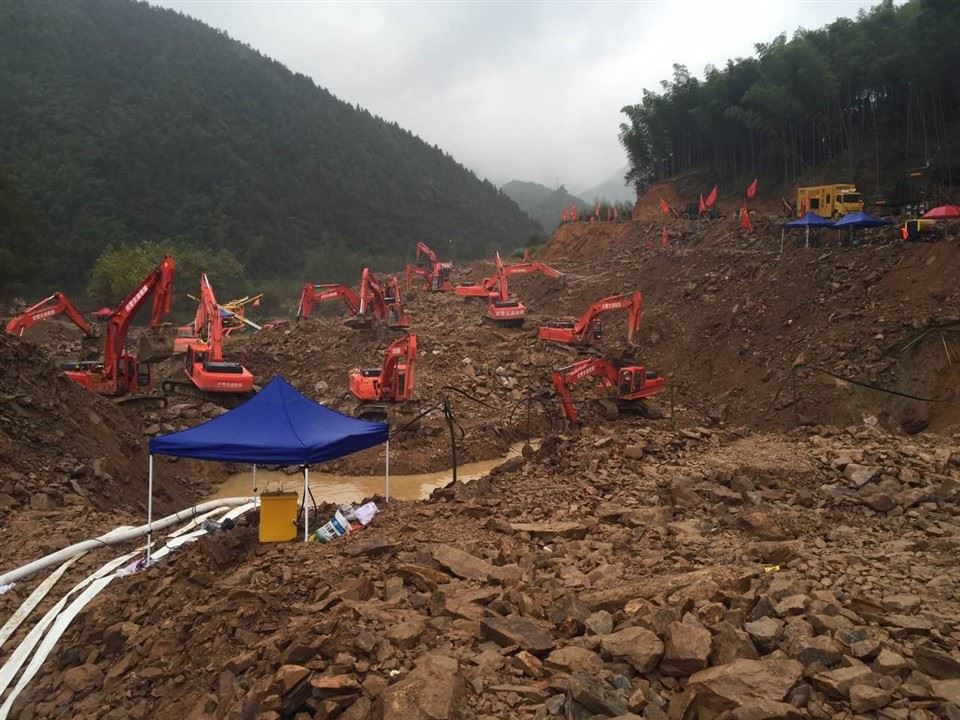
The basic components of a typical Drought Relief Drainage Pump include an impeller, a casing, a motor, and inlet and outlet ports. The impeller is the heart of the pump, which rotates at high speed to create a centrifugal force that draws water into the pump through the inlet port. The water is then accelerated by the impeller and forced out through the outlet port into the desired location.
Centrifugal Force: The Driving Mechanism
The working principle of most Drought Relief Drainage Pumps is based on centrifugal force. When the motor of the pump starts, it rotates the impeller, which is usually a set of curved blades attached to a central shaft. As the impeller spins, the water that enters the pump is thrown outward by the centrifugal force generated by the rotating blades.
This outward movement of water creates a low - pressure area at the center of the impeller, which in turn draws more water into the pump from the inlet. The water is then directed towards the outlet port under pressure, allowing it to be transported over a significant distance or to a higher elevation.
The efficiency of a centrifugal pump depends on several factors, including the design of the impeller, the speed of rotation, and the viscosity and density of the water being pumped. A well - designed impeller can maximize the conversion of mechanical energy into hydraulic energy, resulting in a more efficient pumping process.
Types of Drought Relief Drainage Pumps
There are several types of Drought Relief Drainage Pumps available in the market, each with its own working principle and application.
Submersible Pumps
Submersible pumps are designed to be fully submerged in water. They are often used in wells, ponds, and other water sources to pump water to the surface. The motor of a submersible pump is hermetically sealed to prevent water from entering and damaging the electrical components. These pumps are highly efficient and can handle large volumes of water, making them suitable for both domestic and industrial drought relief applications.
Centrifugal Pumps
As mentioned earlier, centrifugal pumps are the most common type of Drought Relief Drainage Pumps. They are relatively simple in design, easy to operate, and can be used in a wide range of applications. Centrifugal pumps can be further classified into single - stage and multi - stage pumps. Single - stage pumps have a single impeller, while multi - stage pumps have multiple impellers arranged in series to increase the pumping pressure.
Positive Displacement Pumps
Positive displacement pumps work by trapping a fixed amount of water and then forcing it out of the pump chamber. These pumps are suitable for pumping viscous fluids and can generate high pressures. Examples of positive displacement pumps include piston pumps, diaphragm pumps, and gear pumps. While they may not be as commonly used for large - scale drought relief as centrifugal pumps, they are still valuable in certain applications where precise control of flow rate and pressure is required.
The Role of Drought Relief Drainage Pumps in Water Management
In drought - affected regions, Drought Relief Drainage Pumps are essential for maintaining water supplies for agriculture, industry, and domestic use. By pumping water from rivers, lakes, and underground sources, these pumps can help to irrigate crops, which is crucial for food security. They can also be used to fill reservoirs and water storage tanks, ensuring a continuous supply of water during dry periods.
Moreover, Drought Relief Drainage Pumps can be used in flood control and water management systems. During heavy rainfall, these pumps can be used to quickly remove excess water from low - lying areas, preventing flooding and minimizing damage to property and infrastructure.
Our Product Range
As a leading supplier of Drought Relief Drainage Pumps, we offer a wide range of high - quality pumps to meet the diverse needs of our customers. Our product portfolio includes Emergency Dewatering Pump, which are designed for rapid water removal in emergency situations, Rescue Mobile Drainage Pump that can be easily transported to the site of a disaster, and Disaster Water Drainage Equipment for large - scale water management during natural disasters.
Our pumps are built with the latest technology and high - quality materials to ensure reliability, efficiency, and durability. We also provide comprehensive after - sales service and technical support to our customers, ensuring that they get the most out of their investment.
Why Choose Us?
When it comes to purchasing Drought Relief Drainage Pumps, there are several reasons why you should choose us as your supplier. Firstly, we have a team of experienced engineers and technicians who can provide expert advice on the selection and installation of the right pump for your specific needs. Secondly, our products are competitively priced, offering you the best value for your money. Thirdly, we have a strong commitment to quality and customer satisfaction, and we stand behind our products with a comprehensive warranty.
Contact Us for Your Drought Relief Pump Needs
If you are in the market for a Drought Relief Drainage Pump, we encourage you to contact us. Our team of professionals is ready to assist you in choosing the right pump for your application, providing detailed product information, and offering competitive pricing. Whether you need a small - scale pump for your farm or a large - scale system for industrial use, we have the solution for you.
References
- "Pump Handbook" by Igor J. Karassik et al.
- "Centrifugal Pumps: Design and Application" by Heinz P. Bloch.
- Industry standards and guidelines related to water pumping and management.