


Hey there! As a supplier of Rescue Mobile Drainage Pumps, I often get asked about the self - priming ability of these pumps. And trust me, it's one of the most crucial features to understand, especially when it comes to emergency situations.
What the Heck is Self - Priming Ability?
Let's start from the basics. Self - priming ability refers to a pump's capability to remove air from the suction line and create a vacuum, which then allows it to draw in water without the need for external priming. In simpler terms, it can start working and suck up water on its own without you having to do a whole bunch of prep work.
For a Rescue Mobile Drainage Pump, this is a game - changer. When there's a flood, a burst pipe, or any other water - related emergency, time is of the essence. You don't have hours to set up and prime the pump. A pump with good self - priming ability can be up and running in no time, getting that excess water out of there before it causes more damage.
How Does It Work?
The self - priming mechanism in a Rescue Mobile Drainage Pump usually involves a combination of design elements. Most pumps have an air - water separation chamber. When the pump starts, it begins to expel air from the suction pipe. The air and a small amount of water are drawn into this chamber.
As the air is pushed out through the discharge port, the water remains in the chamber. This water then helps to create a seal and maintain the vacuum. Once the air is completely removed from the suction line, the pump can start pumping water continuously.
Some pumps use a recirculation system. In this setup, a portion of the pumped water is redirected back to the suction side to help with the priming process. This ensures that there's always enough water in the system to keep the priming going until the pump can fully draw in the water from the source.
Why Is It So Important for Rescue Operations?
In rescue scenarios, every second counts. Whether it's a flooded basement, a water - logged construction site, or an area affected by a natural disaster, a pump with a strong self - priming ability can make all the difference.
Imagine a situation where a heavy storm has caused flooding in a residential area. The Rescue Mobile Drainage Pump needs to be deployed quickly to prevent further water damage to homes and infrastructure. If the pump has to be manually primed, it could take precious minutes or even hours. But with self - priming ability, the pump can start working almost immediately, reducing the risk of property damage and helping to keep people safe.
Our Self - Priming Rescue Mobile Drainage Pumps
At our company, we take pride in offering Rescue Mobile Drainage Pumps with excellent self - priming capabilities. Our pumps are designed to be reliable and efficient, even in the most challenging conditions.
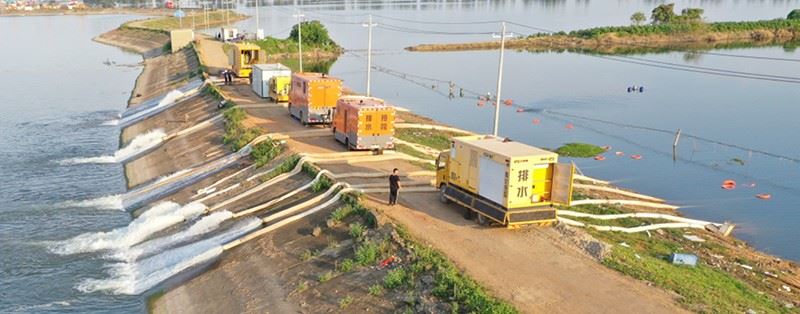
We've got a range of models to suit different needs. For example, our Diesel Drainage Pump Truck is a great option for large - scale flood - control operations. It's mounted on a truck, which means it can be easily transported to the site of an emergency. And its self - priming ability ensures that it can start working right away, pumping out large volumes of water quickly.
If you're dealing with tunnel emergencies, our Tunnel Emergency Drainage Equipment is a top - notch choice. Tunnels can be tricky to drain, especially during heavy rainfall or when there's a water leak. But our equipment's self - priming feature allows it to handle the situation efficiently, keeping the tunnel safe and dry.
For agricultural emergencies, like sudden floods in farmland or the need for quick water supply, our Agricultural Emergency Water Supply Pump is the way to go. It's designed to be easy to operate and has a fast self - priming time, so farmers can get back to their work as soon as possible.
Factors Affecting Self - Priming Ability
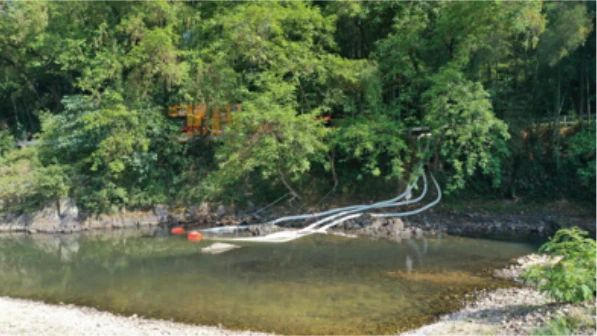
There are a few factors that can affect a pump's self - priming ability. One of the main ones is the suction lift. The suction lift refers to the vertical distance between the water source and the pump. The higher the suction lift, the more difficult it can be for the pump to prime itself. Our pumps are designed to handle reasonable suction lifts, but it's still something to keep in mind when choosing the right pump for your needs.
The type of fluid being pumped also matters. If the water contains a lot of debris, it can clog the pump and affect its self - priming ability. That's why our pumps often come with built - in strainers or filters to prevent debris from entering the system and causing problems.
Another factor is the ambient temperature. In cold temperatures, the viscosity of water increases, which can make it harder for the pump to prime. Our pumps are engineered to work well in a wide range of temperatures, but extreme cold might still have an impact on the self - priming process.
Maintenance for Optimal Self - Priming
To keep your Rescue Mobile Drainage Pump's self - priming ability in top shape, regular maintenance is key. You should check the pump's seals and gaskets regularly to make sure there are no leaks. A leak can allow air to enter the system, which will make it harder for the pump to prime.
Cleaning the strainer or filter is also important. As I mentioned earlier, debris can clog the pump and affect its performance. By cleaning the filter regularly, you can ensure that water can flow freely through the pump and that the self - priming mechanism works as it should.
Wrapping It Up and Reaching Out
So, there you have it! The self - priming ability of a Rescue Mobile Drainage Pump is a vital feature that can save time, money, and even lives in emergency situations. Whether you're dealing with floods, tunnel emergencies, or agricultural water issues, our pumps have got you covered.
If you're in the market for a high - quality Rescue Mobile Drainage Pump with excellent self - priming capabilities, don't hesitate to reach out. We're here to help you find the perfect pump for your needs. Let's start a conversation and see how we can work together to solve your water - related problems.
References
- Pump Handbook: A Guide to Pump Selection and Operation
- Emergency Water Management Best Practices