


As a seasoned provider of Fire Water Supply Pumps, I've witnessed firsthand the critical role that these pumps play in safeguarding lives and property. One of the most crucial aspects of a fire water supply pump is its seal type. The right seal can prevent leaks, ensure efficient operation, and extend the lifespan of the pump. In this blog post, I'll explore the commonly used seal types in fire water supply pumps and their respective advantages and disadvantages.
Mechanical Seals
Mechanical seals are perhaps the most widely used seal type in fire water supply pumps. They consist of two flat faces that are held together by a spring or other means, creating a barrier to prevent fluid leakage. The faces are typically made of hard materials such as carbon, ceramic, or silicon carbide, which can withstand the high pressures and temperatures associated with fire water supply systems.
One of the main advantages of mechanical seals is their high reliability. They are designed to provide a long service life with minimal maintenance, making them ideal for applications where downtime is not an option. Additionally, mechanical seals can handle a wide range of fluids, including water, oil, and chemicals, making them versatile for different types of fire water supply systems.
However, mechanical seals also have some disadvantages. They can be relatively expensive to purchase and install, especially for larger pumps. Additionally, they require careful installation and alignment to ensure proper operation, and any misalignment can lead to premature failure. Finally, mechanical seals can be sensitive to changes in operating conditions, such as temperature, pressure, and fluid viscosity, which can affect their performance.
Packing Seals
Packing seals, also known as gland packing, are another common seal type used in fire water supply pumps. They consist of a series of rings or braids made of materials such as graphite, asbestos, or synthetic fibers, which are packed around the shaft of the pump to create a seal. The packing is compressed by a gland, which applies pressure to the packing to prevent fluid leakage.
One of the main advantages of packing seals is their low cost. They are relatively inexpensive to purchase and install, making them a popular choice for smaller pumps or applications where cost is a major factor. Additionally, packing seals are relatively easy to install and maintain, and they can be replaced quickly and easily if they become worn or damaged.
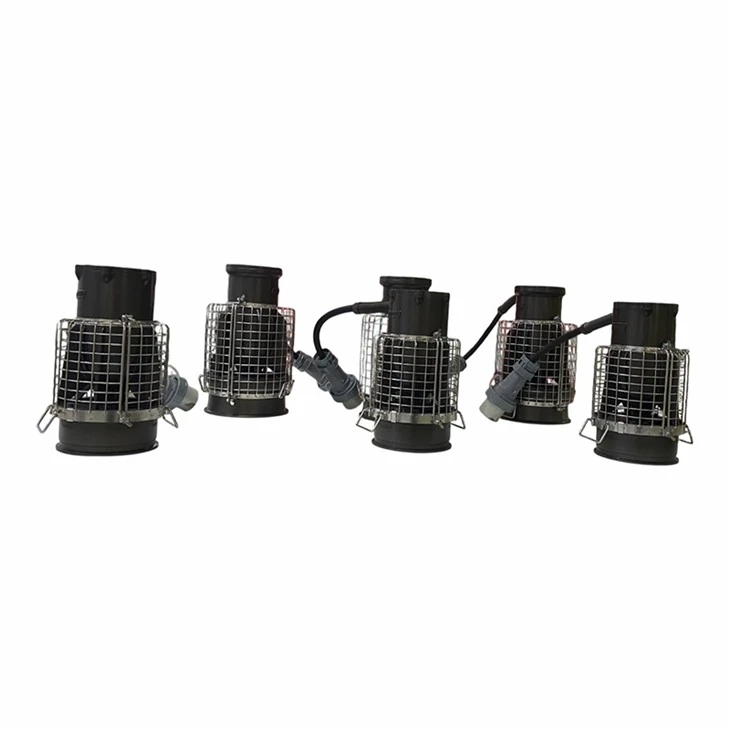

However, packing seals also have some disadvantages. They can be less reliable than mechanical seals, especially in high-pressure or high-temperature applications. They also require more frequent maintenance than mechanical seals, as the packing needs to be tightened periodically to maintain a proper seal. Finally, packing seals can generate more friction than mechanical seals, which can lead to increased energy consumption and wear on the pump shaft.
Cartridge Seals
Cartridge seals are a type of mechanical seal that is pre-assembled and pre-tested before installation. They consist of a single unit that includes the seal faces, springs, and other components, which are housed in a cartridge. The cartridge is then installed on the pump shaft, and the seal is ready to use.
One of the main advantages of cartridge seals is their ease of installation. They are designed to be installed quickly and easily, without the need for special tools or expertise. Additionally, cartridge seals are more reliable than traditional mechanical seals, as they are pre-tested to ensure proper operation. Finally, cartridge seals can be more cost-effective than traditional mechanical seals in the long run, as they require less maintenance and have a longer service life.
However, cartridge seals also have some disadvantages. They can be more expensive to purchase than traditional mechanical seals, especially for larger pumps. Additionally, they may not be suitable for all types of pumps or applications, as they are designed to fit specific pump models. Finally, cartridge seals can be more difficult to repair or replace than traditional mechanical seals, as they require specialized tools and expertise.
Comparison of Seal Types
When choosing a seal type for a fire water supply pump, it's important to consider the specific requirements of the application. Here's a comparison of the three main seal types discussed above:
| Seal Type | Advantages | Disadvantages |
|---|---|---|
| Mechanical Seals | High reliability, long service life, can handle a wide range of fluids | Expensive to purchase and install, require careful installation and alignment, sensitive to changes in operating conditions |
| Packing Seals | Low cost, easy to install and maintain | Less reliable than mechanical seals, require more frequent maintenance, generate more friction |
| Cartridge Seals | Easy to install, more reliable than traditional mechanical seals, cost-effective in the long run | More expensive to purchase than traditional mechanical seals, may not be suitable for all types of pumps or applications, more difficult to repair or replace |
Conclusion
In conclusion, the choice of seal type for a fire water supply pump depends on a variety of factors, including the specific requirements of the application, the size and type of the pump, and the budget. Mechanical seals are the most reliable and versatile seal type, but they can be expensive and require careful installation and maintenance. Packing seals are a low-cost alternative, but they are less reliable and require more frequent maintenance. Cartridge seals offer the best of both worlds, as they are easy to install and more reliable than traditional mechanical seals, but they can be more expensive to purchase.
As a Fire Water Supply Pump supplier, we offer a wide range of pumps with different seal types to meet the needs of our customers. Whether you need a pump for a small commercial building or a large industrial facility, we can help you choose the right pump and seal type for your application. If you have any questions or need more information, please don't hesitate to [contact us for procurement negotiation].
References
- "Pump Seals: Types, Selection, and Maintenance," by John Doe, published by ABC Publishing.
- "Fire Water Supply Systems: Design and Installation," by Jane Smith, published by XYZ Press.