


Hey there! As a supplier of Rescue Mobile Drainage Pumps, I often get asked about the rated current of these pumps. So, I thought I'd take a moment to break it down for you.
What is Rated Current?
First things first, let's talk about what rated current actually means. In simple terms, the rated current of an electrical device, like our rescue mobile drainage pump, is the maximum amount of electric current that the device can safely carry under normal operating conditions. It's kind of like the speed limit for electricity in the pump.
When a pump operates at its rated current, it runs effectively and efficiently, doing its job of moving water without overheating or causing damage to its internal components. If the current exceeds the rated value, it can lead to all sorts of problems, such as overheating, which can reduce the pump's lifespan and even cause it to malfunction.
Factors Affecting the Rated Current of a Rescue Mobile Drainage Pump
A bunch of things can influence the rated current of a rescue mobile drainage pump. One of the main factors is the power of the pump motor. Generally speaking, the more powerful the motor, the higher the rated current. This is because a more powerful motor needs more electrical energy to run, and current is a measure of the flow of that energy.
For example, if you have a pump with a small motor that's designed for light - duty tasks, like draining a small pool or a flooded basement, it will have a lower rated current compared to a heavy - duty pump used for large - scale flood rescue operations, such as in a subway or a mine.
The pump's efficiency also plays a role. A more efficient pump can do the same amount of work with less electrical energy, meaning it will draw less current. We always strive to design our pumps to be as efficient as possible to reduce energy consumption and keep the rated current at an optimal level.
Another factor is the type of load the pump is carrying. When the pump is pumping against a high head (the vertical distance the water has to be lifted), it has to work harder, and this increases the rated current. Similarly, if the water being pumped is thick or has a lot of solids in it, the pump also has to use more energy, which again raises the current draw.
Understanding the Significance of Rated Current
Knowing the rated current of a rescue mobile drainage pump is super important, especially in emergency situations. Rescue teams rely on these pumps to quickly remove water from flooded areas. If they don't understand the rated current, they might overload the electrical supply, which can cause power outages and disrupt the rescue operation.
Also, for maintenance purposes, understanding the rated current helps technicians diagnose problems. If the pump is drawing too much current, it could indicate a mechanical issue, like a blocked impeller or worn - out bearings. On the other hand, if the current is too low, it might mean there's a problem with the electrical connection or the motor itself.
Rated Current in Different Applications
Let's look at how rated current varies in different applications of our rescue mobile drainage pumps.
Mine Flooded Drainage
In mines, when there's a flood, our Mine Flooded Drainage Rescue Equipment has to be able to handle large volumes of water quickly. These pumps are usually quite powerful and have a higher rated current. Mines can also have specific electrical safety requirements, so the rated current is carefully calibrated to meet these standards while still providing the necessary pumping capacity.
Seawater Backfilling
When it comes to Seawater Backfilling Drainage Pump, the situation is a bit different. Seawater is denser than fresh water, which means the pump has to work harder to move it. As a result, these pumps often have a higher rated current compared to pumps used for fresh - water drainage. The materials used in these pumps also need to be corrosion - resistant, which can add to the complexity of the design and influence the rated current.
Subway Floods
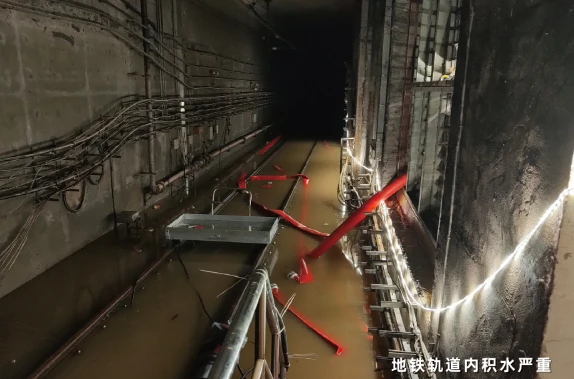
Subways are another critical area where our pumps are used. Subway Flood Pump needs to be able to start up quickly and efficiently to prevent water from causing damage to the subway infrastructure. These pumps usually have a moderate rated current, as they need to be able to operate on the available electrical supply in the subway system. However, they also need to be able to handle high - volume water removal in case of a major flood.
How We Determine the Rated Current
At our company, we use a combination of engineering calculations and real - world testing to determine the rated current of our rescue mobile drainage pumps. We start by designing the pump based on the desired performance characteristics, such as flow rate and head. Then, we calculate the power requirements of the motor and estimate the current draw.
After that, we build prototypes and test them under various conditions. We measure the actual current draw during operation and make adjustments to the design if necessary. This process ensures that our pumps have accurate and reliable rated current values.
Why Choose Our Rescue Mobile Drainage Pumps
Our rescue mobile drainage pumps are designed with a focus on performance, reliability, and safety. We carefully calibrate the rated current to ensure that the pumps can operate effectively in a wide range of conditions. Whether it's a small - scale flood in a basement or a large - scale emergency in a mine or subway, our pumps are up to the task.
We also provide comprehensive technical support to our customers. If you have any questions about the rated current or any other aspect of our pumps, our team of experts is always ready to help.
Let's Talk About Your Needs
If you're in the market for a rescue mobile drainage pump, I'd love to have a chat with you. Whether you're a rescue team, a construction company, or a facility manager, we can help you find the right pump for your specific requirements. Just reach out to us, and we'll work with you to understand your needs and provide the best solution. Don't hesitate to contact us for a detailed discussion and to start the procurement process.

References
- Electrical Engineering Handbook, various editions.
- Pump Design and Application Manuals from industry - leading organizations.