


Hey there! As a supplier of Traction Large Flow Pumps, I often get asked about the power consumption of these bad boys. So, I thought I'd sit down and write a blog post to break it all down for you.
First off, let's talk about what a Traction Large Flow Pump is. These pumps are designed to move large volumes of fluid quickly and efficiently. They're commonly used in a variety of industries, including mining, construction, and agriculture. Whether you're draining a flooded mine, irrigating a large field, or moving water in a construction site, a Traction Large Flow Pump can get the job done.
Now, when it comes to power consumption, there are a few factors that come into play. The first and most obvious is the size and capacity of the pump. Generally speaking, the larger the pump and the higher the flow rate it can achieve, the more power it will consume. This is because it takes more energy to move a larger volume of fluid at a faster rate.
Another important factor is the type of power source the pump uses. Traction Large Flow Pumps can be powered by electricity, diesel, or gasoline. Each power source has its own advantages and disadvantages in terms of power consumption.
Electric pumps are often the most energy - efficient option. They convert electrical energy directly into mechanical energy to drive the pump. However, they require a reliable source of electricity, which may not always be available in remote locations. The power consumption of an electric Traction Large Flow Pump is usually measured in kilowatts (kW). A typical large - flow electric pump might consume anywhere from 10 kW to 100 kW or more, depending on its size and flow rate.
Diesel - powered pumps, on the other hand, are more versatile as they can operate independently of an electrical grid. Diesel engines are known for their high torque, which is great for driving large pumps. But diesel engines are also less energy - efficient than electric motors. The power consumption of a diesel Traction Large Flow Pump is usually measured in liters per hour (L/h) of diesel fuel. A medium - sized diesel pump might consume around 10 - 20 L/h, while a larger one could consume 50 L/h or more.
Gasoline - powered pumps are similar to diesel - powered ones in terms of their independence from an electrical grid. However, gasoline engines are generally less efficient than diesel engines and have a shorter lifespan. The power consumption of a gasoline - powered Traction Large Flow Pump is also measured in liters per hour, and it can be relatively high compared to electric pumps.
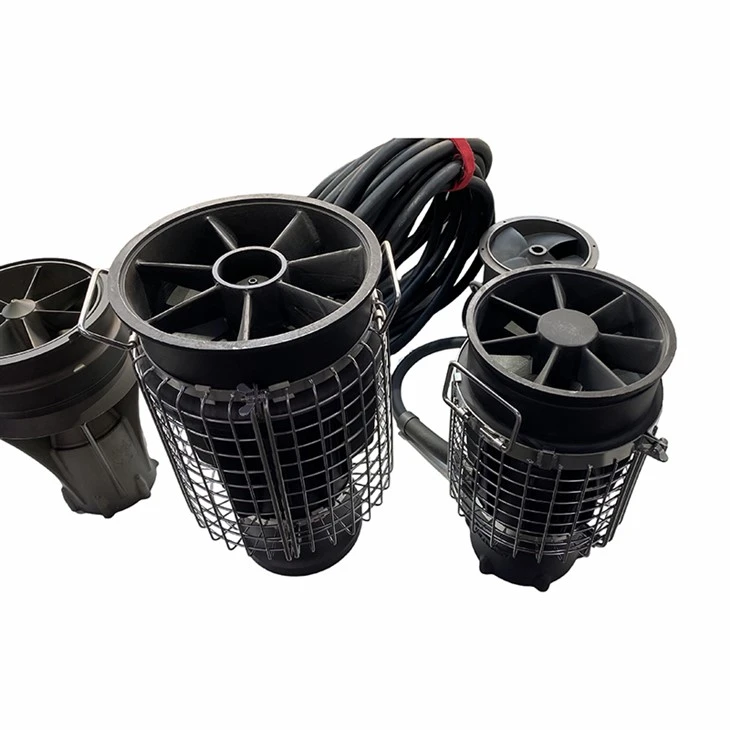
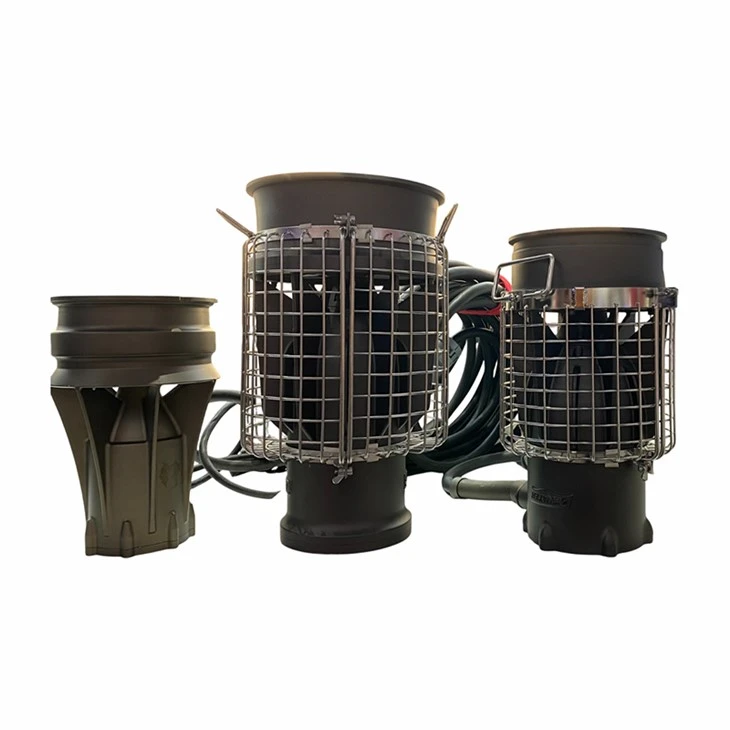
The efficiency of the pump itself also plays a big role in power consumption. A well - designed and maintained pump will use less power to achieve the same flow rate as a poorly designed or worn - out pump. Factors such as the impeller design, the pump casing, and the internal clearances all affect the pump's efficiency. For example, a pump with a more streamlined impeller design will be able to move fluid more easily, requiring less power to do so.
In addition to the pump design, the operating conditions also impact power consumption. If the pump has to work against a high head (the vertical distance the fluid has to be pumped), it will consume more power. Similarly, if the fluid being pumped is viscous or contains a lot of solids, the pump will have to work harder and use more power.
Let's take a look at some real - world examples. Suppose you're using a Traction Large Flow Pump for seawater backfilling drainage. You can check out our Seawater Backfilling Drainage Pump for more details. Seawater is relatively dense, so the pump will need to use more power to move it compared to fresh water. If you're using an electric pump, you might notice an increase in your electricity bill. On the other hand, if you're using a diesel - powered pump, you'll see a higher consumption of diesel fuel.
Another scenario is using a pump for mobile dewatering. Our Mobile Dewatering Pump is a great option for this. In a construction site where there's a lot of water accumulation, the pump will have to run continuously to keep the area dry. Depending on the size of the site and the rate of water inflow, the power consumption can vary significantly.
If you need a more heavy - duty solution, like a diesel drainage pump truck, you can check out our Diesel Drainage Pump Truck. These trucks are designed to handle large - scale drainage tasks, and their power consumption will be relatively high due to their large - capacity pumps and the power needed to drive the truck itself.
So, how can you reduce the power consumption of a Traction Large Flow Pump? One way is to choose the right pump for the job. Make sure you select a pump with the appropriate size and capacity for your specific needs. Don't go for an oversized pump, as it will consume more power than necessary.
Regular maintenance is also crucial. Keep the pump clean, lubricate the moving parts, and replace any worn - out components. A well - maintained pump will operate more efficiently, reducing power consumption.
In conclusion, the power consumption of a Traction Large Flow Pump depends on several factors, including the pump size, power source, pump efficiency, and operating conditions. As a supplier, we're here to help you make the right choice and ensure that you get the most out of your pump while keeping power consumption in check.
If you're interested in learning more about our Traction Large Flow Pumps or have any questions about power consumption, don't hesitate to reach out. We're always happy to have a chat and discuss your specific requirements. Whether you're a small - scale farmer or a large - scale mining company, we have the right pump for you. Let's start a conversation and see how we can work together to meet your pumping needs.
References
- Pump Handbook, Karassik et al.
- Fluid Mechanics textbooks for understanding fluid flow and pump performance.