


Hey there! As a supplier of Diesel Flood Control Pumps, I often get asked about the performance curve of these pumps. So, I thought I'd take a moment to break it down for you.
First off, let's understand what a performance curve is. Simply put, it's a graph that shows how a pump behaves under different operating conditions. It gives us a clear picture of how much water a pump can move (flow rate) at various levels of pressure (head).
Key Elements of a Diesel Flood Control Pump Performance Curve
Flow Rate
The flow rate is measured in units like gallons per minute (GPM) or cubic meters per hour (m³/h). It tells us how much water the pump can push through in a given amount of time. For a diesel flood - control pump, a high flow rate is crucial. During a flood, we need to get rid of as much water as possible in the shortest time. Our Diesel Flood Control Pump is designed to handle large volumes of water, making it ideal for flood - control situations.
Head
Head is the height that the pump can lift water. It's measured in feet or meters. In flood - control scenarios, we might need to pump water uphill or into a storage area at a higher elevation. The head of the pump determines its ability to do this. A pump with a high head can push water over greater vertical distances. Our diesel pumps are engineered to have a good balance between flow rate and head, so they can work effectively in different terrains.
Efficiency
Efficiency is another important aspect of the performance curve. It shows how well the pump converts the energy from the diesel engine into useful work of moving water. A more efficient pump will use less fuel to move the same amount of water. This is not only cost - effective but also more environmentally friendly. We've spent a lot of time optimizing the design of our pumps to improve their efficiency, so you get the most bang for your buck.
Reading the Performance Curve
When you look at a performance curve for a diesel flood - control pump, you'll see a line that represents the relationship between flow rate and head. As the flow rate increases, the head usually decreases. This is because the pump has to work harder to push more water, and there are more losses in the system.
Let's say you're in a situation where you need to pump a large amount of water quickly, but the elevation difference is not too great. You'd look for a point on the curve where the flow rate is high and the head is relatively low. On the other hand, if you need to pump water to a high elevation, you'd focus on a point with a lower flow rate but a higher head.
Factors Affecting the Performance Curve
Pump Design
The design of the pump impeller, casing, and other components plays a huge role in determining the performance curve. A well - designed impeller can increase the flow rate and head of the pump. Our engineers use advanced design techniques to create impellers that are highly efficient and can handle different types of water, including water with debris.
Diesel Engine Power
The power of the diesel engine is directly related to the performance of the pump. A more powerful engine can drive the pump to achieve higher flow rates and heads. We offer a range of diesel engines with different power ratings to suit different applications. Whether you need a small - scale pump for a local flood or a large - scale pump for a major flood - control project, we've got you covered.
System Resistance
The resistance in the piping system also affects the performance of the pump. Things like pipe diameter, length, and the number of bends can increase the resistance. If the system resistance is too high, the pump may not be able to achieve its maximum flow rate and head. That's why it's important to design the piping system carefully when installing a diesel flood - control pump.
Real - World Applications
Mobile Drainage Pump Trucks
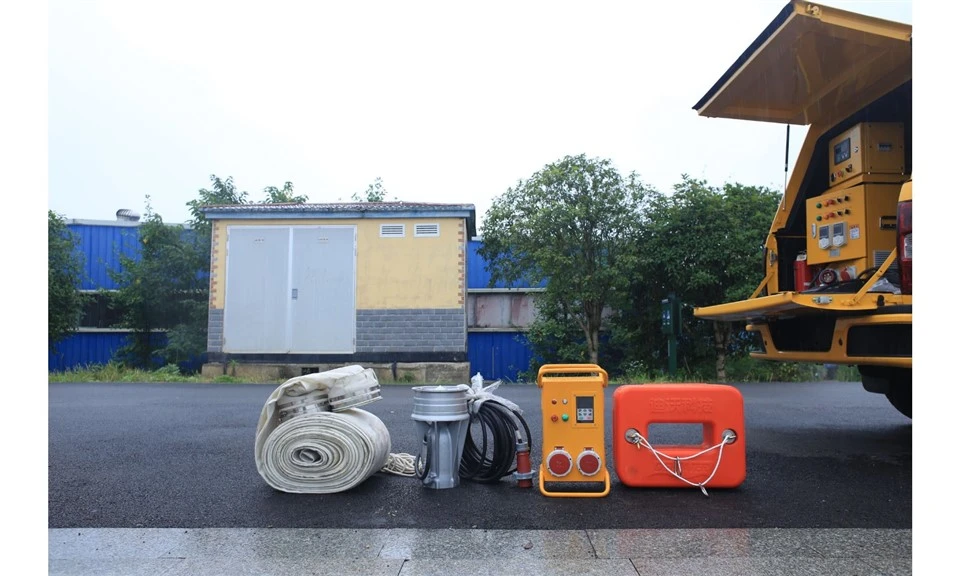
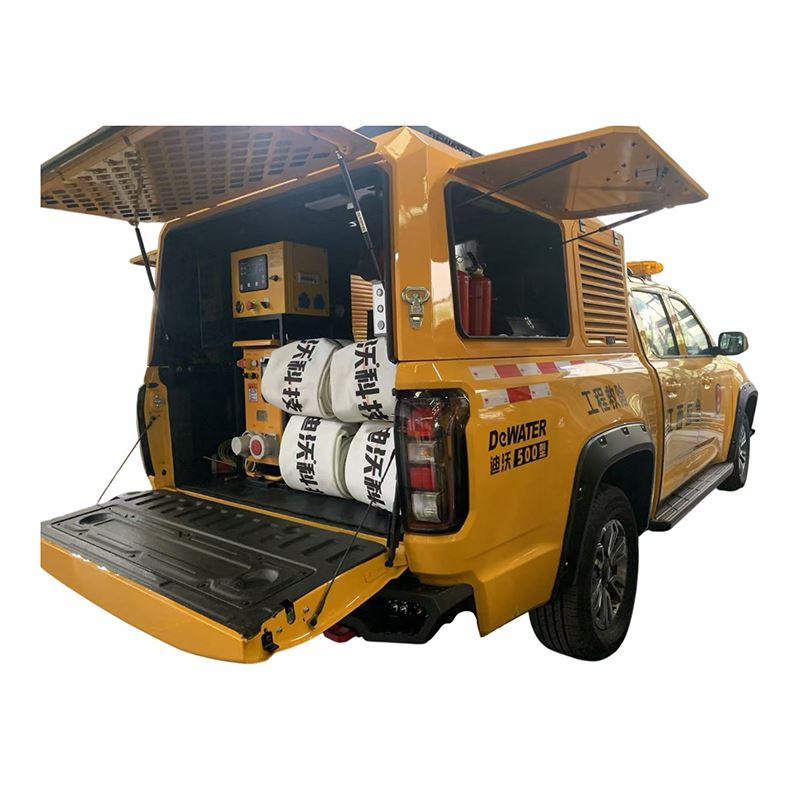
Our Mobile Drainage Pump Truck is a great example of how our diesel flood - control pumps are used in real - world applications. These trucks are equipped with powerful diesel pumps and can be quickly deployed to flood - affected areas. They can move large volumes of water from streets, basements, and other low - lying areas. The performance curve of the pumps on these trucks is optimized for quick and efficient water removal.
Rainstorm Emergency Drainage Equipment
In areas prone to heavy rainstorms, our Rainstorm Emergency Drainage Equipment comes in handy. This equipment is designed to handle sudden influxes of water during rainstorms. The pumps in this equipment are carefully selected based on their performance curves to ensure that they can handle the high flow rates and heads required in these situations.
Why Choose Our Diesel Flood Control Pumps
We've been in the business of supplying diesel flood - control pumps for a long time, and we've built a reputation for quality and reliability. Our pumps are tested rigorously to ensure that they meet the highest standards. We also offer excellent customer support, so if you have any questions about the performance curve or how to operate the pump, our team is always ready to help.
If you're in the market for a diesel flood - control pump, we'd love to have a chat with you. Whether you're a municipality, a construction company, or an individual looking to protect your property from floods, we can find the right pump for you. Just reach out to us, and we'll work with you to understand your needs and provide the best solution.
Conclusion
Understanding the performance curve of a diesel flood - control pump is essential for choosing the right pump for your needs. It helps you determine how much water the pump can move, how high it can lift the water, and how efficiently it can do the job. Our pumps are designed to offer the best performance in flood - control situations, and we're confident that we can provide you with a solution that meets your requirements.
So, if you're facing flood - control challenges, don't hesitate to get in touch with us. We're here to help you keep your property and community safe from the devastating effects of floods.
References
- Pump Handbook, Karassik et al.
- Diesel Engine Technology, Heywood