


What is the noise reduction measure for a rescue mobile drainage pump?
As a supplier of Rescue Mobile Drainage Pumps, I've witnessed firsthand the importance of noise reduction in these crucial pieces of equipment. Rescue operations often take place in sensitive environments, where excessive noise can not only cause discomfort to the operators but also potentially disrupt the surrounding community or interfere with other important activities. In this blog, I'll delve into the various noise reduction measures that can be implemented for rescue mobile drainage pumps.
Understanding the Sources of Noise in Rescue Mobile Drainage Pumps
Before we can discuss the noise reduction measures, it's essential to understand where the noise in rescue mobile drainage pumps comes from. The primary sources of noise in these pumps include:
- Engine Noise: The engine is the heart of the pump, and it generates a significant amount of noise during operation. The combustion process, the movement of engine components, and the exhaust system all contribute to the overall engine noise.
- Mechanical Noise: The mechanical components of the pump, such as the impeller, bearings, and gears, can also produce noise. This noise is often caused by vibrations and friction between the moving parts.
- Fluid Noise: As the fluid is pumped through the system, it can create noise due to turbulence, cavitation, and pressure fluctuations.
Noise Reduction Measures
Now that we understand the sources of noise, let's explore the various noise reduction measures that can be implemented for rescue mobile drainage pumps.
1. Engine Enclosure
One of the most effective ways to reduce engine noise is to enclose the engine in a soundproof housing. The enclosure is typically made of materials with high sound absorption properties, such as fiberglass or acoustic foam. The enclosure helps to contain the engine noise and prevent it from spreading to the surrounding environment.
When designing the engine enclosure, it's important to ensure proper ventilation to prevent overheating of the engine. The enclosure should also be designed to allow easy access for maintenance and repair.
2. Exhaust Silencer
The exhaust system is another major source of engine noise. An exhaust silencer, also known as a muffler, can be installed to reduce the noise generated by the exhaust gases. The silencer works by using a series of chambers and baffles to absorb and dissipate the sound energy.
There are different types of exhaust silencers available, including straight-through silencers, chambered silencers, and combination silencers. The choice of silencer depends on the specific requirements of the pump and the level of noise reduction needed.

3. Vibration Isolation
Mechanical noise can be reduced by isolating the pump and its components from the surrounding structure. Vibration isolators, such as rubber mounts or springs, can be used to absorb and dampen the vibrations generated by the pump. This helps to prevent the vibrations from being transmitted to the structure and causing noise.
In addition to using vibration isolators, it's also important to ensure that the pump is properly installed and aligned. A misaligned pump can cause excessive vibrations and noise.
4. Fluid System Design
The design of the fluid system can also have a significant impact on the noise level of the pump. To reduce fluid noise, the following design considerations can be taken:
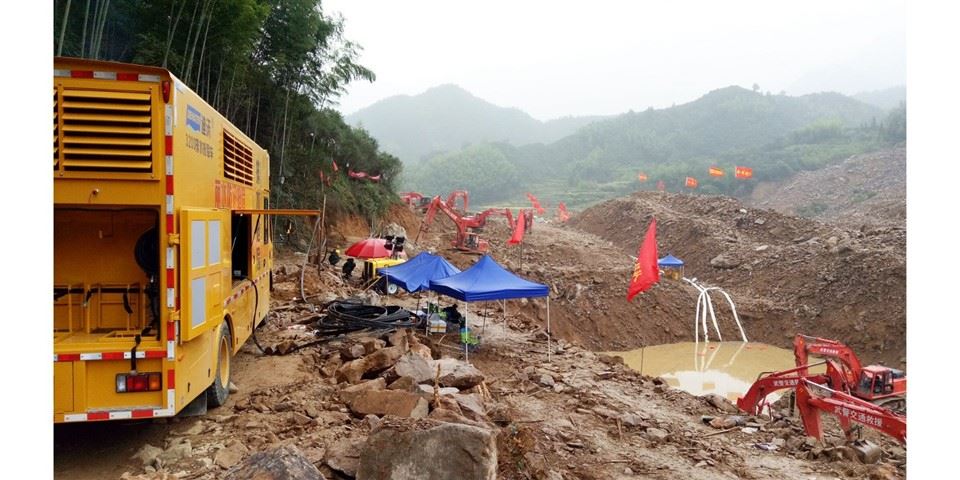
- Smooth Piping: Use smooth and straight pipes to minimize turbulence and pressure fluctuations. Avoid sharp bends and elbows in the piping system.
- Proper Sizing: Ensure that the pipes are properly sized to match the flow rate and pressure requirements of the pump. Undersized pipes can cause high velocities and increased noise.
- Cavitation Prevention: Cavitation, which occurs when the pressure in the fluid drops below the vapor pressure, can cause significant noise and damage to the pump. To prevent cavitation, the suction conditions of the pump should be carefully considered, and the pump should be operated within its recommended range.
5. Acoustic Treatment
Acoustic treatment can be applied to the interior of the pump housing and other components to further reduce noise. This can include the use of acoustic panels, soundproofing materials, and insulation. The acoustic treatment helps to absorb and reflect the sound waves, reducing the overall noise level.
The Benefits of Noise Reduction
Implementing noise reduction measures for rescue mobile drainage pumps offers several benefits:

- Improved Operator Comfort: Reducing the noise level makes the working environment more comfortable for the operators, which can improve their productivity and reduce the risk of hearing damage.
- Minimized Community Disturbance: In rescue operations, it's important to minimize the impact on the surrounding community. By reducing the noise level, the pump can operate without causing excessive disruption to the residents.
- Compliance with Regulations: Many countries and regions have regulations regarding noise emissions from industrial equipment. By implementing noise reduction measures, the pump can comply with these regulations and avoid potential fines.
Conclusion
Noise reduction is an important consideration for rescue mobile drainage pumps. By understanding the sources of noise and implementing the appropriate noise reduction measures, such as engine enclosures, exhaust silencers, vibration isolation, fluid system design, and acoustic treatment, the noise level of the pump can be significantly reduced. This not only improves the operator comfort and minimizes community disturbance but also ensures compliance with regulations.
If you're in the market for a Rescue Mobile Drainage Pump or need more information about noise reduction measures, feel free to contact us for a detailed discussion. We also offer a range of related products, such as Large Flow Mobile Pump Station, Mobile Fire Water Pump Trailer, and Disaster Water Drainage Equipment. Our team of experts is ready to assist you in finding the right solution for your specific needs.
References
- Machinery's Handbook, Industrial Press Inc.
- Pump Handbook, McGraw-Hill Education