


What is the minimum flow rate requirement for a Traction Large Flow Pump?
As a supplier of Traction Large Flow Pumps, I often encounter inquiries from customers about the minimum flow rate requirements for these pumps. Understanding the minimum flow rate is crucial as it directly impacts the pump's performance, efficiency, and suitability for specific applications. In this blog, I will delve into the factors that influence the minimum flow rate requirement for a Traction Large Flow Pump and provide some insights to help you make informed decisions.
Factors Affecting the Minimum Flow Rate Requirement
-
Pump Design and Construction
The design and construction of a Traction Large Flow Pump play a significant role in determining its minimum flow rate. Pumps with larger impellers and volutes are generally capable of handling higher flow rates. However, they may also have a higher minimum flow rate requirement to maintain proper operation. The internal components of the pump, such as the bearings and seals, are designed to operate within a certain range of flow rates. If the flow rate falls below the minimum requirement, it can lead to issues such as cavitation, excessive vibration, and premature wear of the components. -
Application Requirements
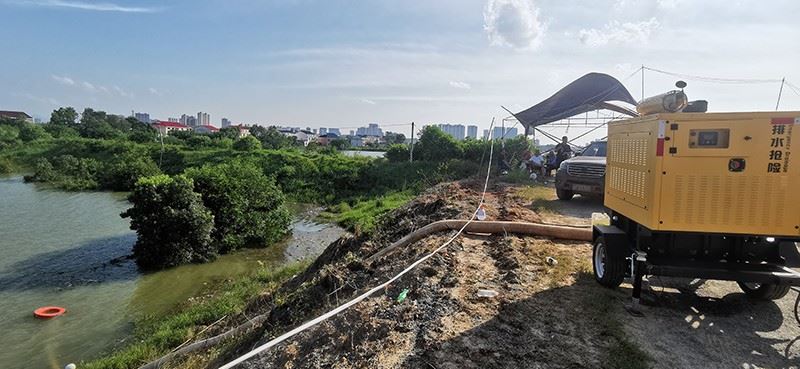
The specific application for which the pump is being used also affects the minimum flow rate requirement. For example, in a drainage application, the pump needs to be able to handle a certain volume of water within a given time frame. If the flow rate is too low, the water may not be drained effectively, leading to flooding or other problems. In a process industry application, the pump may need to maintain a constant flow rate to ensure the proper operation of the process. The minimum flow rate requirement will depend on the specific process requirements, such as the flow rate needed for mixing, heating, or cooling.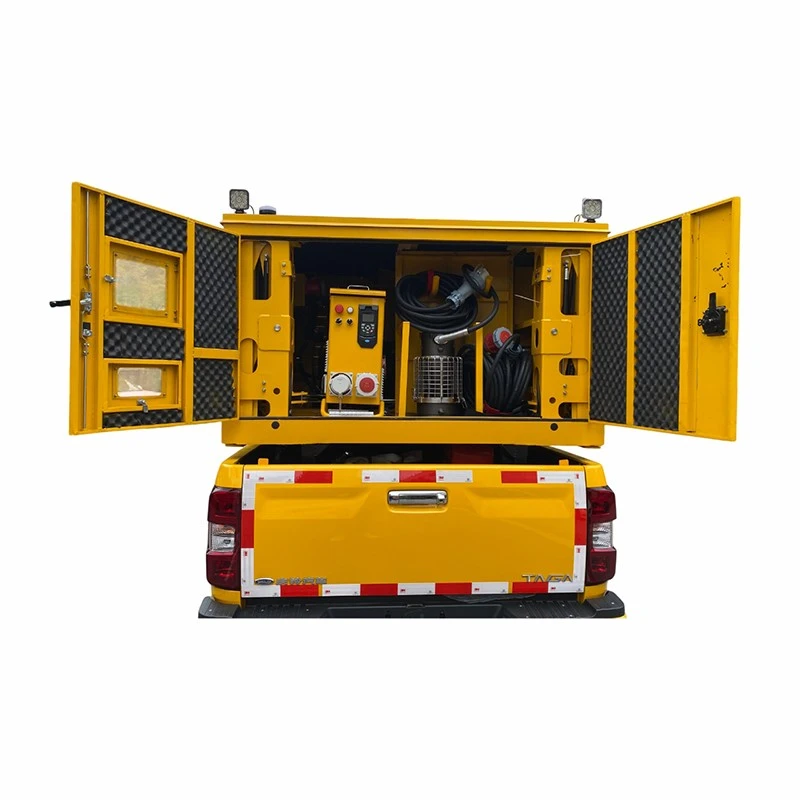
-
System Characteristics
The characteristics of the system in which the pump is installed can also impact the minimum flow rate requirement. Factors such as the pipe diameter, length, and friction losses can affect the flow rate through the pump. If the system has a high resistance, the pump may need to operate at a higher flow rate to overcome the resistance and maintain the desired pressure. Additionally, the elevation difference between the suction and discharge points can also affect the pump's performance and minimum flow rate requirement.
Determining the Minimum Flow Rate Requirement
To determine the minimum flow rate requirement for a Traction Large Flow Pump, several steps can be taken:
-
Understand the Application
The first step is to understand the specific application for which the pump will be used. This includes identifying the type of fluid being pumped, the required flow rate, the pressure requirements, and any other specific requirements of the application. By understanding the application, you can select a pump that is suitable for the task and determine the minimum flow rate requirement. -
Consult the Pump Manufacturer
The pump manufacturer is a valuable source of information when it comes to determining the minimum flow rate requirement. They can provide detailed specifications and performance curves for their pumps, which can help you select the right pump for your application. The manufacturer can also provide guidance on the minimum flow rate requirement based on the specific pump model and the application requirements. -
Conduct a System Analysis
A system analysis can help you understand the characteristics of the system in which the pump will be installed. This includes analyzing the pipe diameter, length, and friction losses, as well as the elevation difference between the suction and discharge points. By conducting a system analysis, you can determine the flow rate and pressure requirements of the system and select a pump that is capable of meeting these requirements. -
Consider Safety Margins
When determining the minimum flow rate requirement, it is important to consider safety margins. This is especially important in applications where the flow rate may vary or where there is a risk of the pump operating at low flow rates. By adding a safety margin to the minimum flow rate requirement, you can ensure that the pump operates within a safe and reliable range.
Importance of Meeting the Minimum Flow Rate Requirement
Meeting the minimum flow rate requirement is essential for the proper operation and longevity of a Traction Large Flow Pump. If the flow rate falls below the minimum requirement, it can lead to several issues, including:
-
Cavitation
Cavitation occurs when the pressure in the pump drops below the vapor pressure of the fluid, causing the formation of vapor bubbles. These bubbles can collapse when they reach a higher pressure region, causing damage to the pump components and reducing the pump's efficiency. Cavitation can also lead to noise, vibration, and premature wear of the pump. -
Excessive Vibration
Low flow rates can cause the pump to operate in an unstable manner, leading to excessive vibration. This can damage the pump components and reduce the pump's reliability. Excessive vibration can also cause noise and discomfort for the operators. -
Premature Wear
Operating the pump at low flow rates can cause premature wear of the pump components, such as the impeller, bearings, and seals. This can lead to increased maintenance costs and downtime. -
Reduced Efficiency
When the pump operates at low flow rates, its efficiency decreases. This means that more energy is required to pump the same amount of fluid, resulting in higher operating costs.
Applications of Traction Large Flow Pumps
Traction Large Flow Pumps are used in a wide range of applications, including:
-
Drainage
Traction Large Flow Pumps are commonly used for drainage applications, such as in Trailer Mounted Drainage Pump and Underground Garage Drainage Pump. These pumps are capable of handling large volumes of water and can be used to drain floodwater, rainwater, or wastewater from various locations. -
Irrigation
In the agricultural industry, Traction Large Flow Pumps are used for irrigation purposes. These pumps can be used to pump water from a water source, such as a river or a well, and distribute it to the fields. The high flow rate of these pumps allows for efficient irrigation of large areas. -
Industrial Processes
Traction Large Flow Pumps are also used in various industrial processes, such as in chemical plants, power plants, and mining operations. These pumps are used to transfer fluids, such as water, chemicals, and slurries, from one location to another. The high flow rate and pressure capabilities of these pumps make them suitable for handling large volumes of fluids in industrial applications. -
Emergency Response
In emergency situations, such as floods or oil spills, Traction Large Flow Pumps can be used to quickly remove large volumes of water or other fluids. These pumps can be easily transported to the affected area and set up for immediate use.
Conclusion
In conclusion, the minimum flow rate requirement for a Traction Large Flow Pump is influenced by several factors, including the pump design, application requirements, and system characteristics. Determining the minimum flow rate requirement is essential for selecting the right pump for your application and ensuring its proper operation and longevity. By understanding the factors that affect the minimum flow rate requirement and following the steps outlined in this blog, you can make informed decisions when selecting a Traction Large Flow Pump.
If you are in need of a Traction Large Flow Pump for your application, I encourage you to contact us for more information. Our team of experts can help you select the right pump for your needs and provide you with the support and guidance you need to ensure its proper operation. We look forward to working with you to meet your pumping requirements.
References
- Pump Handbook, by Karassik et al.
- Hydraulic Institute Standards
- Manufacturer's specifications and performance curves for Traction Large Flow Pumps