


The mechanical efficiency of a Traction Large Flow Pump is a crucial parameter that reflects its performance and energy - utilization effectiveness. As a supplier of Traction Large Flow Pumps, understanding and communicating this concept is essential for both our technical teams and potential customers.
Understanding Mechanical Efficiency
Mechanical efficiency, in the context of a pump, is defined as the ratio of the useful power output of the pump to the power input supplied to the pump. Mathematically, it can be expressed as:
[ \eta_{m}=\frac{P_{out}}{P_{in}}\times100% ]
where (\eta_{m}) is the mechanical efficiency, (P_{out}) is the useful power output, and (P_{in}) is the power input.
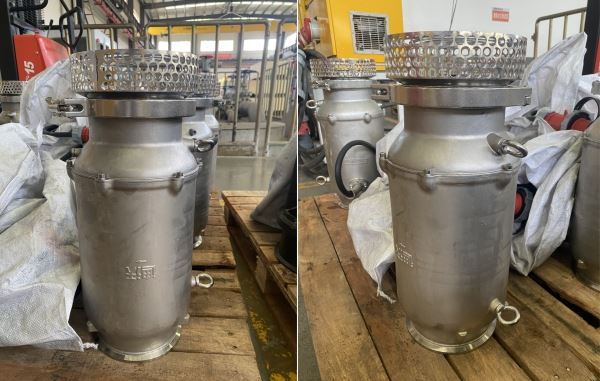
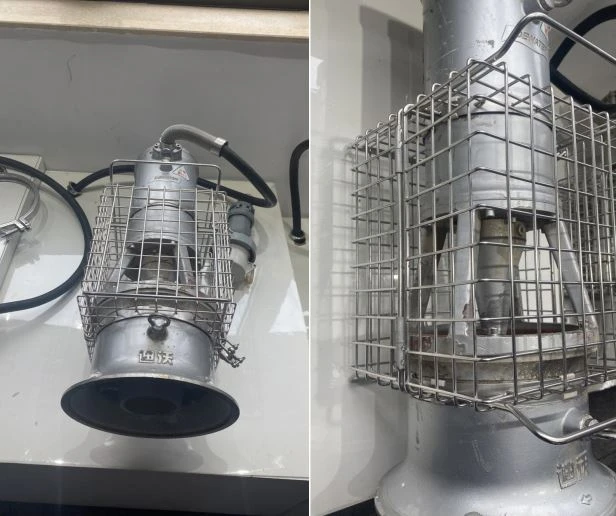
The useful power output of a Traction Large Flow Pump is the power that is actually used to move the fluid. This power is responsible for overcoming the resistance of the fluid flow, such as friction losses in the pipes, and for lifting the fluid to a certain height. The power input, on the other hand, is the power supplied to the pump, usually from an engine or an electric motor.
Factors Affecting the Mechanical Efficiency of Traction Large Flow Pumps
1. Design and Manufacturing Quality
The design of the pump impeller, casing, and other components plays a significant role in determining its mechanical efficiency. A well - designed impeller can effectively transfer energy from the driving source to the fluid, minimizing energy losses. For example, an impeller with an optimal blade shape can reduce turbulence and eddy currents, which are major sources of energy loss.
Manufacturing quality also affects efficiency. Precise machining and assembly ensure that the pump components fit together properly, reducing mechanical losses due to misalignment or excessive clearances. High - quality materials can also enhance the durability of the pump, preventing wear and tear that can degrade efficiency over time.
2. Operating Conditions
The operating conditions of the pump, such as the flow rate, head, and fluid properties, have a direct impact on its mechanical efficiency. Each pump has an optimal operating point, also known as the best efficiency point (BEP). Operating the pump at or near this point can achieve the highest mechanical efficiency.
If the flow rate is too high or too low compared to the BEP, the pump may experience cavitation, which is the formation and collapse of vapor bubbles in the fluid. Cavitation can cause damage to the impeller and other components, leading to a significant decrease in efficiency.
The viscosity of the fluid being pumped also affects efficiency. High - viscosity fluids require more energy to move, and the pump may need to work harder to maintain the same flow rate. As a result, the mechanical efficiency of the pump may be lower when pumping high - viscosity fluids.
3. Maintenance and Wear
Regular maintenance is essential for maintaining the mechanical efficiency of Traction Large Flow Pumps. Over time, the pump components can wear out, leading to increased clearances and reduced efficiency. For example, the wear of the impeller blades can change the flow pattern within the pump, causing energy losses.
Lack of proper lubrication can also increase friction between moving parts, reducing the overall efficiency of the pump. By performing regular inspections, lubrication, and component replacement as needed, we can ensure that the pump operates at its highest efficiency.
Measuring and Improving the Mechanical Efficiency of Traction Large Flow Pumps
Measuring Efficiency
To measure the mechanical efficiency of a Traction Large Flow Pump, we need to measure both the power input and the power output. The power input can be measured using a power meter connected to the driving source, such as an electric motor or an engine.
The power output can be calculated based on the flow rate and head of the pump. The flow rate can be measured using a flow meter, and the head can be measured using pressure gauges at the inlet and outlet of the pump. By substituting these values into the efficiency formula, we can calculate the mechanical efficiency of the pump.
Improving Efficiency
There are several ways to improve the mechanical efficiency of Traction Large Flow Pumps. One approach is to optimize the pump design. By using advanced computational fluid dynamics (CFD) simulations, we can analyze the flow pattern within the pump and make design improvements to reduce energy losses.
Another way is to select the appropriate pump for the specific application. By choosing a pump with the right capacity and performance characteristics, we can ensure that the pump operates at or near its BEP, maximizing efficiency.
Regular maintenance is also crucial for improving efficiency. By keeping the pump in good condition, we can prevent wear and tear and ensure that it operates at its highest efficiency.
Applications and the Importance of Efficiency in Traction Large Flow Pumps
Applications
Traction Large Flow Pumps have a wide range of applications, including Municipal Emergency Rescue Pump, Rescue Mobile Drainage Pump, and Flood Prevention and Drainage Mobile Pump. In municipal emergency rescue scenarios, these pumps are used to quickly remove water from flooded areas, such as basements, streets, and tunnels.
In flood prevention and drainage applications, Traction Large Flow Pumps can be used to divert water from low - lying areas to prevent flooding. Their large flow rate and high - power capabilities make them suitable for handling large volumes of water in a short period.
Importance of Efficiency
In these applications, the mechanical efficiency of the pump is of utmost importance. High - efficiency pumps can save energy and reduce operating costs. For example, in a large - scale flood prevention project, a pump with higher efficiency can consume less fuel or electricity, resulting in significant cost savings over time.
Moreover, high - efficiency pumps can operate more reliably. Since they are subjected to less stress and wear, they are less likely to break down, ensuring continuous operation during critical emergency situations.
Conclusion
The mechanical efficiency of a Traction Large Flow Pump is a complex but crucial concept. It is affected by various factors, including design, operating conditions, and maintenance. By understanding these factors and taking appropriate measures to measure and improve efficiency, we can provide high - quality pumps that meet the needs of our customers.
As a supplier of Traction Large Flow Pumps, we are committed to providing pumps with high mechanical efficiency. Our team of experts is constantly working on improving the design and manufacturing processes to ensure that our pumps operate at the highest possible efficiency.
If you are interested in our Traction Large Flow Pumps or have any questions about their mechanical efficiency, please contact us for more information and to discuss potential procurement opportunities. We look forward to working with you to meet your pumping needs.
References
- Pump Handbook, Karassik et al.
- Fluid Mechanics and Machinery, R. K. Bansal.
- Principles of Pumping Machinery, Cameron Hydraulic Data.