


What is the maximum pressure a Diesel Flood Control Pump can generate?
As a supplier of Diesel Flood Control Pumps, I often get asked about the maximum pressure these pumps can generate. Understanding this aspect is crucial for various applications, especially in flood control scenarios where the ability to move large volumes of water against resistance is essential.
Understanding Pump Pressure
Pressure in a pump is defined as the force per unit area that the pump can exert on the fluid it is moving. In the context of a Diesel Flood Control Pump, this pressure is typically measured in pounds per square inch (psi) or in meters of head. Head refers to the vertical height that the pump can lift water, which is directly related to the pressure.
The maximum pressure a Diesel Flood Control Pump can generate depends on several factors, including the pump's design, the size of its impeller, the power of the diesel engine, and the efficiency of the pump's internal components.
Factors Affecting Maximum Pressure
- Pump Design
- The design of the pump plays a significant role in determining its maximum pressure. Centrifugal pumps, which are commonly used in flood control applications, work by using an impeller to impart kinetic energy to the water. The shape and size of the impeller can affect how much energy is transferred to the water and, consequently, the pressure that can be generated. For example, a pump with a larger impeller diameter can generally generate higher pressures because it can move more water with each rotation.
- Diesel Engine Power
- The power of the diesel engine is another crucial factor. A more powerful engine can drive the pump at a higher speed, which in turn increases the pressure. Diesel engines used in flood control pumps are typically designed to provide a high - torque output, allowing the pump to operate efficiently even under high - pressure conditions.
- Internal Components
- The efficiency of the pump's internal components, such as the volute casing and the seals, also affects the maximum pressure. A well - designed volute casing can help to convert the kinetic energy of the water into pressure energy more effectively. High - quality seals are essential to prevent leakage, which can reduce the pump's pressure - generating capacity.
Typical Maximum Pressures
In general, Diesel Flood Control Pumps can generate pressures ranging from around 30 psi (2.07 bar) to over 100 psi (6.89 bar). Smaller, portable pumps may have a maximum pressure in the lower end of this range, while larger, industrial - grade pumps can reach the higher end.
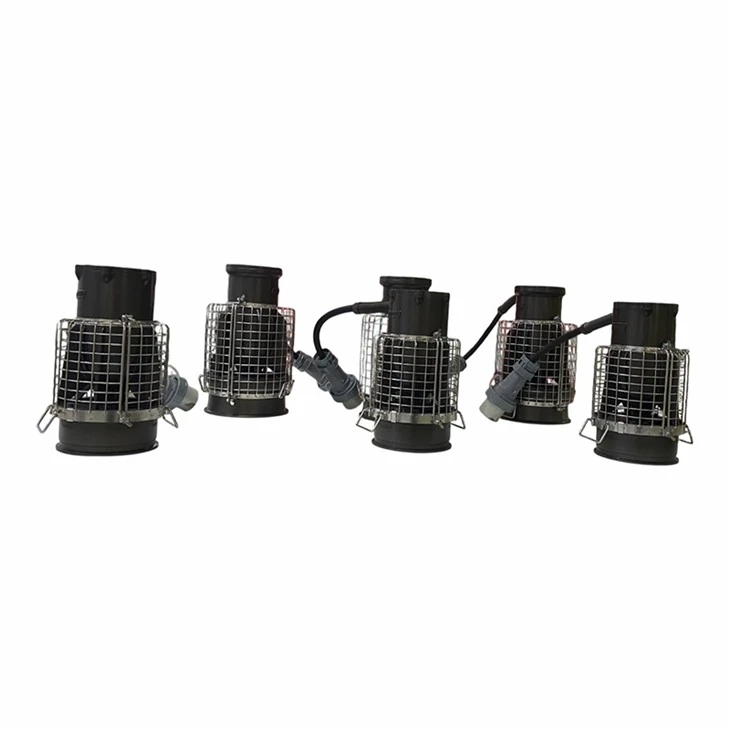
For example, some of our Mobile Drainage Pump models are designed for relatively low - pressure applications, such as draining small - scale floodwaters or water from construction sites. These pumps can typically generate pressures of around 30 - 50 psi.
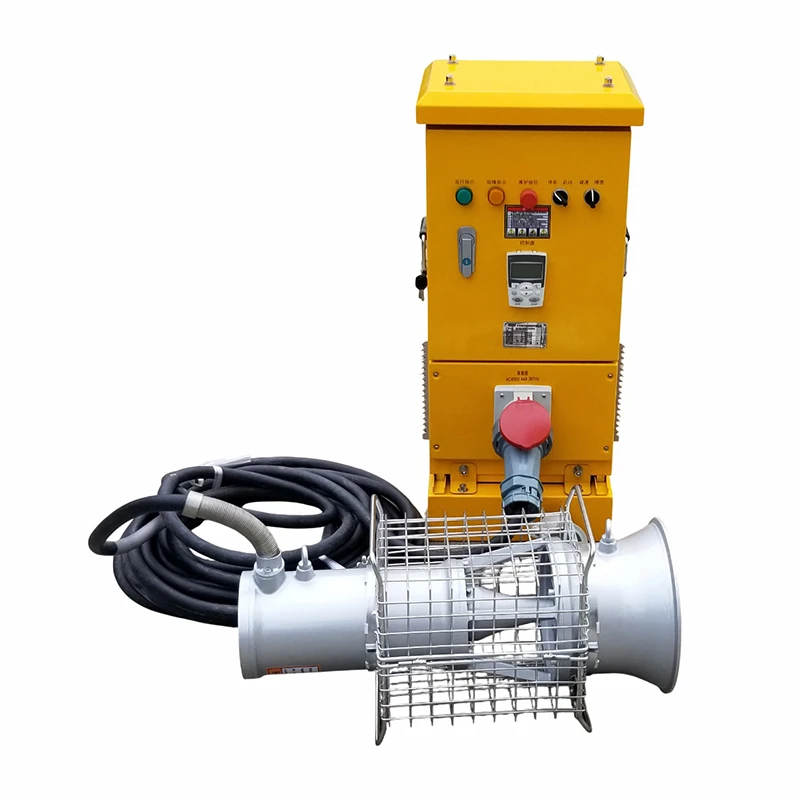
On the other hand, our Urban Waterlogging Drainage Pump and Floodwater Drainage Mobile Pump models are engineered for more demanding applications, such as urban flood control. These pumps can generate pressures of up to 100 psi or more, allowing them to lift water from deep basements or pump water over long distances.
Importance of Pressure in Flood Control
In flood control, the ability to generate high pressure is essential for several reasons. Firstly, it allows the pump to move water against gravity and through pipes and channels. For example, in urban areas, floodwaters may need to be pumped up and over embankments or into higher - elevation drainage systems. A pump with a high - pressure capacity can overcome these obstacles more effectively.
Secondly, high - pressure pumps can be used to clear blockages in drainage systems. If a drain is clogged with debris, a high - pressure jet of water can be used to dislodge the blockage and restore the flow of water.
Selecting the Right Pump Based on Pressure Requirements
When selecting a Diesel Flood Control Pump, it is important to consider the specific pressure requirements of the application. Factors such as the vertical height the water needs to be lifted, the length and diameter of the pipes, and the presence of any restrictions in the drainage system all need to be taken into account.
If you are dealing with a relatively small - scale flood or need to drain water from a shallow area, a pump with a lower maximum pressure may be sufficient. However, for larger - scale flood control operations or situations where water needs to be pumped over long distances or to a high elevation, a pump with a higher pressure capacity is required.
Conclusion
The maximum pressure a Diesel Flood Control Pump can generate is influenced by multiple factors, including pump design, engine power, and internal component efficiency. Understanding these factors and the pressure requirements of your specific application is crucial for selecting the right pump.
As a supplier of Diesel Flood Control Pumps, we have a wide range of pumps available to meet different pressure requirements. Whether you need a Mobile Drainage Pump for small - scale operations or an Urban Waterlogging Drainage Pump for large - scale urban flood control, we can provide you with the right solution.
If you are interested in purchasing a Diesel Flood Control Pump or have any questions about our products, please feel free to contact us for more information and to discuss your specific needs. We look forward to helping you find the best pump for your flood control requirements.
References
- Pump Handbook, 4th Edition, Karassik et al.
- Principles of Centrifugal Pumps, by Michael J. Stepanoff.