


Hey there! I'm a supplier of Mobile Drainage Pump Trailers, and today I wanna chat about something super important: the maximum flow rate variation these bad boys can handle.
First off, let's understand what flow rate variation means. Flow rate is basically how much water a pump can move in a given amount of time, usually measured in liters per minute or gallons per hour. And flow rate variation refers to how much that rate can change depending on different situations.
So, what factors affect the maximum flow rate variation of a Mobile Drainage Pump Trailer? Well, there are quite a few. One of the big ones is the pump's design and specifications. Different pumps are built to handle different flow rates. For example, some pumps are designed for high - volume, low - pressure applications, while others are better suited for low - volume, high - pressure tasks.
The type of impeller in the pump also plays a huge role. An impeller is like the heart of the pump, and its shape, size, and number of blades can all impact the flow rate. A larger impeller with more blades might be able to move more water, but it could also require more power to operate.
Another factor is the suction and discharge hoses. If the hoses are too small, they can restrict the flow of water, reducing the overall flow rate. On the other hand, if the hoses are too large, they might not create enough pressure to move the water efficiently. So, getting the right hose size is crucial for maximizing the flow rate variation.
The condition of the water being pumped is also important. If the water contains a lot of debris, like mud, sand, or leaves, it can clog the pump and reduce the flow rate. That's why many Mobile Drainage Pump Trailers come with filters or strainers to prevent this from happening.
Now, let's talk about the maximum flow rate variation that our Mobile Drainage Pump Trailers can handle. Our pumps are designed to be highly versatile, able to adapt to a wide range of flow rate requirements. In general, they can handle flow rate variations from as low as a few hundred liters per minute to several thousand liters per minute.
For small - scale applications, like draining a flooded basement or a small pond, our pumps can operate at a relatively low flow rate, around 200 - 500 liters per minute. This allows for precise control and efficient water removal without wasting too much energy.
On the other hand, for large - scale flood control or industrial drainage projects, our pumps can ramp up to much higher flow rates. We've had pumps that can handle flow rates of up to 5000 liters per minute or more. That's a whole lot of water being moved in a short amount of time!
One of the great things about our Mobile Drainage Pump Trailers is their ability to adjust the flow rate on the fly. This means that you can change the flow rate depending on the specific needs of the job. For example, if you start with a large - scale flood and the water level starts to go down, you can reduce the flow rate to save energy and prevent over - pumping.
Our pumps also come with advanced control systems that make it easy to monitor and adjust the flow rate. You can use a simple control panel or even a mobile app to keep an eye on the pump's performance and make any necessary changes.
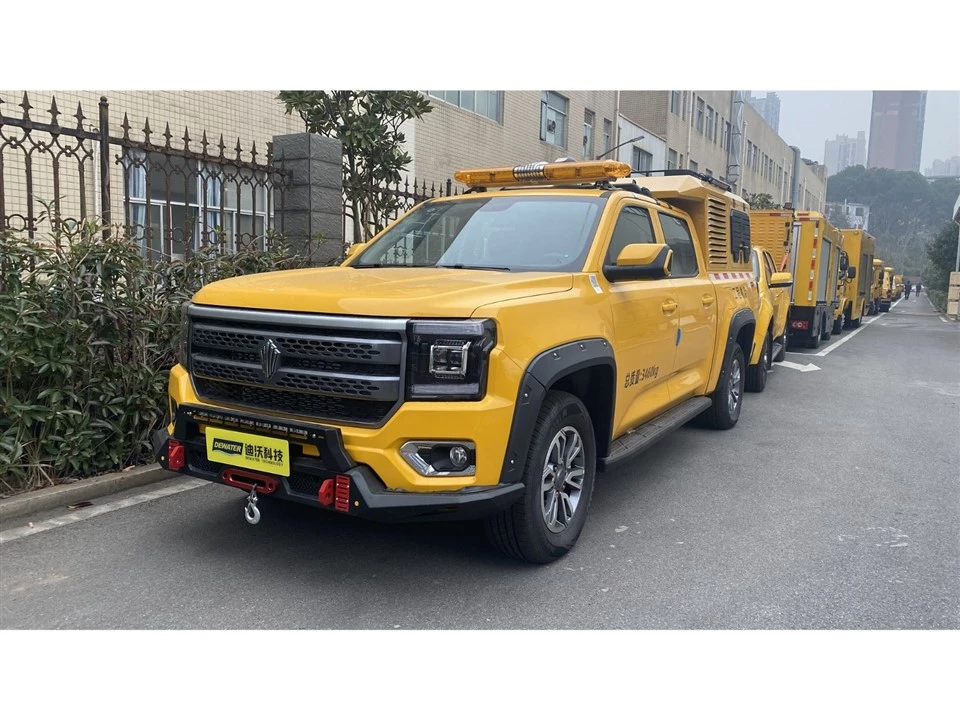
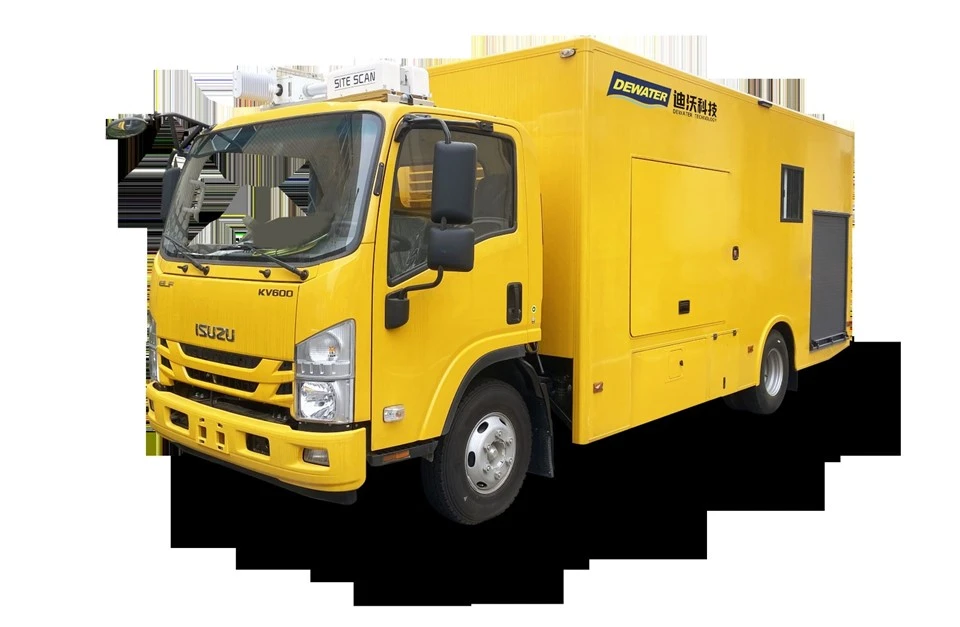
Now, I wanna mention some of our other related products. If you're interested in more specialized vehicles for flood control or drought relief, we have some great options. Check out our Flood Control Pump Truck, which is designed specifically for large - scale flood situations. It's equipped with powerful pumps and can cover a wide area quickly.
We also have the Flooding Control Pickup, which is more compact and maneuverable, perfect for getting into tight spaces during a flood. And for drought relief, our Drought Relief Drainage Pump Truck can help move water from one area to another to support agriculture or other water - dependent industries.
If you're in the market for a Mobile Drainage Pump Trailer or any of our other related products, we'd love to hear from you. Whether you're a contractor, a government agency, or just someone dealing with a flood or drainage issue at home, we have the right solution for you. Just reach out to us, and we can have a chat about your specific needs and how our products can help.
In conclusion, the maximum flow rate variation that a Mobile Drainage Pump Trailer can handle depends on many factors, but our pumps are designed to be as flexible and efficient as possible. With the ability to handle a wide range of flow rates and adjust on the fly, they're a great choice for any drainage or flood control project. So, don't hesitate to get in touch if you think our products could be a good fit for you.
References
- Pump Basics: Understanding Flow Rate and Pressure - General Pump Knowledge Resources
- Handbook of Pump Engineering - Various Industry Publications