



Hey there! As a supplier of Flooding Control Pickup, I'm super stoked to walk you through the installation process of this amazing piece of equipment. Whether you're dealing with urban floods, industrial waterlogging, or just need a solid solution for water management, the Flooding Control Pickup can be a real game - changer.
Understanding the Flooding Control Pickup
Before we dive into the installation, let's quickly go over what the Flooding Control Pickup is. It's a high - performance device designed to efficiently remove excess water from flooded areas. It combines portability with powerful pumping capacity, making it ideal for a wide range of applications. We also offer related products like the Large Mobile Drainage Pump Station, Flood Control Pump Truck, and Dewatering Pump Trailer, which can complement the Flooding Control Pickup depending on your specific needs.
Pre - installation Preparations
The first step in any installation process is getting everything ready. You don't want to be scrambling around looking for tools or parts halfway through.
Site Assessment
First off, you need to assess the installation site. Check the ground conditions. It should be level and stable enough to support the weight of the Flooding Control Pickup. Uneven ground can cause the unit to tilt, which might lead to operational issues or even damage. Also, make sure there's enough space around the unit for easy access during operation and maintenance. You should have at least a few feet of clearance on all sides.
Power Source
Next, figure out your power source. The Flooding Control Pickup can be powered by different means, such as electricity, diesel, or gasoline. If you're going for an electric option, ensure that the power supply matches the unit's electrical requirements. Check the voltage, amperage, and frequency. For diesel or gasoline - powered models, make sure you have enough fuel on - hand and a safe place to store it.
Tools and Equipment
Gather all the necessary tools and equipment. You'll typically need wrenches, screwdrivers, pliers, and a level. Depending on the specific model and installation requirements, you might also need a crane or forklift to move the unit into place. It's a good idea to double - check the installation manual to make sure you have everything you need.
Installation Steps
Unloading and Positioning
Once you've got all your preparations in order, it's time to unload the Flooding Control Pickup from the transport vehicle. Use a crane or forklift to carefully lower the unit onto the prepared site. Make sure it's centered and aligned properly. Use a level to ensure that it's perfectly horizontal. This will not only help with the unit's performance but also prevent premature wear and tear on the components.
Connecting the Inlet and Outlet Pipes
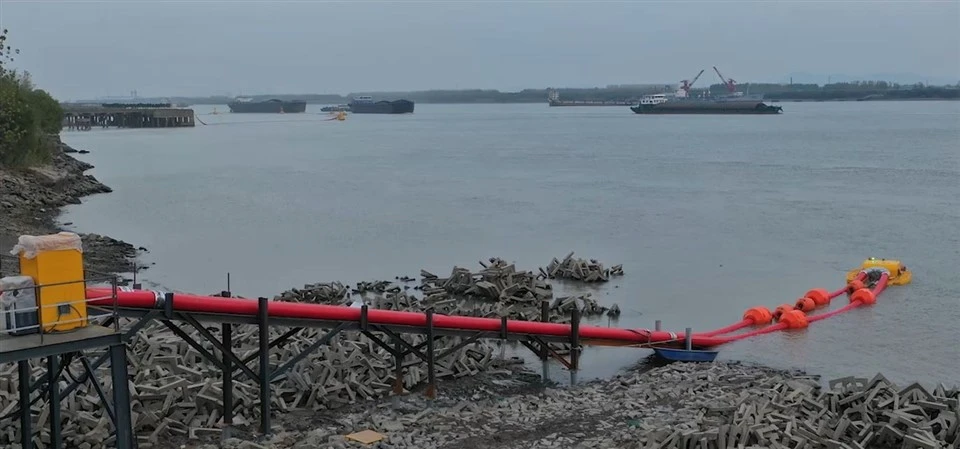
The next step is to connect the inlet and outlet pipes. The inlet pipe is where the water will be drawn from the flooded area, and the outlet pipe is where the water will be discharged. Start by attaching the inlet pipe to the suction port of the Flooding Control Pickup. Make sure the connection is tight and secure to prevent any leaks. You might need to use gaskets or seals to ensure a proper fit.
Then, connect the outlet pipe to the discharge port. The outlet pipe should be directed towards a safe and appropriate discharge location, such as a storm drain, river, or retention pond. Again, ensure that the connection is leak - free. If you're using long pipes, you may need to support them with brackets or stands to prevent sagging.
Electrical or Fuel Connections
If your Flooding Control Pickup is electrically powered, connect the power cord to the appropriate electrical outlet. Make sure to follow all electrical safety procedures, such as using a grounded outlet and checking for any exposed wires. For diesel or gasoline - powered models, connect the fuel lines and fill the fuel tank. Check for any fuel leaks before starting the engine.
Control Panel Setup
Most Flooding Control Pickups come with a control panel that allows you to operate and monitor the unit. Familiarize yourself with the control panel layout and functions. You'll typically find switches for starting and stopping the unit, as well as indicators for things like power status, water level, and pump performance. Set up the control panel settings according to the manufacturer's instructions.
Post - installation Checks
After you've completed the installation, it's crucial to perform a series of checks to ensure that everything is working properly.
Visual Inspection
Do a thorough visual inspection of the entire installation. Check for any loose connections, leaks, or damaged components. Look at the pipes, fittings, and electrical connections. Tighten any loose bolts or screws and replace any damaged parts if necessary.
Test Run
Once you're satisfied with the visual inspection, it's time for a test run. Start the Flooding Control Pickup and let it run for a few minutes. Observe the unit's operation. Check the water flow at the inlet and outlet pipes. Make sure the pump is running smoothly and there are no unusual noises or vibrations. If you notice any issues during the test run, shut down the unit immediately and troubleshoot the problem.
Performance Monitoring
After the initial test run, continue to monitor the unit's performance over the next few hours or days. Keep an eye on the water level in the flooded area to see how effectively the Flooding Control Pickup is removing the water. Check the control panel indicators regularly to ensure that the unit is operating within the optimal range.
Maintenance and Support
To keep your Flooding Control Pickup in top - notch condition, regular maintenance is a must. Follow the manufacturer's maintenance schedule, which typically includes tasks like oil changes, filter replacements, and pump inspections.
If you ever run into any problems with your Flooding Control Pickup, our team of experts is here to help. We offer comprehensive support services, including troubleshooting advice, spare parts supply, and on - site maintenance.
Why Choose Us?
As a leading supplier of Flooding Control Pickup, we take pride in offering high - quality products that are built to last. Our units are designed with the latest technology and engineering expertise to ensure maximum performance and reliability. We also provide excellent customer service, from the initial purchase to after - sales support.
If you're in the market for a Flooding Control Pickup or any of our related products like the Large Mobile Drainage Pump Station, Flood Control Pump Truck, or Dewatering Pump Trailer, we'd love to have a chat with you. Contact us to discuss your specific requirements and we'll work with you to find the best solution for your flooding control needs.

References
- Manufacturer's Installation Manual for Flooding Control Pickup
- Industry Standards for Flood Control Equipment Installation
- Guidelines on Safe Electrical and Fuel Connections in Industrial Equipment