


In the high - stakes realm of emergency water rescue pickup, teamwork is not merely an advantage; it is an absolute necessity. As a provider of essential equipment for emergency water rescue pickup, I've witnessed firsthand how effective teamwork can mean the difference between a successful rescue operation and a tragic outcome.
The Multifaceted Nature of Emergency Water Rescue Pickup
Emergency water rescue pickup encompasses a wide range of scenarios, from flood - affected urban areas to maritime accidents. Each situation presents unique challenges, such as strong currents, limited visibility, and the need to quickly locate and extract survivors. The complexity of these operations demands a coordinated effort from multiple individuals with diverse skills.
Complementary Skills and Expertise
One of the primary reasons teamwork is crucial in emergency water rescue pickup is the diverse set of skills required. A typical rescue team may include divers, boat operators, first - aid providers, and equipment specialists. Divers are trained to navigate underwater environments to locate survivors, often in dangerous conditions. Boat operators, on the other hand, are responsible for safely maneuvering vessels in rough waters, ensuring quick and efficient transportation of the rescue team and survivors. First - aid providers are essential for stabilizing injured individuals on the spot, providing life - saving treatment before they can be transferred to a medical facility. Equipment specialists play a vital role in maintaining and operating the specialized tools used in rescue operations, such as Mobile Fire Water Supply Pump Trailer, Emergency Rescue Drainage Pump Trucks, and Trailer Mounted Pumps.
For example, during a flood rescue, divers may use specialized sonar equipment to locate trapped individuals in submerged buildings. Once a survivor is found, boat operators must quickly position the vessel for extraction. First - aid providers are then on standby to assess and treat any injuries, while equipment specialists ensure that the pumps are working efficiently to drain the floodwaters and create a safer environment.
Communication and Coordination
Effective communication is the backbone of any successful team, and this is especially true in emergency water rescue pickup. In high - stress situations, clear and concise communication can prevent misunderstandings and ensure that all team members are working towards the same goal. Rescue teams use a variety of communication tools, including radios, hand signals, and visual cues, to stay in touch with each other.
Coordination is also essential for optimizing the use of resources. For instance, in a large - scale flood rescue operation, multiple teams may be deployed in different areas. By coordinating their efforts, these teams can avoid duplication of work and ensure that all affected areas are covered. This may involve sharing information about the location of survivors, the status of the floodwaters, and the availability of resources such as boats and medical supplies.
Safety and Risk Management
Teamwork plays a crucial role in ensuring the safety of both the rescue team and the survivors. In emergency water rescue pickup, there are numerous risks involved, such as drowning, hypothermia, and electrical hazards. By working together, team members can identify and mitigate these risks more effectively.
For example, before entering the water, divers and boat operators conduct a thorough risk assessment. They check the condition of their equipment, assess the water conditions, and establish safety protocols. During the operation, team members keep a close eye on each other, providing support and assistance when needed. If a team member encounters a problem, such as getting entangled in debris, others are there to help.
Training and Skill Development
Teamwork also facilitates continuous training and skill development. In the field of emergency water rescue pickup, new techniques and technologies are constantly emerging. By working together, team members can share their knowledge and expertise, learn from each other's experiences, and stay up - to - date with the latest best practices.
Regular training exercises are an important part of maintaining a high - performing rescue team. These exercises simulate real - life emergency situations, allowing team members to practice their skills and improve their coordination. For example, a training exercise may involve a mock flood rescue, where team members are required to locate and extract survivors from a flooded area within a specified time frame. Through these exercises, team members can identify areas for improvement and work together to develop solutions.
Psychological Support
Emergency water rescue pickup can be emotionally and physically demanding for the rescue team. The stress of dealing with life - threatening situations, the long hours, and the potential for traumatic experiences can take a toll on the mental health of team members. Teamwork provides a support system for individuals, allowing them to share their feelings and experiences with others who understand what they are going through.
In addition, a positive team environment can boost morale and motivation. When team members feel supported and valued, they are more likely to perform at their best. This can lead to better outcomes in rescue operations and a more sustainable and effective rescue team.
The Role of Our Equipment in Teamwork
As a provider of Mobile Fire Water Supply Pump Trailer, Emergency Rescue Drainage Pump Trucks, and Trailer Mounted Pumps, we understand the importance of these tools in facilitating teamwork during emergency water rescue pickup. Our equipment is designed to be reliable, easy to operate, and highly efficient, allowing rescue teams to focus on their primary tasks.
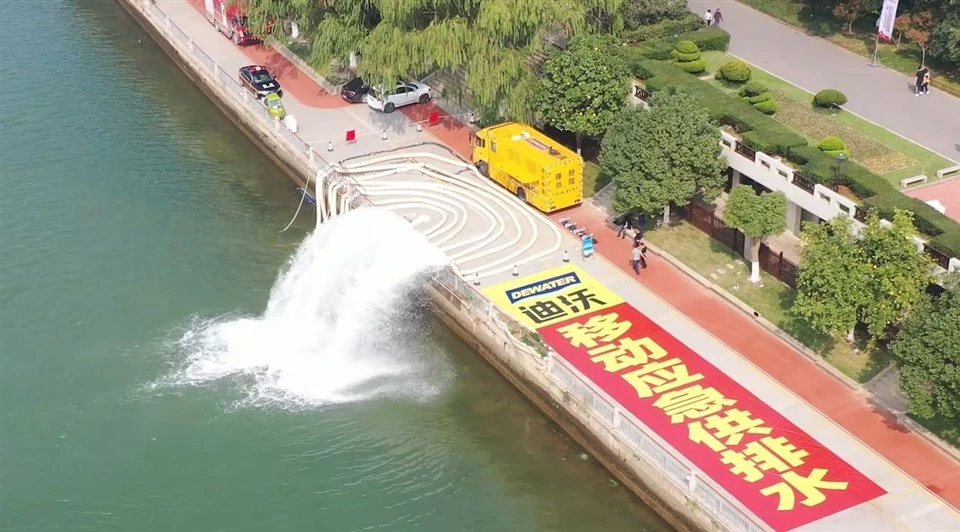
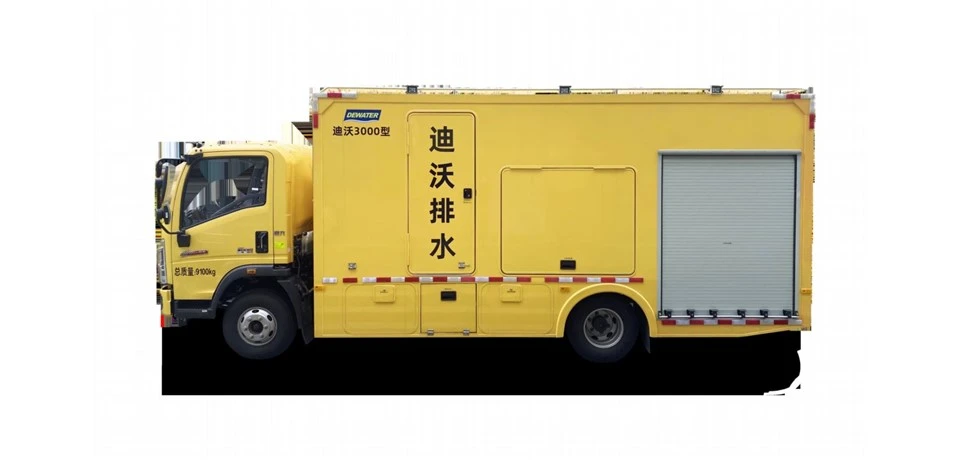
For example, our Mobile Fire Water Supply Pump Trailer can quickly provide a large volume of water for firefighting or flood - control purposes. This can be a critical asset in a rescue operation, as it allows teams to create a safer environment and access areas that may otherwise be inaccessible. Our Emergency Rescue Drainage Pump Trucks are specifically designed for rapid drainage in flood - affected areas. They can be deployed quickly and are capable of handling large volumes of water, helping to reduce the risk of drowning and property damage. Our Trailer Mounted Pumps are versatile and can be used in a variety of applications, from pumping water out of basements to supplying water to firefighting equipment.
Conclusion
In conclusion, teamwork is of utmost importance in emergency water rescue pickup. The diverse skills, communication, coordination, safety, training, and psychological support provided by a well - functioning team are essential for successful rescue operations. As a supplier of essential equipment for emergency water rescue pickup, we are committed to supporting rescue teams in their efforts. Our high - quality equipment, such as Mobile Fire Water Supply Pump Trailer, Emergency Rescue Drainage Pump Trucks, and Trailer Mounted Pumps, is designed to enhance the effectiveness of rescue teams and improve the outcomes of emergency water rescue operations.
If you are involved in emergency water rescue pickup and are interested in learning more about our products or discussing your specific needs, we encourage you to reach out to us for a procurement consultation. We are here to help you ensure that your rescue team has the best possible equipment to save lives and protect property.
References
- National Fire Protection Association. (2019). NFPA 1006: Standard for Technical Rescuer Professional Qualifications.
- International Life Saving Federation. (2020). Guidelines for Water Rescue Operations.
- Federal Emergency Management Agency. (2021). Flood Response and Recovery Guide.