


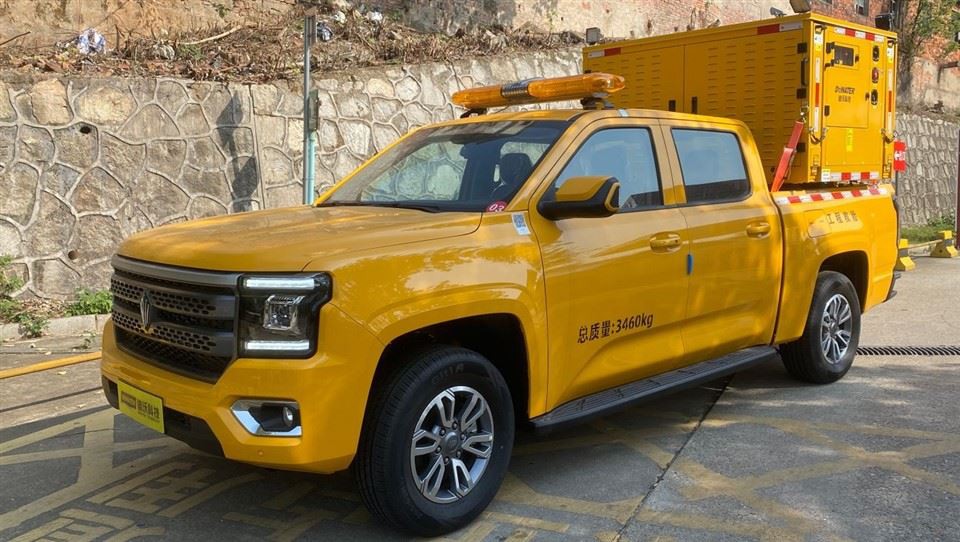
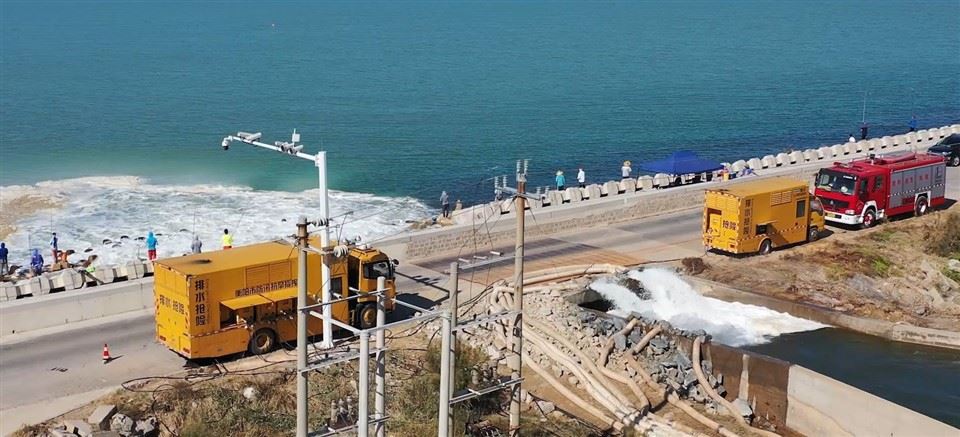
The fuel consumption of a diesel - powered dewatering pump truck is a crucial factor for many potential buyers, especially those in industries such as construction, mining, and emergency rescue. As a supplier of dewatering pump trucks, I have received numerous inquiries regarding this topic. In this blog, I will delve into the various aspects that affect the fuel consumption of these trucks and provide some insights to help you make a more informed decision.
Factors Affecting Fuel Consumption
Pump Capacity
One of the primary factors influencing the fuel consumption of a diesel - powered dewatering pump truck is the pump capacity. Larger pump capacities generally require more power to operate, which in turn leads to higher fuel consumption. For example, a pump truck with a high - volume pump designed to move large amounts of water quickly will need a more powerful diesel engine. This engine will burn more fuel to generate the necessary energy to drive the pump.
If you are dealing with large - scale dewatering projects, such as draining a large construction site or a flooded mine, a high - capacity pump truck might be necessary. However, you should be aware that the fuel costs associated with operating such a truck will be relatively high. On the other hand, for smaller projects, a pump truck with a lower capacity may be sufficient, and it will consume less fuel.
Pump Efficiency
The efficiency of the pump itself also plays a significant role in fuel consumption. A more efficient pump can move the same amount of water with less energy input. Modern dewatering pumps are designed with advanced technologies to improve their efficiency. For instance, some pumps have optimized impeller designs and better hydraulic systems that reduce energy losses.
When choosing a dewatering pump truck, it is important to consider the pump's efficiency rating. A more efficient pump will not only save you money on fuel in the long run but also reduce the environmental impact of your operations. You can look for pumps that have been tested and certified for high efficiency by relevant industry standards.
Operating Conditions
The operating conditions of the dewatering pump truck can have a substantial impact on fuel consumption. If the pump has to work against a high head (the vertical distance the water needs to be lifted), it will require more power and thus more fuel. Similarly, pumping water with a high viscosity or containing a large amount of solids can also increase the energy requirements of the pump.
In addition, the ambient temperature and altitude can affect the performance of the diesel engine. At high altitudes, the air is thinner, which can lead to reduced engine power and increased fuel consumption. In hot weather, the engine may need to work harder to maintain its operating temperature, also resulting in higher fuel usage.
Engine Technology
The type of diesel engine used in the dewatering pump truck is another important factor. Newer engines are often designed with advanced technologies such as direct injection, turbocharging, and electronic engine management systems. These technologies can improve the engine's fuel efficiency by optimizing the combustion process.
For example, a turbocharged engine can force more air into the combustion chamber, allowing for more complete combustion of the fuel. This results in better power output and lower fuel consumption compared to a non - turbocharged engine of the same size. When purchasing a dewatering pump truck, it is advisable to choose one with a modern and efficient diesel engine.
Typical Fuel Consumption Ranges
It is difficult to provide an exact figure for the fuel consumption of a diesel - powered dewatering pump truck because it depends on the factors mentioned above. However, I can give you a general idea of the typical fuel consumption ranges.
For small - to medium - sized dewatering pump trucks with a pump capacity of around 50 - 200 cubic meters per hour, the fuel consumption can range from 3 - 10 liters per hour. These trucks are often used for light - duty applications such as draining small basements or small construction sites. You can find more information about such trucks on our Light Duty Rescue Pump Trucks page.
Medium - to large - sized dewatering pump trucks with a pump capacity of 200 - 500 cubic meters per hour may consume 10 - 25 liters of fuel per hour. These trucks are suitable for medium - scale projects like draining large construction sites or small mines.
For large - scale dewatering pump trucks with a pump capacity of over 500 cubic meters per hour, the fuel consumption can be 25 liters per hour or more. These trucks are typically used in major emergency rescue operations or large - scale mining projects. You can explore our Emergency Rescue Drainage Pump Trucks for more details.
Strategies to Reduce Fuel Consumption
Proper Maintenance
Regular maintenance of the dewatering pump truck is essential for reducing fuel consumption. This includes changing the engine oil and filters at the recommended intervals, checking and adjusting the engine's valves, and ensuring that the pump is properly lubricated. A well - maintained engine and pump will operate more efficiently and consume less fuel.
Optimal Pump Selection
Choosing the right pump for the job is crucial. As mentioned earlier, using a pump with a capacity that matches the requirements of the project can significantly reduce fuel consumption. Avoid using an oversized pump for a small - scale project, as it will consume more fuel than necessary.
Smart Operation
Operators should be trained to operate the dewatering pump truck in the most fuel - efficient way. This includes starting and stopping the engine properly, avoiding unnecessary idling, and adjusting the pump speed according to the actual water flow requirements. For example, if the water level in the sump is low, reducing the pump speed can save fuel.
Conclusion
The fuel consumption of a diesel - powered dewatering pump truck is influenced by multiple factors, including pump capacity, efficiency, operating conditions, and engine technology. By understanding these factors and taking appropriate measures, you can reduce the fuel costs associated with operating these trucks.
As a supplier of dewatering pump trucks, we offer a wide range of products to meet different customer needs. Whether you need a Mobile Drainage Pump Trailer for small - scale applications or a heavy - duty emergency rescue pump truck, we have the right solution for you.
If you are interested in purchasing a dewatering pump truck or have any questions about fuel consumption and other aspects, please feel free to contact us for a detailed discussion. We are committed to providing you with high - quality products and professional advice to help you achieve your dewatering goals.
References
- Diesel Engine Technology Handbook, published by McGraw - Hill
- Pump Handbook, by Igor Karassik et al.
- Industry reports on dewatering pump truck performance and fuel consumption.